Contemporary Art in Florence
The city of the Renaissance offers, for those who are passionate about contemporary art, a series of unexpected opportunities! Let's start with the Museo Novecento, in the former Leopoldine complex in Piazza Santa Maria Novella, which houses an interesting permanent collection on the art of the 20th century, from Futurism to the present day and also exhibitions and installations of contemporary art by many important artists.
Our itinerary should also include the Marino Marini Museum, dedicated to one of the greatest sculptors of the twentieth century and located in the former Church of S. Pancrazio, the Roberto Casamonti Collection, from September 2026 in the new seat of Lungarno Serristori, and the Salvatore Ferragamo Museum, which combines fashion and contemporary art.
The most important art space of the city is based at Palazzo Strozzi, showing both exhibitions of great artists of the past and relevant artist of today.
For some years now, the municipal administration has been encouraging a dialogue between the great protagonists of contemporary art and the works of the 16th century in the city's museums, gardens and squares, for a new concept.
An exceptional location is Forte Belvedere, which has reopened its doors a few years ago and every summer presents internationally renowned contemporary sculptors, painters and photographers to the public!
We must also mention Le Murate Art District (MAD), the PARC project and the Manifattura Tabacchi, centres of artistic production and entertainment sponsored by the Municipality, where exhibitions, meetings, performances and workshops focused on contemporary artistic themes and languages are organised.
Last but not least the Sant'Orsola Space, in the San Lorenzo District, in the last years has offered very interesting resident artists's works in an ancient space which is undergoing a complete renovation.
The city also boasts a number of private galleries dedicated to contemporary art and emerging artists. In some streets, such as: Via Maggio, Piazza Goldoni and in the San Niccolò district it is possible to find more than one, but they are located all over the city and often display the works of international artists.
Explore below the places that offer us the show of contemporary art!
Comune di Firenze
The places
Stages
Museo Novecento
The Museo Novecento, on piazza Santa Maria Novella in the premises of the former Leopoldine schools, is dedicated to 20th-century Italian art, presenting a selection of works from the civic collections which focuses on Italian art of the first half of the 20th century. Of great value is the Alberto Della Ragione collection, donated to the city of Florence in the aftermath of the 1966 flood, with artworks by Giorgio De Chirico, Filippo De Pisis, Gino Severini, Giorgio Morandi, Mario Mafai, Renato Guttuso, Felice Casorati among others.
The museum is completed with the exhibition of the legacy of Ottone Rosai, donated by his widow Francesca Fei and his brother Oreste to the Municipality of Florence.
The museum hosts many temporary exhibitions dedicated to contemporary artists in its ground floor rooms.
For the exhibition by American artist Haley Mellin, the courtyard was planted with around 300 native plants, based on research into the original layout and uses of the garden.
In addition to the permanent collection, the temporary exhibitions and the programme of the Cinema and Conferences Room enrich the activity of the museum with a thematic and multidisciplinary approach. Through its art mediation department the Museum daily arranges educational activities like workshops, guided tours for families, children, teenagers, adults and special audiences.

Marino Marini Museum
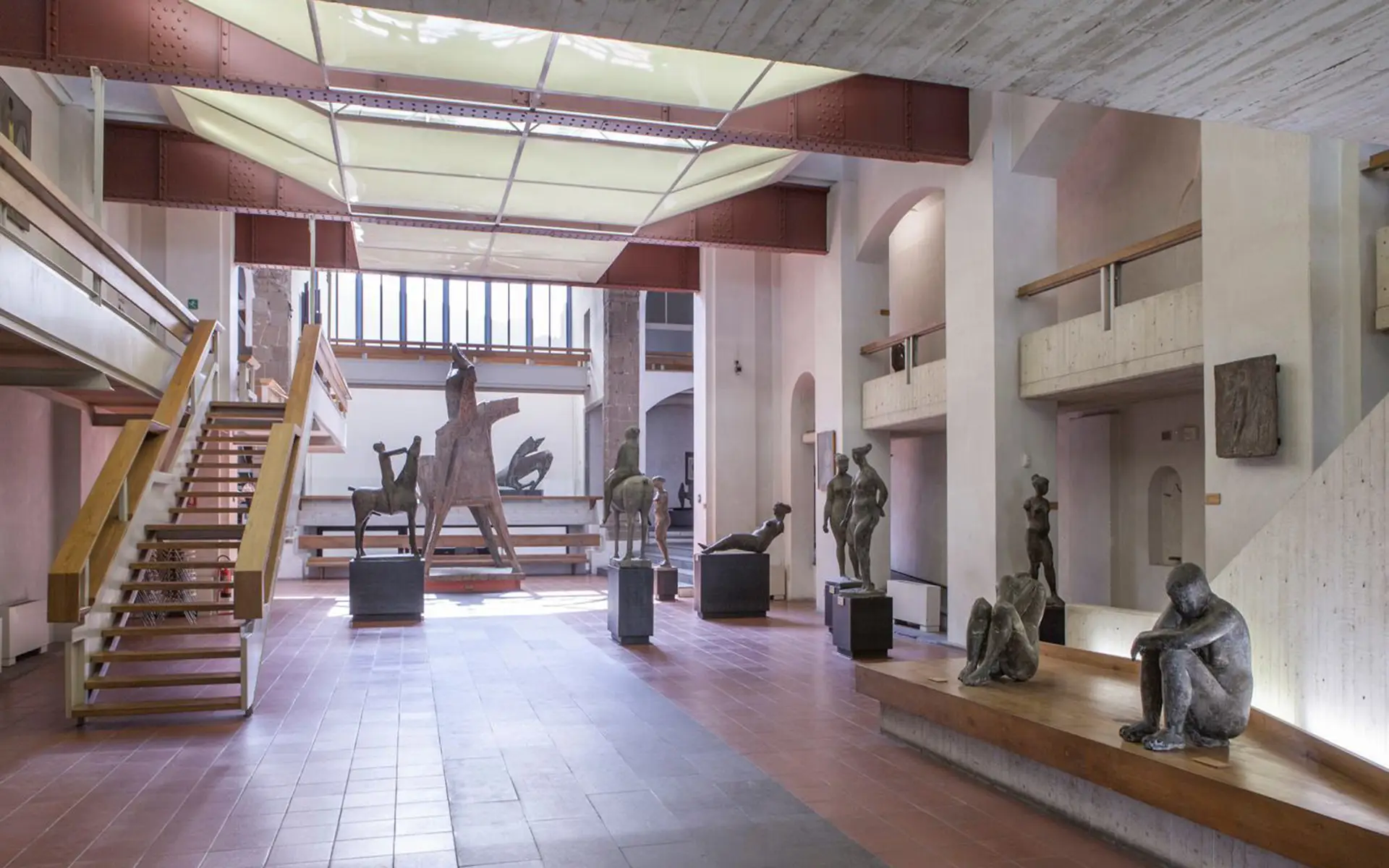
The Marino Marini Museum, dedicated to the famous 20th-century Italian sculptor, is housed in the former church of San Pancrazio, where Renaissance lines are combined with modern renovation.
It is a monographic museum that houses 184 works by sculptor Marino Marini (1901-1980), arranged according to the artist's instructions in the choice of materials and natural lighting of the rooms. The works were created between 1916 and 1977. The exhibition, spread over the different levels of the church spaces, includes bronze and concrete sculptures of very different sizes, polychrome plaster casts and canvases, portraits and drawings. Exhibitions dedicated to various 20th-century and contemporary artists are periodically held in the crypt.
The Tempietto del Santo Sepolcro (Temple of the Holy Sepulchre) by Leon Battista Alberti, a Renaissance work with precious marble inlays, rich in allegorical meanings, is also on display.
Palazzo Strozzi
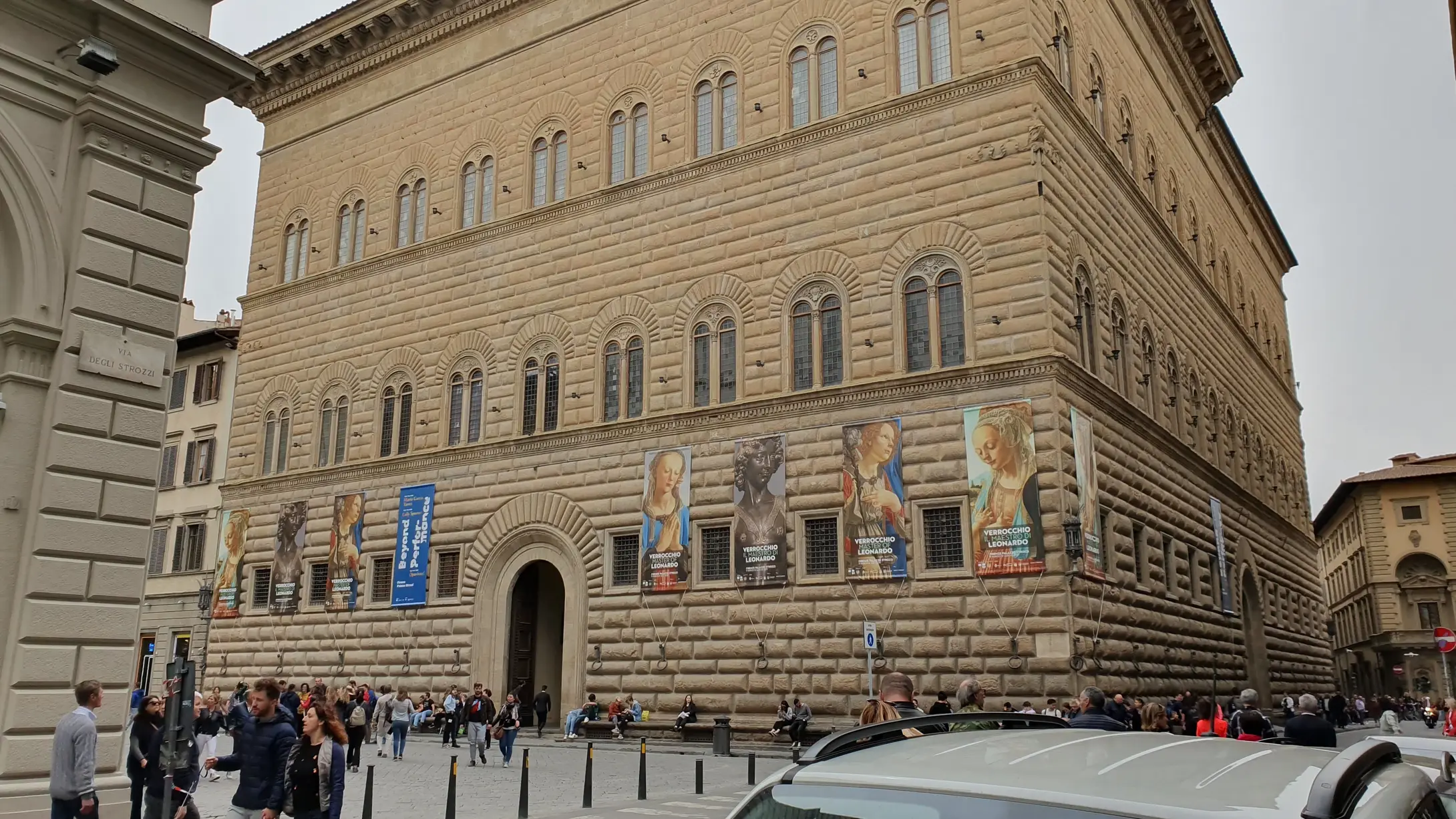
Palazzo Strozzi, with its imposing facades clad in pietra forte, is one of the most significant Renaissance palaces in Florence and a privileged venue for important art exhibitions.
One of the rooms on the ground floor houses a permanent exhibition that tells the story of Palazzo Strozzi. It was built in 1489 on behalf of Filippo Strozzi, one of the wealthiest merchants in Florence, who wanted it larger than Palazzo Medici. The construction remained unfinished when the Strozzi family, rebels against Medici rule, fell into disgrace in the 16th century.
The elegant courtyard, designed by Simone del Pollaiolo, is surrounded by arches resting on columns with Corinthian capitals; it is accessed through imposing portals that open in three directions (Via Tornabuoni, Via Strozzi, Piazza Strozzi).
The palace houses cultural institutions, including the National Institute for Renaissance Studies, but above all the Fondazione Palazzo Strozzi, the heart of cultural activity: in fact, the rooms are always the venue for important art exhibitions. In the spaces of the Centre for Contemporary Culture Strozzina, in the basement of the palace, initiatives dedicated to contemporary art take place.
Forte di Belvedere
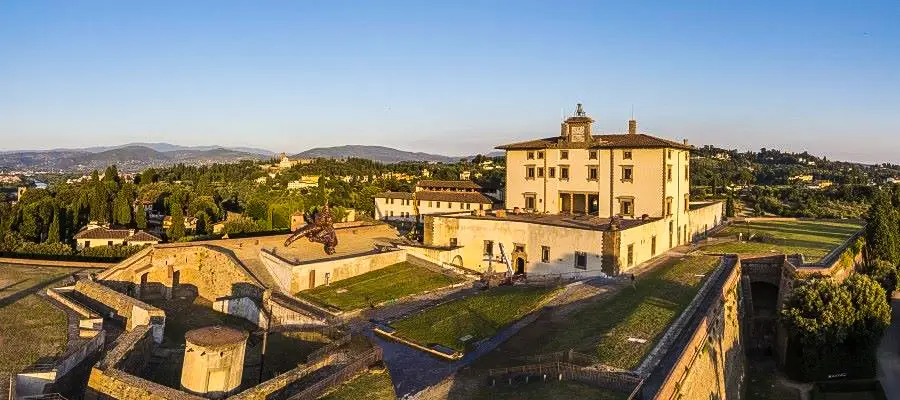
The foundation stone of the Forte di San Giorgio, better known as Forte di Belvedere, was laid in1590, whenFerdinand I wasGrand Duke, and it was built to a design by Bernardo Buontalenti.
Besidesdefending the city from a possible outside attack, a role it was never called upon to fulfil, in the event of danger from within it could be reached from Palazzo Pitti via the Boboli Gardens. Breathtaking panoramas from here!
Inside the fort is the elegant Palazzina di Belvedere, which predates the fort and was probably designed by Bartolomeo Ammanati around 1570. The Palazzina becamethe ‘strongroom’ of the Medici,whokept their treasures in the bottom of a well inside the building; anyone who tried to force the locks would trigger a trap that would impale them.
The building is elegant and in a wonderful, panoramic position, it often hosts art exhibitions.
MAD Murate Art District
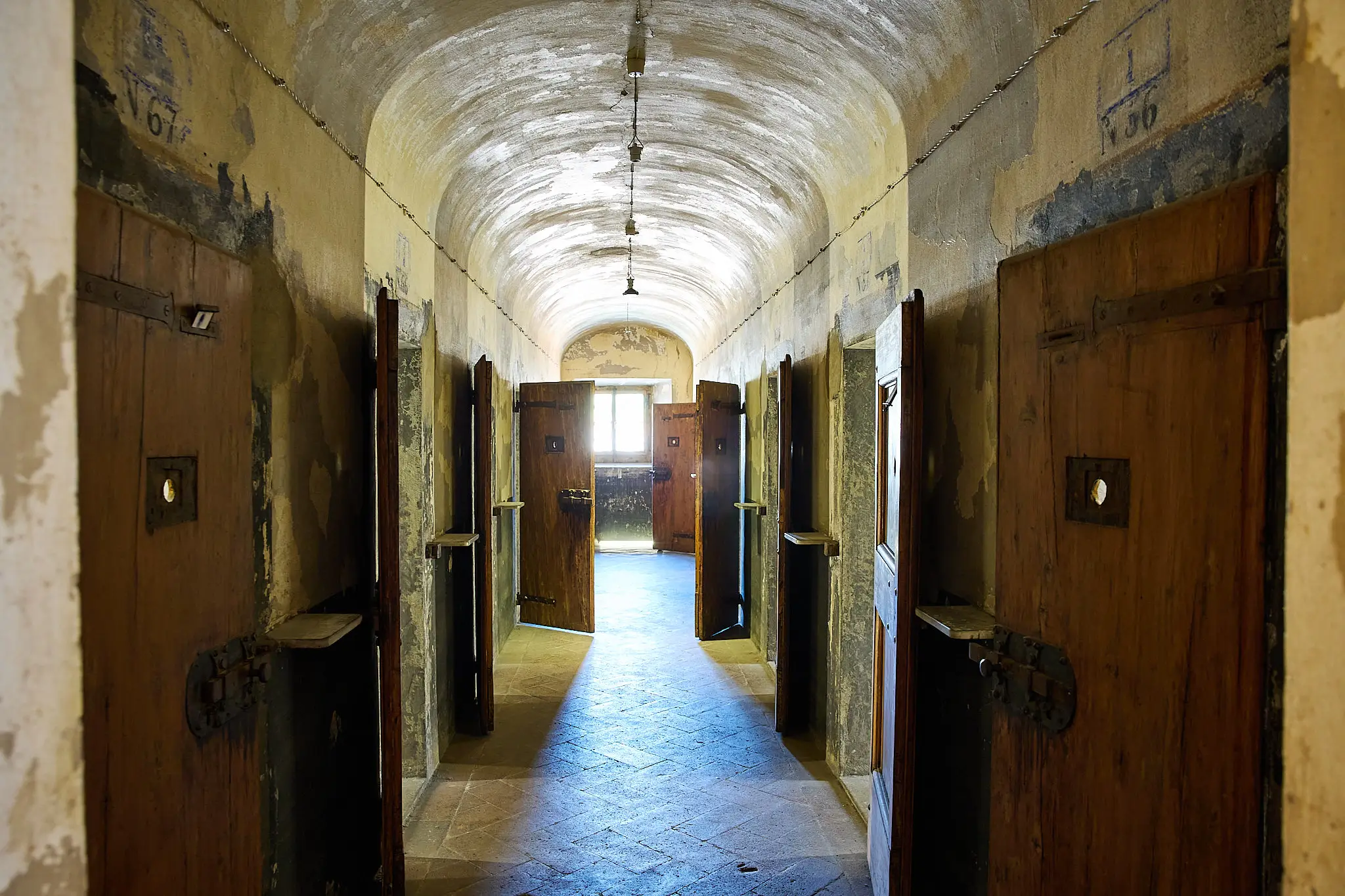
In one of the spaces of the Murate, a former prison in Florence brought to life by an urban redevelopment plan, based on a project by architect Renzo Piano, is MAD.
Mad (Murate Art District) offers exhibitions, meetings, performances and workshops centred on contemporary themes and artistic languages, with a strongly interdisciplinary slant.
There is a Magazine Space and an Artists' Residence: both offer a place for updating and training.
Guided tours and workshops for adults and families are also offered to discover the Murate complex, the history of a former convent that became a prison in the 1930s and was finally turned into a city space dedicated to contemporary arts.
The tough prison or carcere duro, the most severe detention area of the Murate prison, permanently hosts the sound installation Nuclei (Vitali) by artist Valeria Muledda.
Manifattura Tabacchi
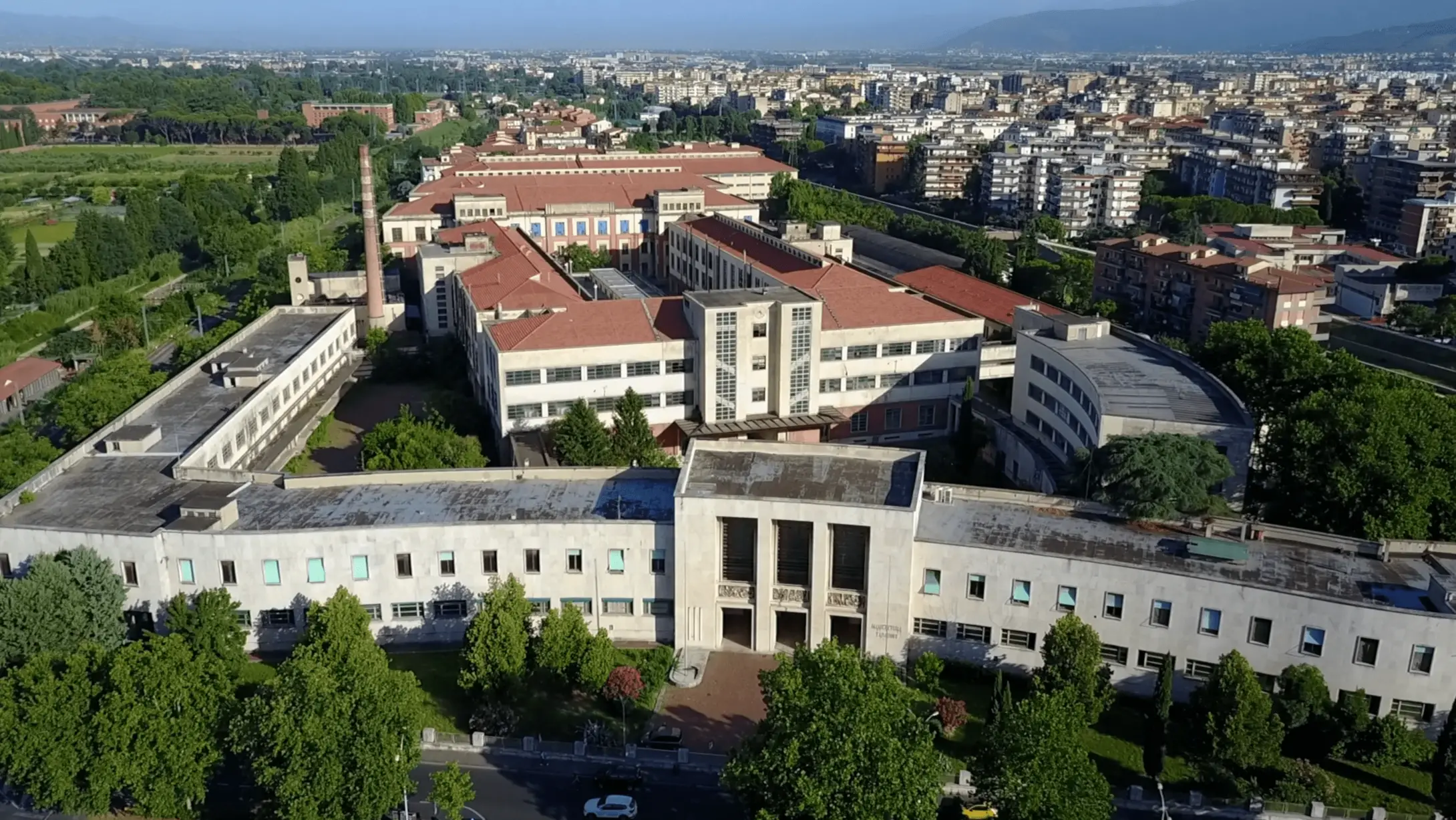
Manifattura Tabacchi is an ex-industrial area of 100,000 square metreswhich is located in the immediate vicinity of the historic centre of Florence: the complex houses 16 buildings, elegantly arranged to create a variety of squares, streets and alleyways. Constructed in the1930sby Pier Luigi Nervi, the Manifattura representsone of the most significant expressions of Italianrationalist architecture. Up until its closure in 2001, the site produced cigars and cigarettes.
The redevelopment project is based upon the restoration and conservation of the site, enhancing its unique character and historical importance. With an innovative process of urban regeneration, Manifattura Tabacchi, will actas a magnet for contemporary art, fashion, education andnew trends in craftsmanship.
Nowadays the premises house events, resident artists, crafts; the international fashion school Polimoda is there together with a lively café-restaurant. In summertime open air cinema.
Museo Ferragamo
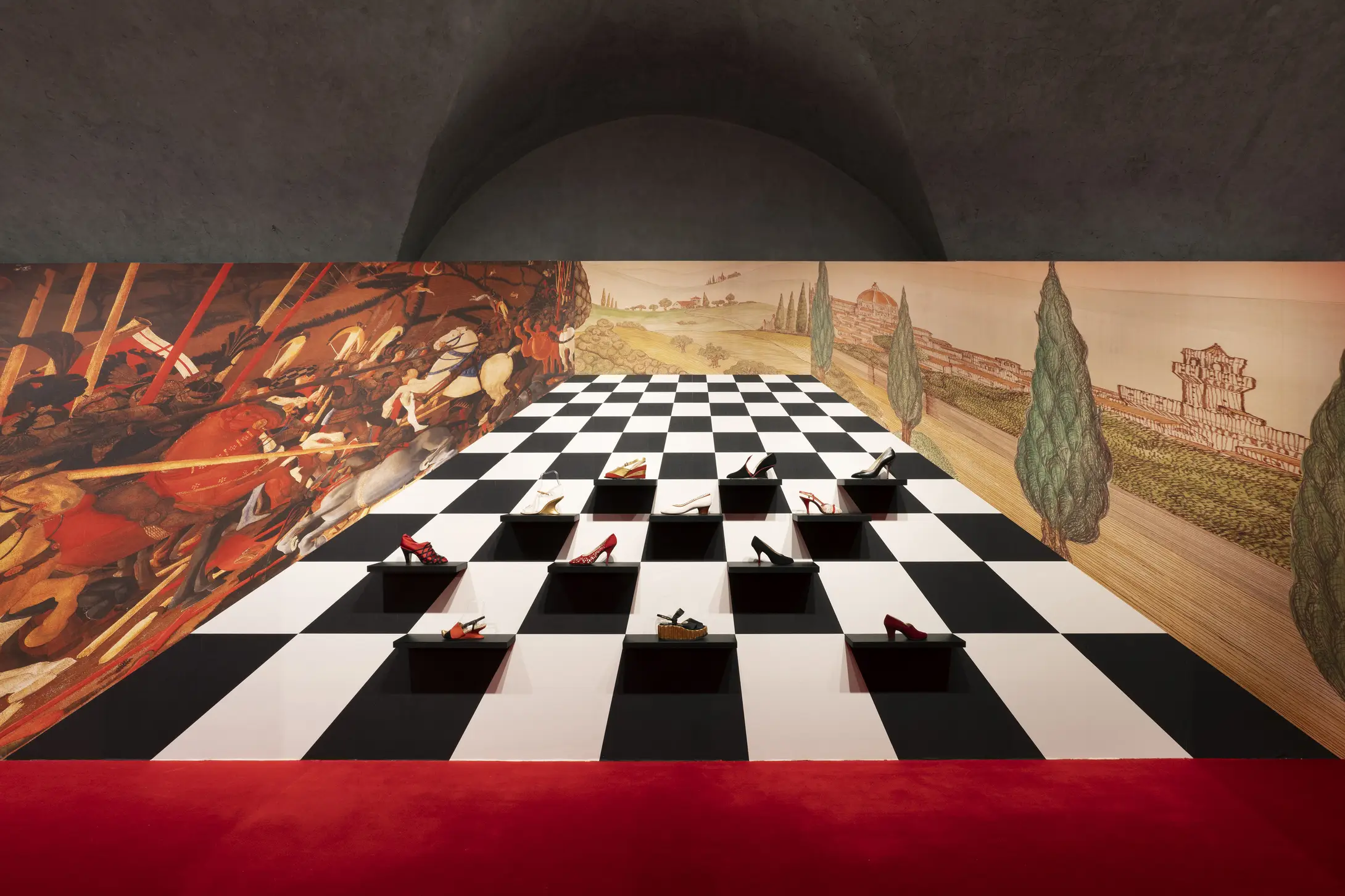
The Ferragamo Museum was established in 1995 by Ferragamo family, with the aim of introducing the artistic qualities of Salvatore Ferragamo, the founder of the eponymous company, and his innovations in the field of footwear. These innovations have positioned him as one of the major figures in 20th-century design and fashion.
Following the ever-evolving world of fashion, it was decided in 2006 to adopt the approach of changing the exhibition themes annually. Starting from the legacy of Salvatore Ferragamo, his creations, and the values he believed in, these themes aim to blend the past with contemporary elements. This involves integrating art, architecture, design, social history, philosophy, and science into the narrative of the museum.
Collezione Casamonti
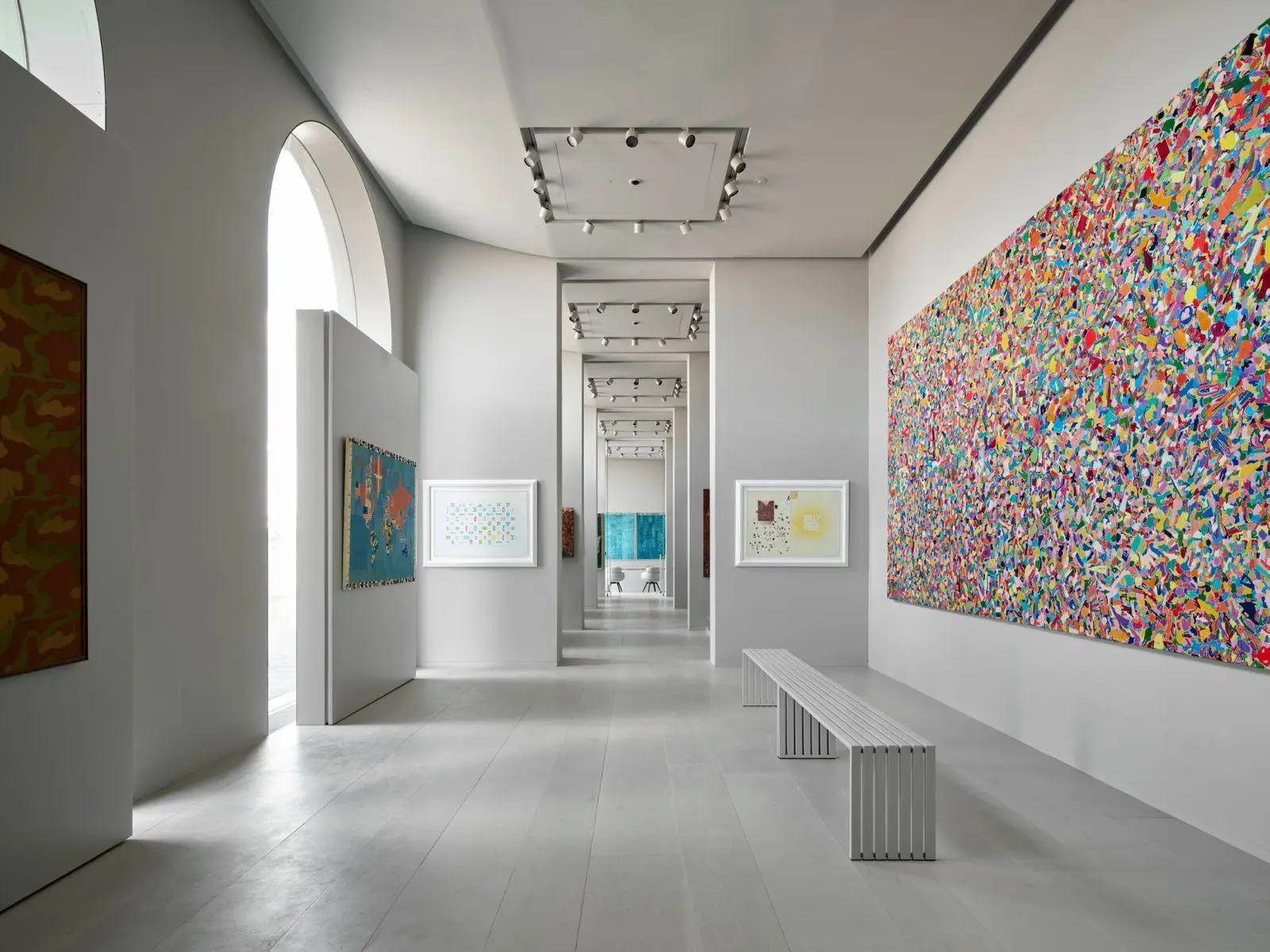
The Associazione per l’Arte e la Cultura Collezione Casamonti presents contemporary art in Florence’s historic city centre, spanning the period from the late 19th century to the present day.
Previously housed in Palazzo Bartolini Salimbeni (Piazza di Santa Trinita 1), from 28 September 2026 the collection will inaugurate its new exhibition space at Palazzo San Giorgio (Lungarno Serristori 17).
The exhibition, spread across 28 rooms on two floors of the palazzo, takes visitors on a journey through approximately 250 works of art. The artists represented include, among others, Giovanni Boldini, Giacomo Balla, Giorgio de Chirico, Pablo Picasso, Wassily Kandinsky, Salvador Dalí, Max Ernst, René Magritte, Maria Helena Vieira da Silva, Carla Accardi, Lucio Fontana, Alberto Burri, Piero Manzoni, Andy Warhol, Jean-Michel Basquiat, Keith Haring, Bill Viola, Marina Abramović, Anselm Kiefer, Anish Kapoor, and Maurizio Cattelan.
Centro per l'arte contemporanea "Luigi Pecci"
Dal 1988, il Centro Pecci organizza mostre e eventi di artisti e artiste italiane e internazionali e ha una biblioteca e un archivio dedicati alle arti contemporanee.
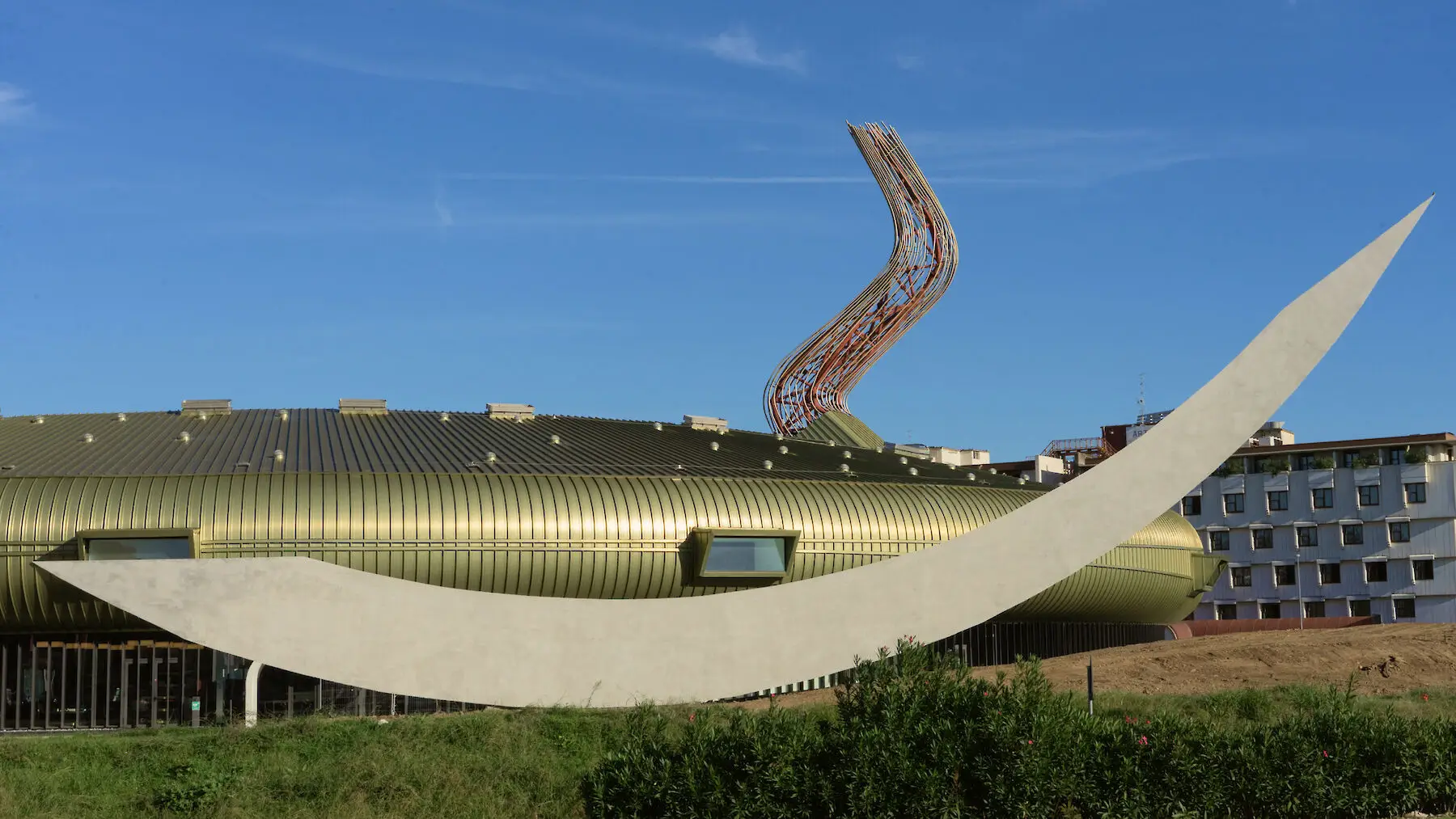
Dal 2016, il nuovo ampliamento architettonico lo ha trasformato in un’astronave con tantissime attività per il pubblico e pronta a decollare verso esperienze uniche. Su mandato della Regione Toscana, il Centro Pecci promuove e supporta le arti contemporanee in tutto il territorio.
Al Centro Pecci si visitano la collezione permanente e le mostre; si guardano film in lingua originale al cinema; si fanno laboratori di arte; si parla di libri, attualità, arte e cinema; si gioca nel playground; si mangia e si beve al ristorante MYO e a Cargo Bistrot; con le aperture notturne del museo si incontrano nuove sonorità e gestualità; si balla; si conservano e studiano le opere; si consultano libri; si studia in biblioteca; si ricerca nell’archivio; si acquistano libri e oggetti speciali al bookshop; tutte queste cose insieme per fare della propria vita un’opera d’arte.