Le ragazze di San Frediano - San Frediano Girls
"The district of Sanfrediano is on the other side of the Arno, it is that large heap of houses between the left bank of the river, the Carmine Church and the slopes of Bellosguardo; from above, similar to buttresses, Palazzo Pitti and the Medicean bastions surround it; the Arno flows there in its most relaxed bed, it finds there the sweet, ample and marvellous curve that laps the Cascine. How perfect, in a civilisation that has itself become nature, the terrible and fascinating stillness of God's smile, envelops Sanfrediano, and exalts it. But not all that shines is gold. Sanfrediano, by contrast, is the city's most unhealthy quarter; in the heart of its streets, populated like anthills, are the Central Garbage Depot, the Public Dormitory, the Barracks. Much of its fondaci are home to rag-pickers, and those who cook cattle entrails for trade, along with the broth they make from them. And that it is tasty, however, the people of San Frediano despise it but they eat it, they buy it by the flaskful."
This is how Vasco Pratolini (a Florentine author) begins one of his most famous novels and representative of a part of post-war Florence, Le ragazze di San Frediano. The neighbourhood, despite being poor and humble, has always concentrated aspects and traits typical of Florentine life, the strength of mind and spirit of its inhabitants, industriousness, courage and exuberance.
Since ancient times, San Frediano, a popular and densely populated district, has encompassed economic handicraft activities that have defined the vocation of the city and its citizens to work masterfully in the field of applied arts and art. A boundless number of workshops and handicrafts were born and have been handed down from generation to generation in one of the neighbourhoods that have best represented Florence in the collective imagination, including abroad. Due to the existence and importance also of the city's first factories, the San Frediano district became an incubator of those socialist and anarchist ideas that were the foundation and the reason why the Oltrarno played a central role in the Resistance and anti-fascism.
A monument in Piazza Tasso commemorates the massacre perpetrated on 17 July 1944 by republican soldiers against the population; five people died, including an eight-year-old boy, Ivo Poli.
We propose an itinerary that highlights female entrepreneurship and is emblematic of the strong personality of San Frediano women, just like the famous 'girls of San Frediano'.
This itinerary is part of the European project Crafts Code.
Artex
The places
Stages
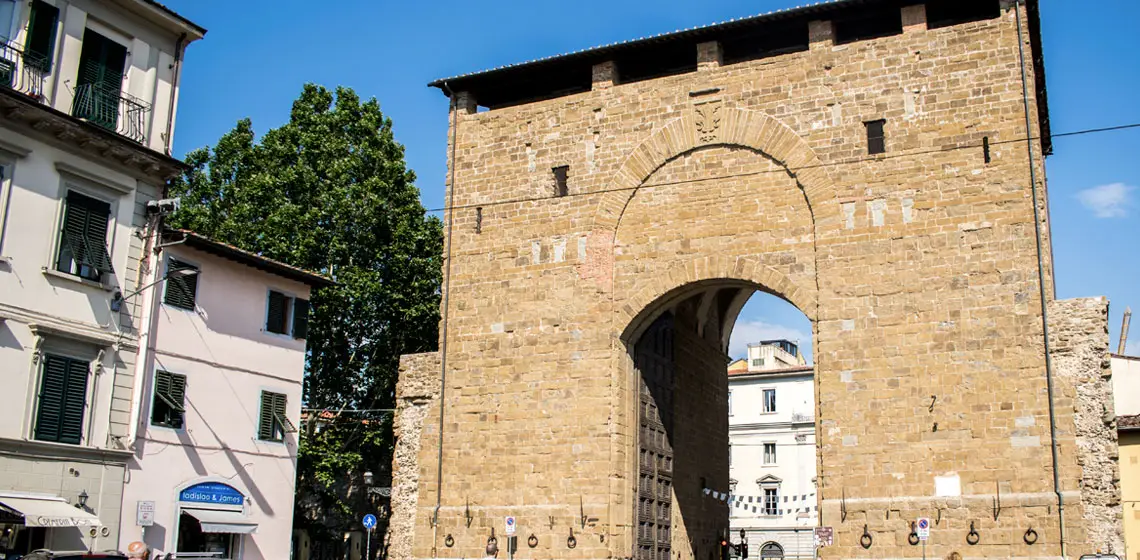
Porta San Frediano
Of all the gates in Florence's city walls, Porta San Frediano, founded in 1333 probably to a design by Andrea Pisano, is the largest and most imposing.
Scapitozzata (i.e. lowered) in the 16th century, it was covered by a gabled roof covered with tiles. The most interesting thing about it is the gate, composed of three different openings, the largest in the city and original to the period. Twelve metres high, it is entirely covered with nails to make it sturdier.
Torrino di Verzaia
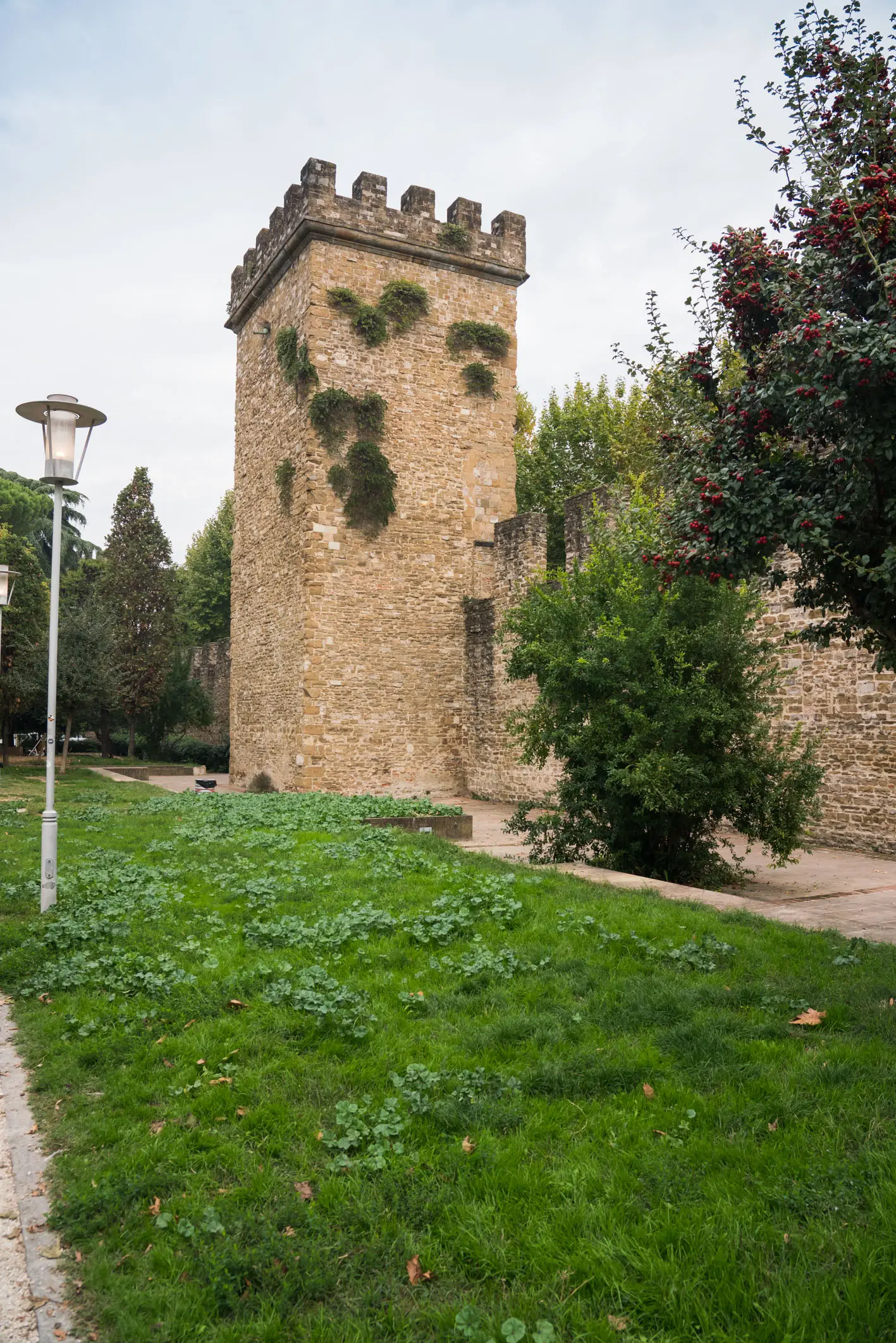
The city walls of Florence, of which only a few sections remain, were organised as follows:
gates joined by walls, alternating with towers. The distance between the towers was 200 Florentine fathoms (about 100 metres).
The towers had both an aesthetic and security function. After the Porta San Frediano, proceeding towards the Arno, we find the towers of Verzaia and S. Rosa.
Torrino di santa Rosa
The city walls of Florence, of which only a few sections remain, were organised as follows:
Gates joined by walls, alternating with towers. The distance between the towers was 200 Florentine fathoms (about 100 metres).
The towers had both an aesthetic and security function. After the Porta San Frediano, proceeding towards the Arno, we find the tower of Verzaia and the tower of S. Rosa.
Chiesa di Santa Maria del Carmine
The church of Santa Maria del Carmine leans imposingly with a rough façade in stone and brick in the homonymous piazza del Carmine.
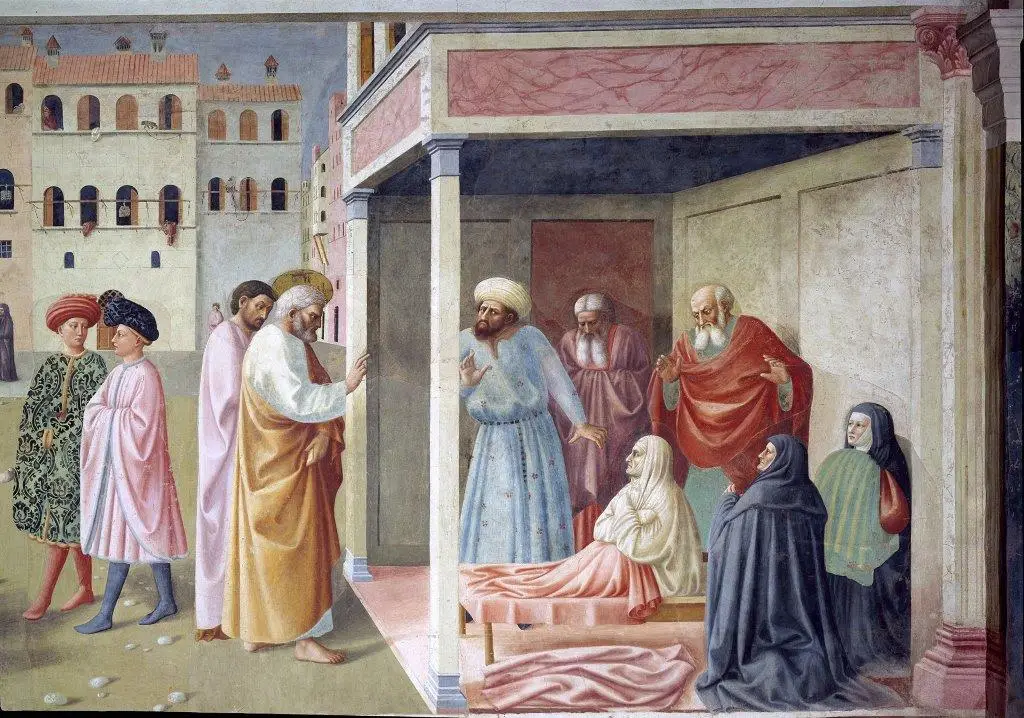
The church was founded in 1268 and finished in 1476. It houses the worldwide famous Cappella Brancacci, painted with spectacular fescoes, in early Reanaissance style, by Masaccio and his master Masolino (completed by Filippino Lippi). The church was renewed internally, after the dramatic fire in 1771, following a project by Giuseppe Ruggieri. The interior is a Latin cross and characterized by a single nave and five altars on each side, decorated with eighteenth-century style stuccos. In the transept a masterpiece of the Florentine Baroque, the Corsini Chapel. Admirable for the unity of the whole due to the greatest artists operating in Florence in the second half of the seventeenth century (Giovanni Battista Foggini, Luca Giordano).

Brancacci Chapel
The frescoes in the Brancacci Chapel (Santa Maria del Carmine) are to be considered - especially thanks to the extraordinary artistic revolution introduced by Masaccio - among the highest expressions of the Renaissance painting.
The decoration of this chapel, built before 1386 in the right arm of the church transept, was begun around 1423 by Masolino and Masaccio with frescoes depicting episodes from the Life of St. Peter, and completed around 1485 by Filippino Lippi.
In the frescoes, the differences between the three authors are clear: Masolino's figures, elegant and still linked to late Gothic culture, contrast with the solidity, the profound humanity of the characters, and the rigorous perspective of the scenes frescoed by Masaccio; while Filippino Lippi, who is mainly responsible for the right wall, adapts figures and architectural elements to the severity of Masaccio's frescoes.
In the mid 15th century, the chapel was dedicated to the Madonna del Popolo and the altarpiece depicting the Madonna and Child, by an anonymous 13th century Florentine painter, was placed there.
Frau Leman
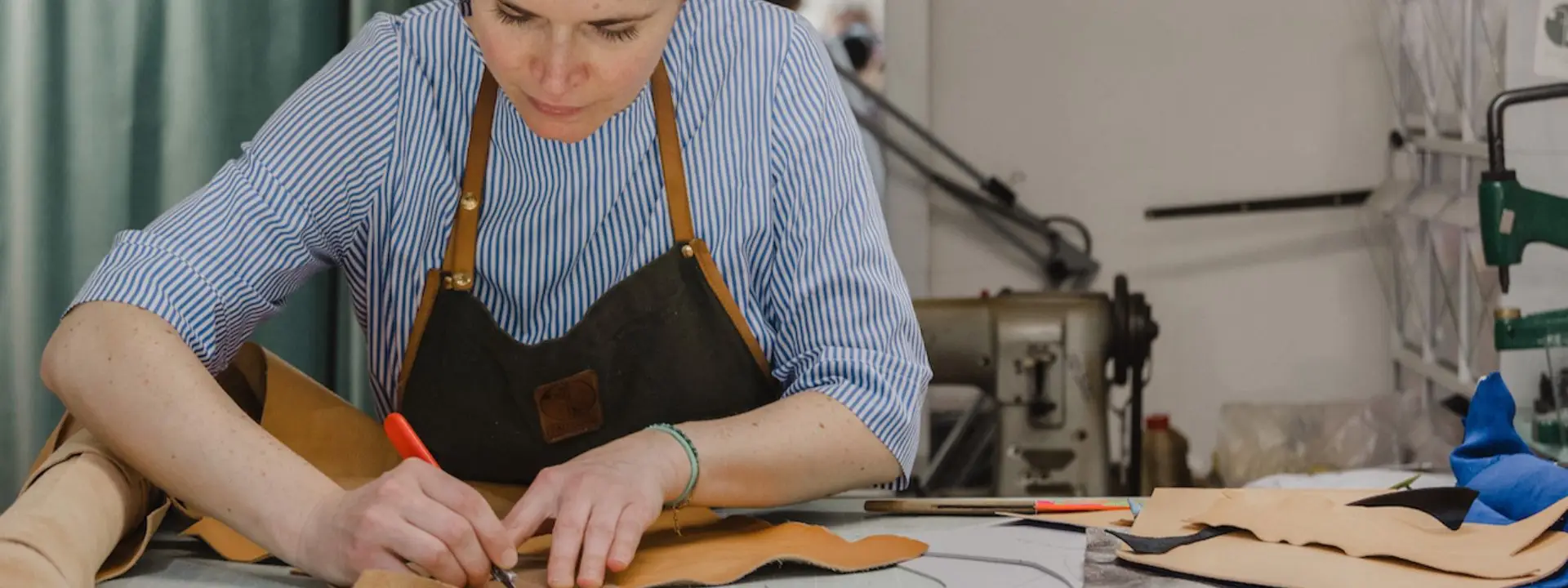
Founded in 2019, the Frau Leman workshop offers you leather creations such as bags, wallets and belts. With eight years of experience, including three years in a repair and restoration workshop, the artisan Stephanie makes the article of your dreams with you.
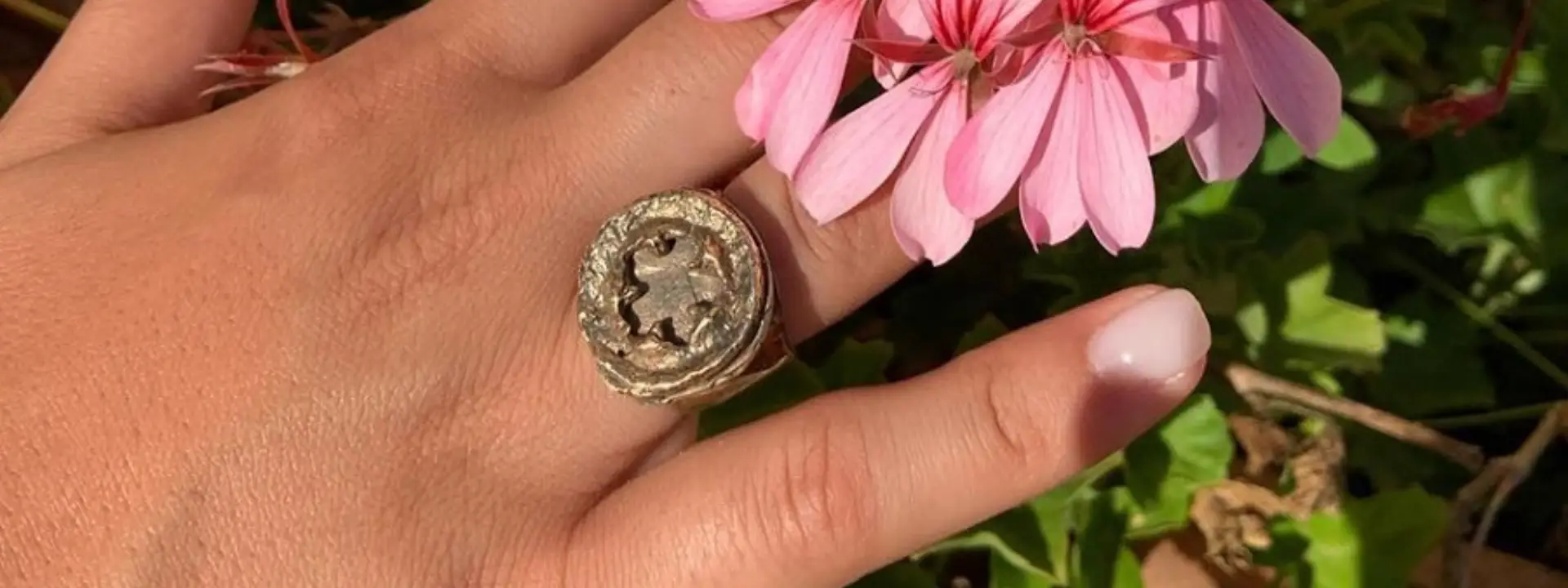
Ginevra Gemmi
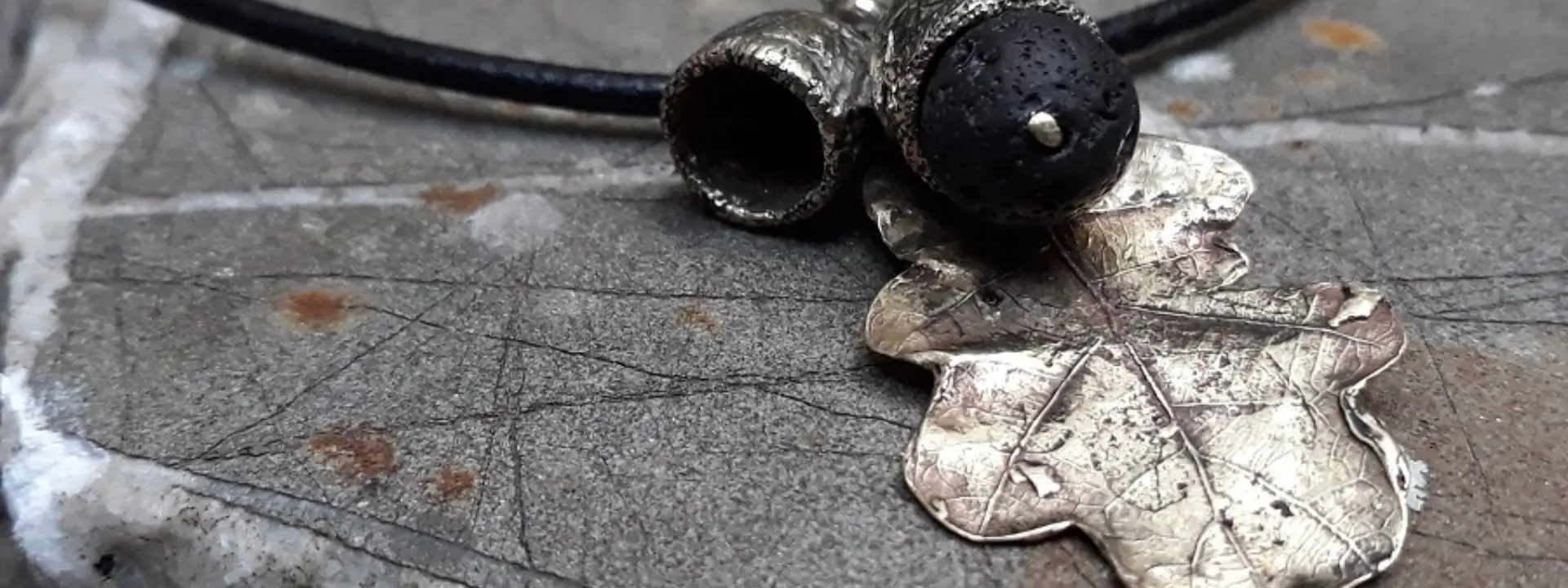
Textural and sculptural jewellery, born from the research of organic surfaces, analysing their textures and structures in the multiple combinations of biochemical and environmental textures.
The use of brass, bronze and rough stones gives the jewellery an aspect of living matter, sometimes imperfect, making it unique and never the same over time
Torrigiani Garden
It Is the second biggest garden (after Boboli Gardens) inside the city walls and it is a perfect sample of an English-style garden from an aesthetic and philosophical point of view. In 1813 Pietro Torrigiani, Mason, entrusted the development of the garden to Luigi de Cambrai Digny who also belonged to the Masonic lodge "Napoleone".The garden was supposed to have an itinerary in a Masonic-symbolic key, with symbols that had to remain mysterious and hardly decipherable: statues of the Sphinx and Osiris, little Arcadia temple , the small tower and other numerous architectures. Cambrai Digny worked at it for only one year.
In 1819 the architect Gaetano Baccani built the neo-Gothic small tower, the false merlons of the Medici bastion, the gymnasium, the aviary, and other games. Also in 1813 Antonio Pucci published the inventory, that contains the names of 13.000 plants in the soil and 5.500 in pott.

Cenacolo della Calza
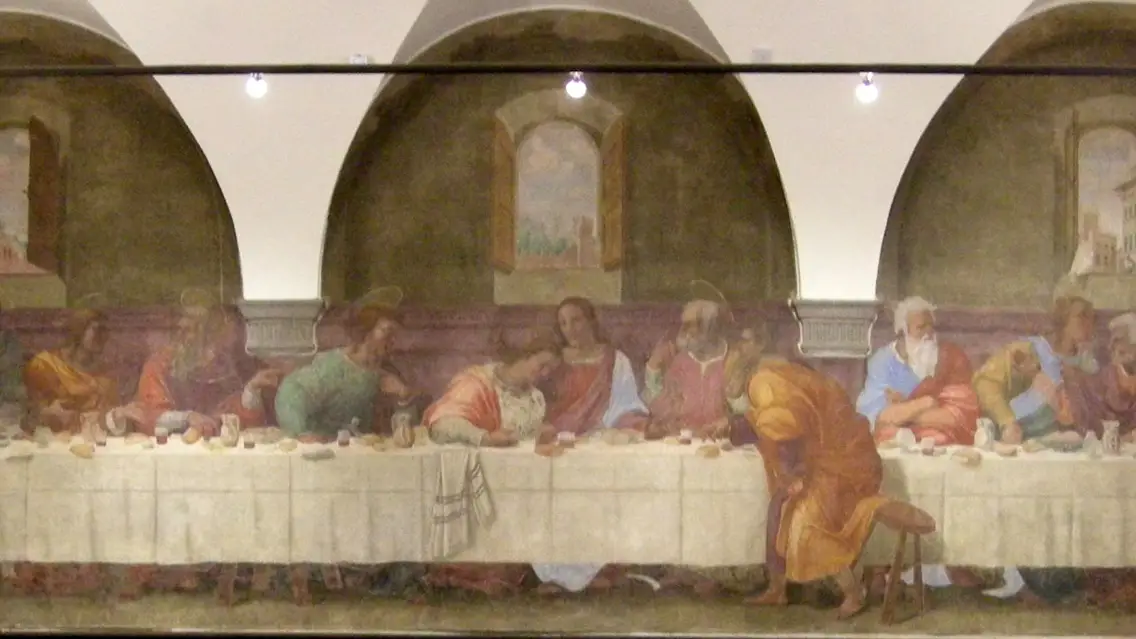
The convent, where Franciabigio frescoed the entire end wall with the Last Supper in 1514, was known as S. Giovanni alla Porta di San Pier Gattolino. Its current name derives from the hood of the mantle worn by the Ingesuati monks.
The convent is closed for the moment.
Museo di Storia Naturale dell'Università di Firenze - Zoology - La Specola
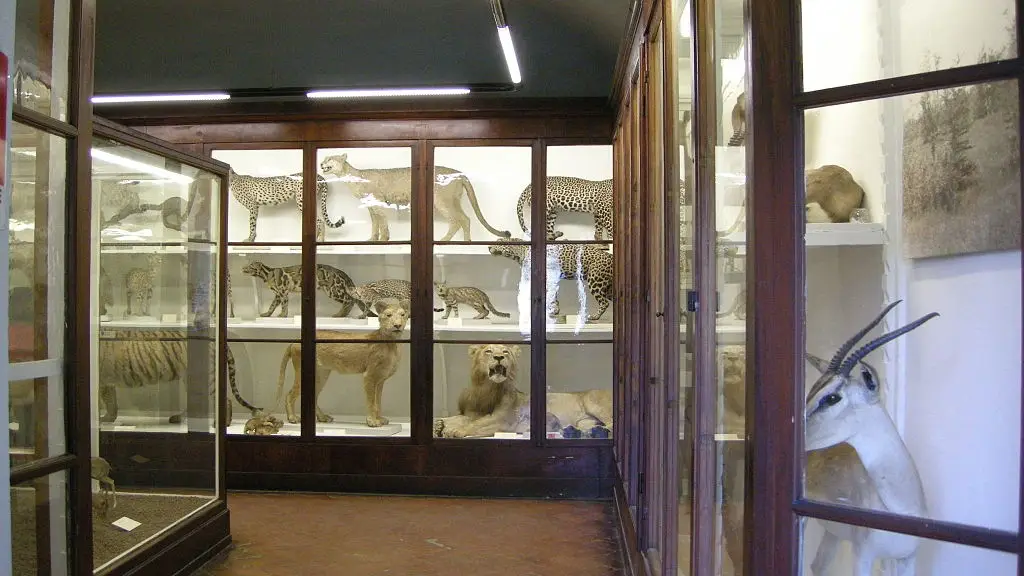
La Specola Museum, which is part of the Natural History Museum of the University of Florence, is the oldest scientific museum open to the public: it will celebrate its 250th anniversary in 2025!
The Museum's collections are directly descended from the Medici collections, which did not only cover art but also exhibits of naturalistic interest and mirabilia. The Specola takes its name from the astronomical observatory established here by Grand Duke Peter Leopold of Lorraine in the in the observation tower (specola).
Among the museum halls that can be visited by appointment is the Tribuna di Galileo, dating back to 1841, decorated with frescoes and marbles illustrating Italian scientific discoveriesfrom the Renaissance to Alessandro Volta.
The museum is unique because of its collections: an extraordinary zoological collection that offers an almost complete view of existing animals, as well as extinct ones; the anatomical wax halls made in the museum's workshop in the 18th-19th centuries include the works of Gaetano Zumbo and Clemente Susini; and the Hall of Skeletons, an evocative space dedicated to vertebrates large and small. These exhibitions are complemented by two new visit routes - Botanical Waxes and Mineralogy.
A science-themed museum that boasts an extraordinary wealth of interest, both for adults and children, for the zoology section and for the minerals, some of them large, from all over the world. Please, check the museum's website for guided tours and activities for families with children.
Anna Ermini
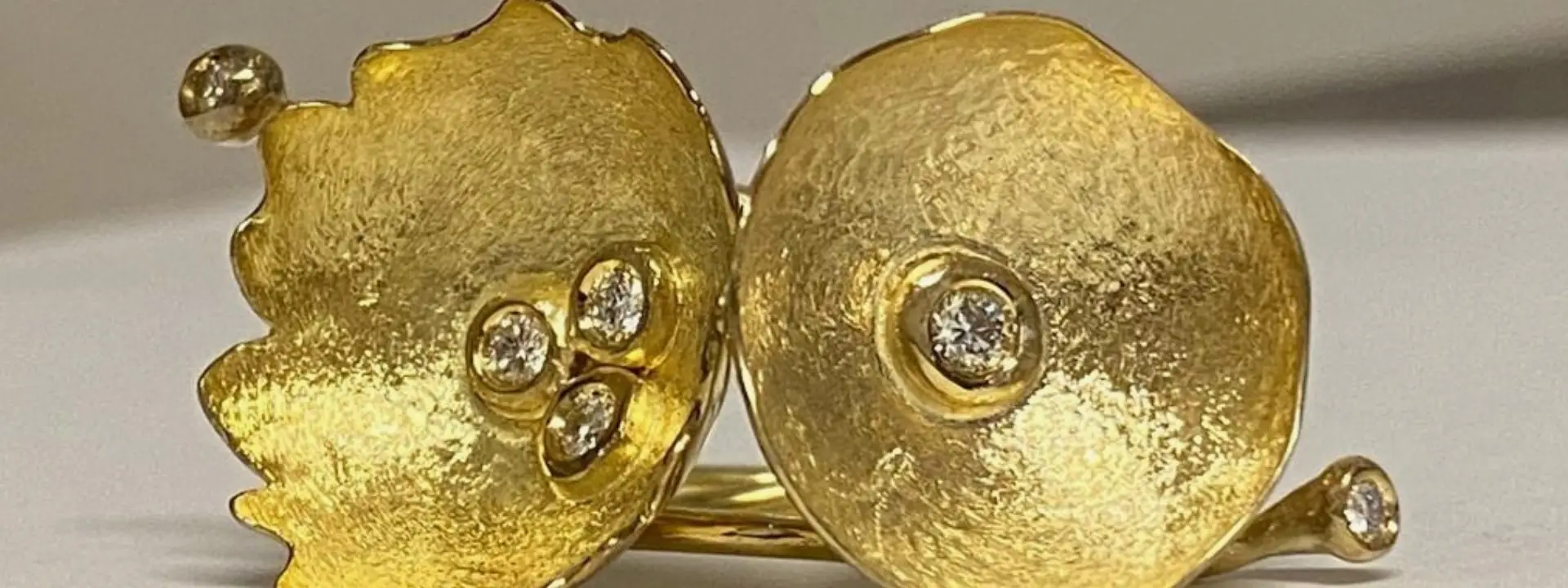
After years of experience with big brands, a collection of unique jewellery is born from the desire to express one's creativity.
In each creation we find the union of ancient and modern techniques using precious stones and metals.
In the workshop, customised jewellery is made at the customer's request.
Giuggiù di Angela Caputi
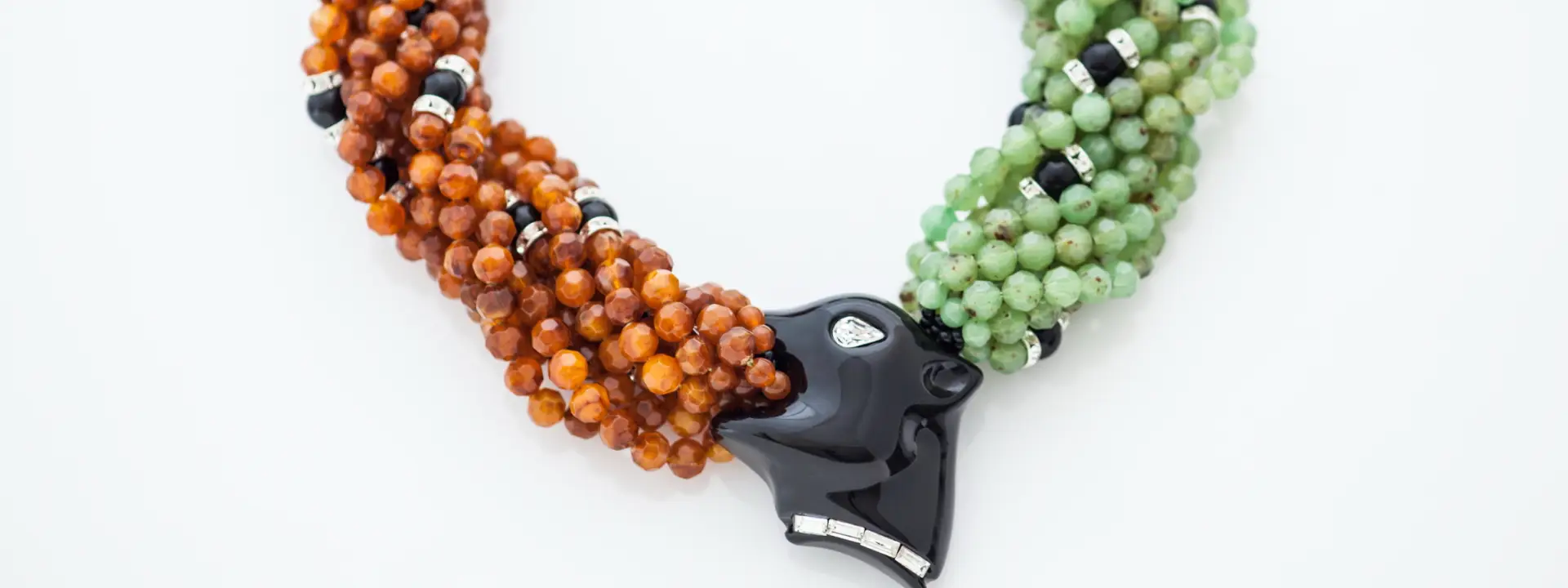
Between fashion and art lie Angela Caputi's precious bijoux. These creations, handmade according to traditional Florentine techniques, are characterised as an expression of true 'Made in Italy'.
Its style, in its dimensions and geometries, even in the 'simplicity' of the plastic and synthetic materials it is made of: its preciousness and uniqueness lies in the fine workmanship and in the refined, whimsical design.
Nokike
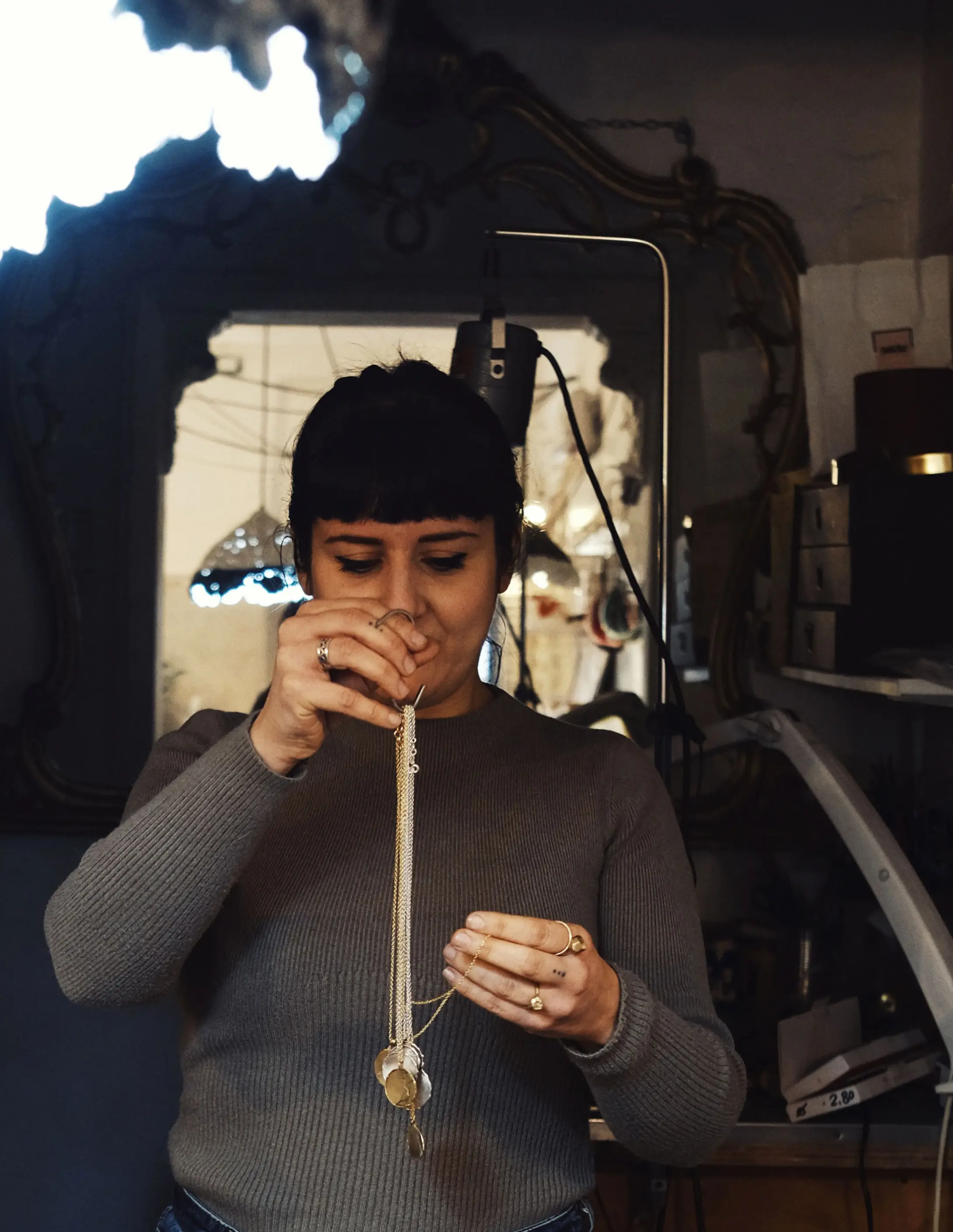
Nokike is Herika Signorino’s handmade jewellery brand, born as a pure expression of creativity. In her workshop-cum-boutique in the heart of Florence, metal is transformed into unique, contemporary forms. Clean lines, vibrant textures and organic details celebrate imperfection as a hallmark of the brand.
Each piece is unique, designed for those who love unpretentious authenticity and the irreplaceable charm of true craftsmanship.
Marina Calamai- Artist and Jewelry Designer
Marina Calamai is a Florentine artist and designer.
Inspired by nature and with the aim of creating works of art that awaken the five senses, she also uses her humour and irony to transform everyday objects into something unique, playful yet emotionally impactful, true works of art.
Marina's creativity finds a home in her multi-sensory workshop in Via Santo Spirito, where all her multimedia artistry comes together in a unique harmony.
Her works range from jewellery and furniture design to artworks and art installations dedicated to nature.