An itinerary along the Houses of Memory
The National Association Houses of Memory brings together the homes (now museum houses) where illustrious figures from every field of knowledge, art, literature, science and history once lived
Preserved in their original state wherever possible, or entrusted to the care of scholars and experts specialising in the figure in question and the art associated with them, these are places where one can still sense the atmosphere, the way of life and the encounters of the past. Here, one can admire objects, books and artworks that were once cherished by those figures.
When to visit
A couple of times a year, during the National and International Days of the Houses of Memory, everyone is invited to explore the most private spaces of artists, musicians, intellectuals and collectors on a fascinating journey. Many of these places, being museums, do, however, have fixed and scheduled opening times.
Where are they
Within the Florence area, corresponding to the district of the same name, there are many house museums: most are in the city, in historic buildings or beautiful villas on the hills, but also in the towns and villages of the surrounding area. Each house is a reason to go on an excursion to discover a territory rich in history.
We can ‘pay a visit’ to Giovanni Spadolini, Galileo Galilei, Michelangelo Buonarroti, Elizabeth Barrett Browning, Enrico Caruso, Gino Bartali, Piero Bargellini, Sir Acton, Franco and Lidia Luciani or Giovanni Michelucci
Follow our itinerary
Ambito Firenze e Area Fiorentina
Los lugares
Etapas
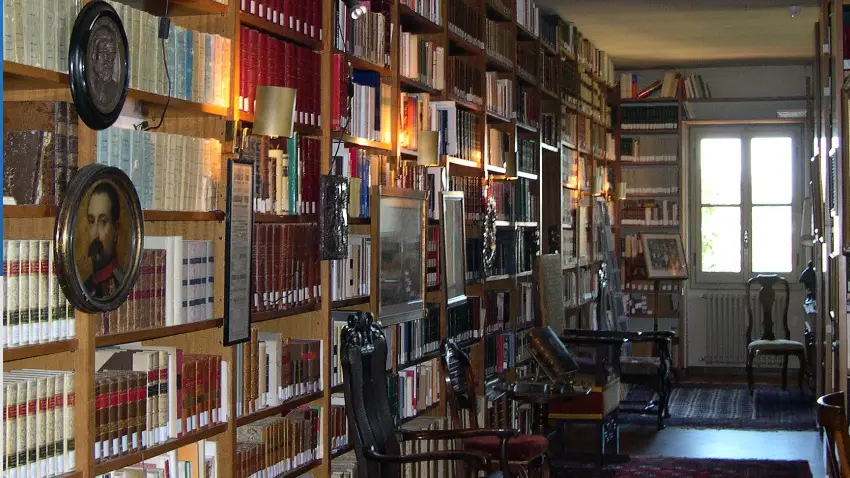
The Spadolini Nuova Antologia Foundation
The Spadolini Nuova Antologia Foundation, established by Giovanni Spadolini in 1980 by decree of the President of the Republic, Sandro Pertini, is based in Florence, on the hill of Pian dei Giullari, above Piazzale Michelangelo: in accordance with its statutes, it makes available to scholars the vast cultural heritage and library that the statesman bequeathed to it upon his death in 1994.
Better known as the “House of Books” or “The Circle of Cypresses”, the villa – built in the 1960s – overlooks Florence’s most famous monuments and houses a rich cultural heritage: a prestigious library containing antique volumes, collections of Napoleonic and Risorgimento memorabilia, as well as works by Tuscan artists such as Guido Spadolini, Ottone Rosai and Ardengo Soffici, alongside masters from the rest of Italy, such as Giorgio Morandi and Nino Caffé.
Casa Guidi
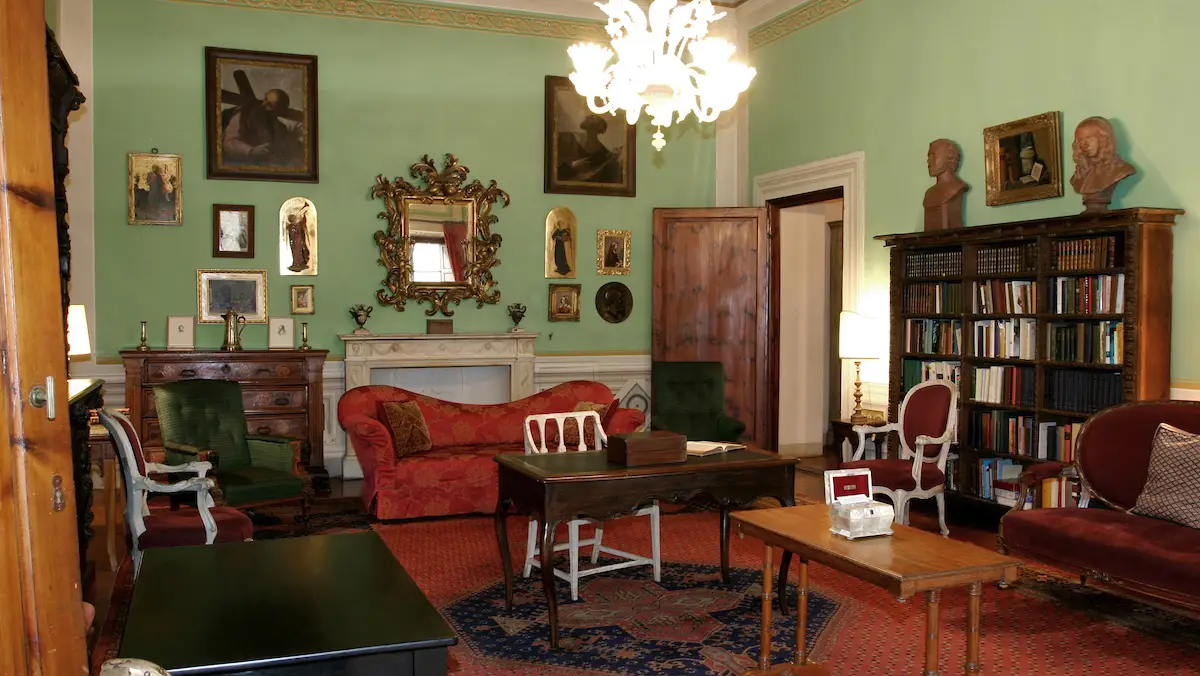
Robert Browning and Elizabeth Barrett arrived in Florence in 1847, when Elizabeth was already a well-established poetess. They lived in the city for fourteen years until her death in 1861, making friends with many well-known Italians.
Elizabeth came up with the name of ‘Casa Guidi’ to give an idea of a family home, and except for a few more elegant items, the paintings and furniture were bought from second-hand shops. Overall the apartment has retained its former appearance.
Garden of Villa La Pietra
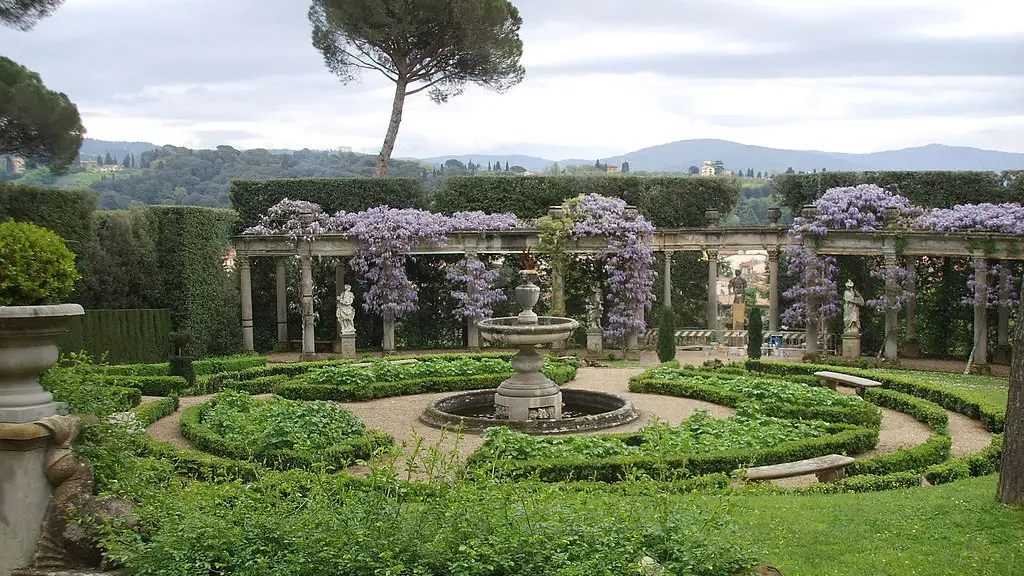
Villa La Pietra boasts a unique garden.
The former baroque gardenbelonging to the Capponi family was transformed into an English style garden in the 19th century. The designer intended the garden to create a sense of continuity between the interior and exterior of the villa.
The actual garden, whose owner was Arthur Acton, was realized starting from 1904 by great gardeners: Ambroziewicz, Bonaiuti, Castellucci, Dodge and Watson. It is a terraced system, typical of the Tuscan garden, with "stanze di verzura" ("green rooms"), typical of the baroque tradition, inside of which we can find architecture and statues coming from Veneto.
It was in this villa and garden that Sir Harold Acton, a writer, intellectual and aesthete, spent his life.
Villa Pozzolini in Bivigliano
The building is named after the last owner, Luigi Pozzolini, who bought it in 1859 at an auction of properties of the Ginori family.
The construction of the villa dates back to the 16th century, possibly to a design by Bernardo Buontalenti; it is surrounded by a wonderful formal garden and by a 12-hectare park, formerly used as a hunting reserve.
Gesualda Malenchini Pozzolini, who was Luigi's wife, funded in her villa a rural school for the children of the peasants. It was the very first example of popular education in unitarian Italy
The villa is currently used as a location for events and weddings.
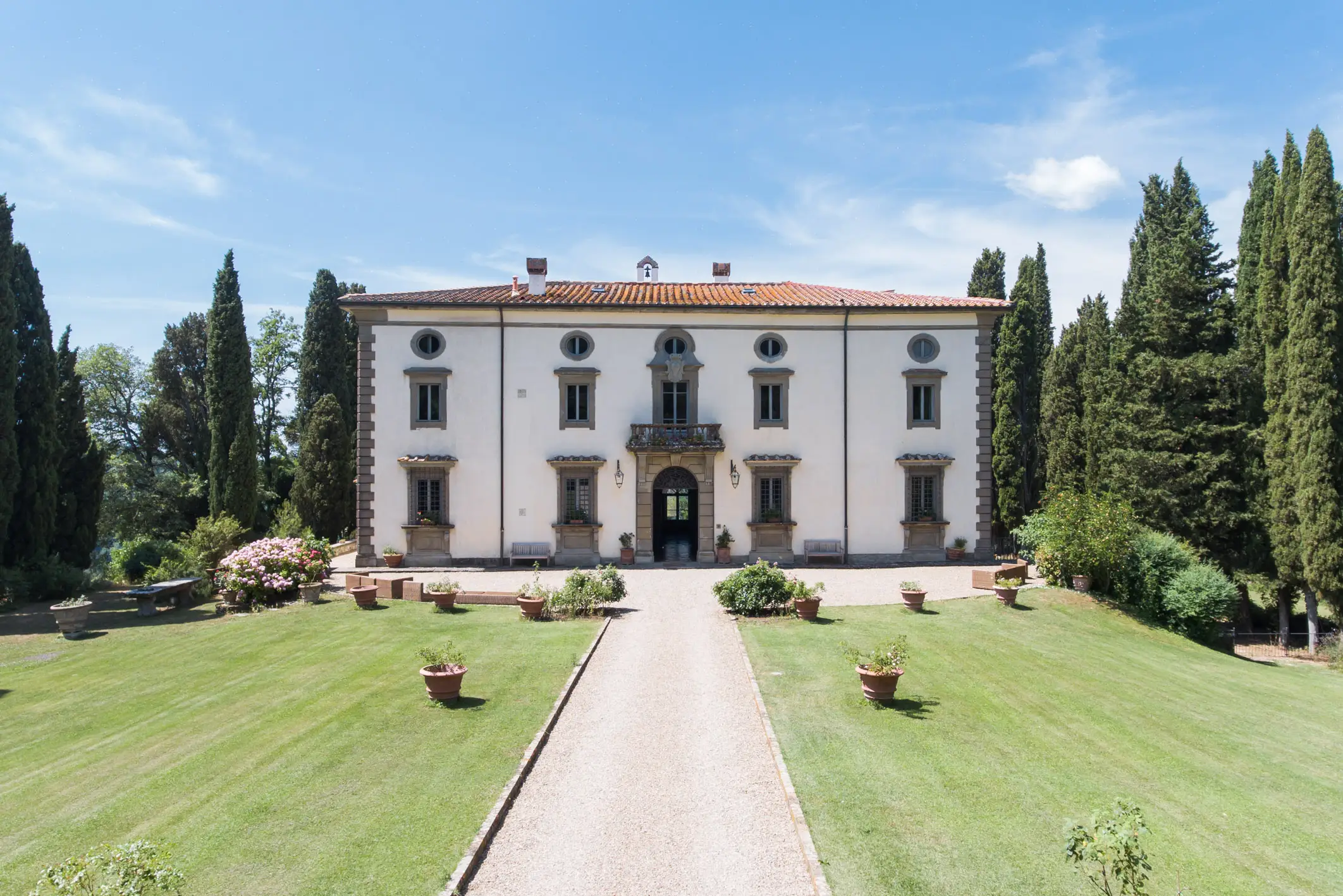
Casa Studio Piero Bargellini
Piero Bargellini (1897-1980) is, in the memory of all Florentines, the mayor of Florence who had to face the terrible tragedy of the 1966 flood. But not only that, from 1051 to 1956 he had been the Councillor for Fine Arts for the Municipality of Florence and, later, he also was a member of Parliament during two legislatures.
A prolific writer, passionate about the history of his city, during his long career he published more than 60 books.
His studio in the very centre of Florence was a meeting place for artists and writers, cinema and showbusiness personalities and intellectuals.
In the 16th century palazzo Da Cepparello, bought by Bargellini in 1946, you can visit the Studio, as it had been preserved and conceived by its owner: with high coffered ceilings and a cycle of 14th century frescoes hailing from the Chiesa delle Busche church near Carmignano (Prato).
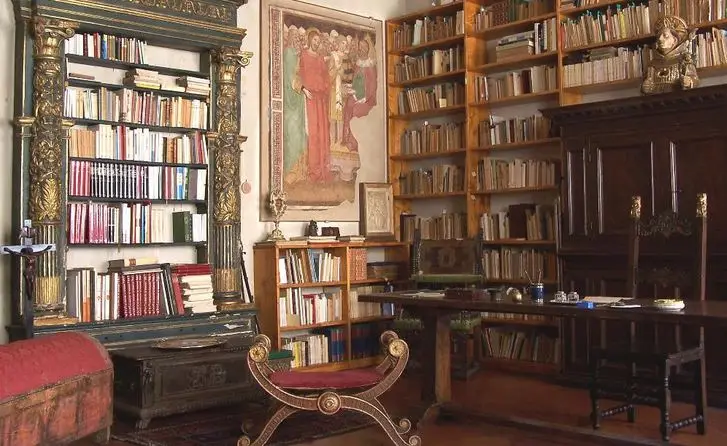
Enrico Caruso Museum
The bond between Enrico Caruso and the Bellosguardo Hill above Lastra a Signa was a love one, born after the relationship withAda Giachetti. They visited the ruined country house together, bought it and lived there more uxorio. Caruso invested a huge amount of money in the re-building of the house, giving work to the locals in a time when the major source of income -the straw manifacturing- had a strong crisis. The result was a beautiful mansion, in a dominant position above the Arno valley, with a majestic Italian garden and agricultural estate.
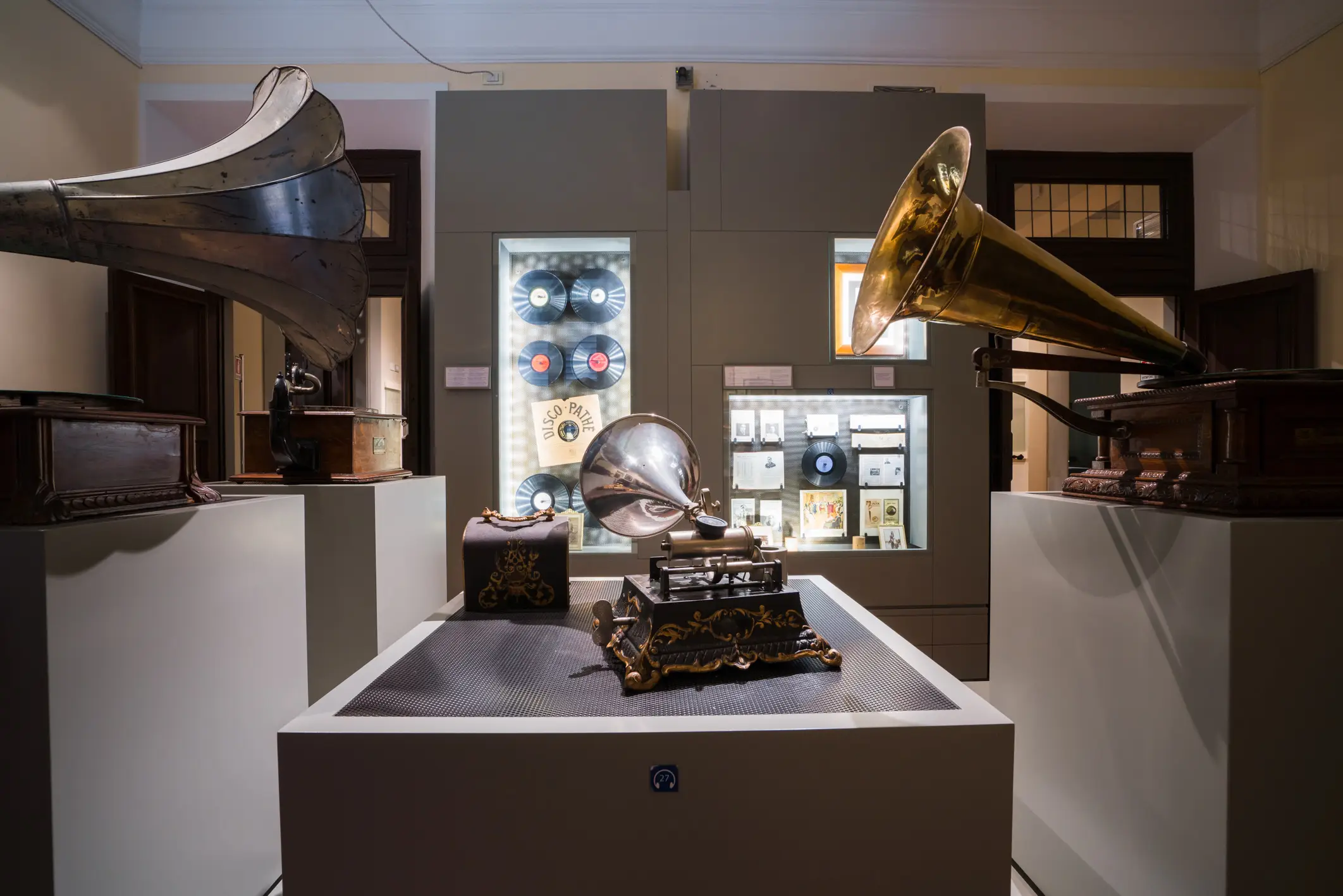
Enrico Caruso was the very first Italian divo, a tenor who knew how to use all the tools belonging to that age, from the (silent) cinema to the recording on vinyl to amplify his voice over and over, in addiction to the stage exhibitions. The exposition is in the rooms of the noble floor of the mansion, including the tenor bedroom, with original furniture. In another room there are Caruso's drawings, mostly caricatures that Caruso used to draw to relax. There is also a collection of gramophones of the first years of XX century, all working, to testify the importance of recording his works. You will see then photos, both private and of shows and colleagues, shedules of the numerous theatres where Caruso performed all over the world, and scenes costumes, that will be exposed in rotation.
The museum also boasts special visual and audio effects, the sonor gushes, that you can enjoy in the music room: as if Caruso's voice invests the vistor who comes closer to the showcase. The Enrico Caruso Museum is in Villa Caruso Bellosguardo, above Lasta a Signa.
Museo del Ciclismo Gino Bartali
The cycling museum dedicated to the Tuscan championGino Bartali, is located in Ponte a Ema, the village close to Florence where the great cyclist was born and started his career. It is athree-storey buildingwith an expanse of more than 1.000 square meters.
Bicycles from various periods are stored in the basement floor to show their technical evolution, while the actual museum is set on the first floor, with a variety of velocipedes, bicycles, clothes and relics, documenting the history of cycling and Gino Bartali’s, as well as other champions’, deeds. The museum also houses several newspapers and film clips of the period.
It's very interesting for all children who love cycling or want to learn about the history of bicycle.

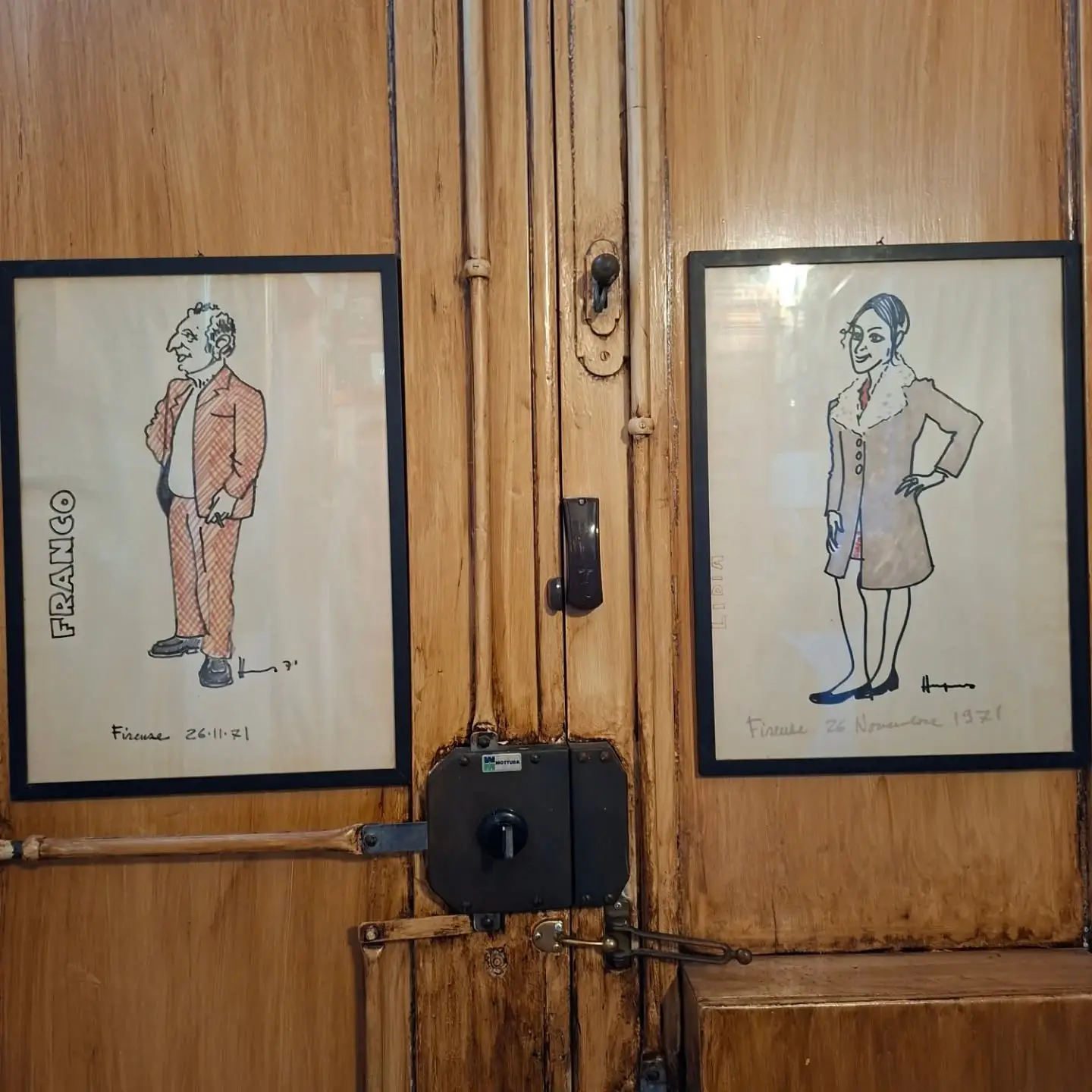
The House of Franco and Lidia Luciani
The House of Franco and Lidia Luciani was built in the mid-1920s with funds from the employees of Società Elettrica Sert Valdarno (today ENEL, the so-called "Gruppo Luce"). The House is located in the Gavinana district in the south-east part of Florence.
The House displays their hand-selected collection of paintings, engravings, prints, ceramics, majolica, bronzes, books, ancient postcards, and antique furnitures.
Both Franco and Lidia had a classical studies background: Franco was a pharmacist, and Lidia was an Italian Literature and History teacher. Both were particularly passionate about 19th century Tuscan paintings and, throughout their lives together, they bought numerous paintings by Macchiaioli and Post-Macchiaioli masters. These artists, starting from 1860, animated the Italian pictorial panorama and contributed decisively to the renewal of traditional pictorial aesthetics, and the anticipators of impressionism.
The collection in the house started to grow in the 1950’s thanks to Franco’s passion and Lidia’s support, year after year untill 2006, when Franco became ill and passed away. Many of the paintings in the house were loaned for exhibition and vernissages. Among the artists we mention Nomellini, Lomi, Natali, March, Filippelli, Corcos, and the Florentine Macchiaioli painters Signorini, Cabianca, Tommasi, Borrani.
With Franco and Lidia both gone, the collection they built and shaped remains intact and displayed just as it was when they lived – a precious collection that Franco and Lidia proudly showed to their family and friends.
So now, their two daughters would be delighted to share these works of art with sector experts, scholars or simply art lovers
The House is member of the Associazione Nazionale Case della memoria.
Museo Fondazione Primo Conti
The 15th-century Villa Le Coste, for many years the home of the Florentine painter Primo Conti, is now occupied by the foundation that takes his name. It consists of an archive with over 100,000 documents, relating principally to Futurism and its leading exponents, and a museum.
Primo Conti, who was born in 1900 and died 1988, was also a composer and a writer.
In the Museum there are about 60 paintings and 150 drawings covering a period from 1911 to 1985. Through Conti’s work it is possible to observe the development of trends in 20th-century Italian and European art.
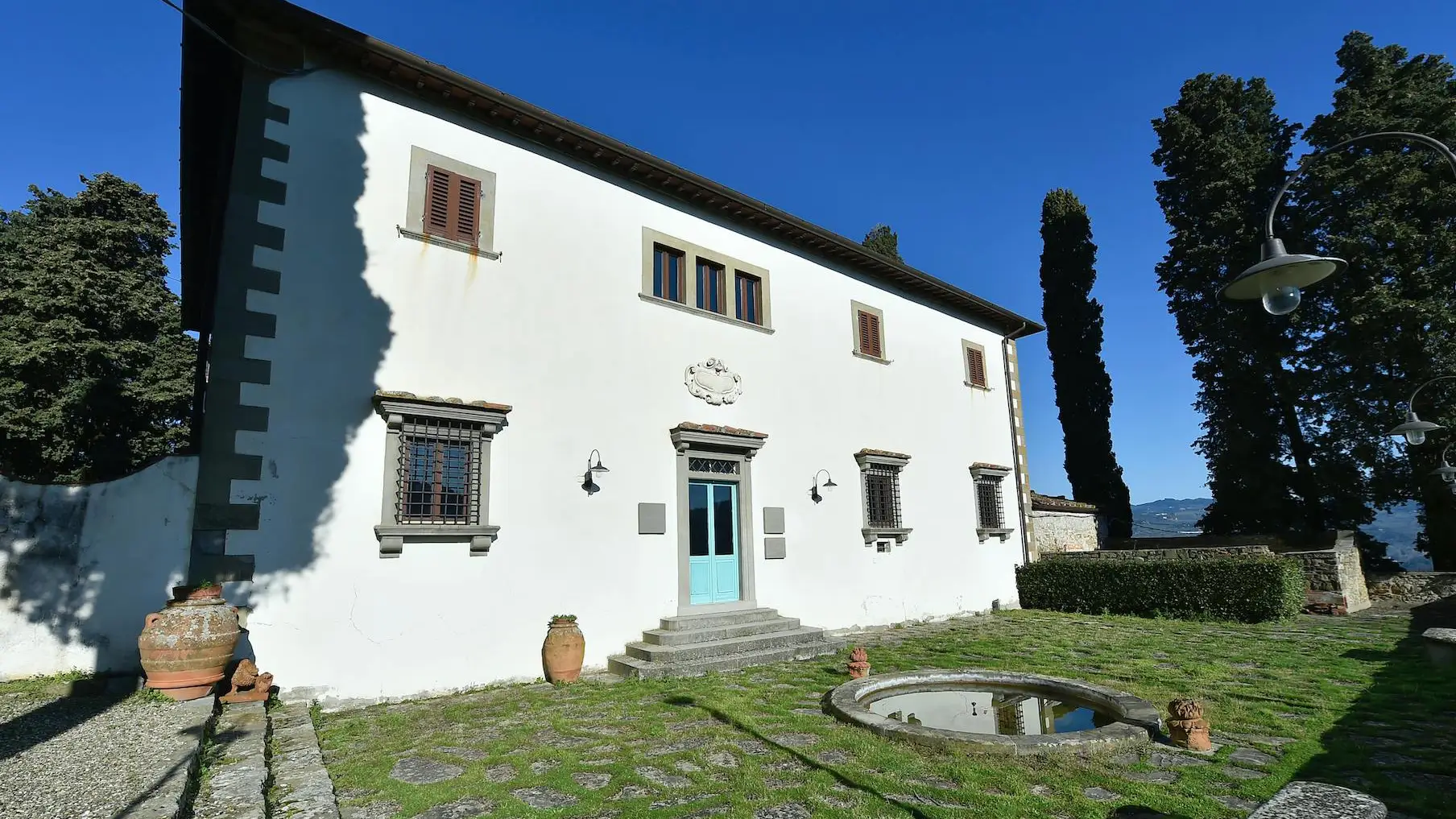
Michelucci Foundation
Giovanni Michelucci, a great protagonist of 20th century Italian culture, was one of the greatest Italian architects of the 20th century. In the Foundation's headquarters, Villa Il Roseto which is the house where he lived the last years of his life, the archive, the architect's memoirs, drawings, models and library collections can be consulted. Furniture designed by him and paintings by his wife Eloisa Pacini can be admired, along with many works of art by architect and artist friends.
The spot is breathtaking for the view on the city of Florence and it is is surrounded by a fully terraced garden full of hydrangeas, roses, azaleas and adorned with trees: olive, cypress, orange, pomegranate, cherry and typical Mediterranean plants.
The villa is the headquarters of the Michelucci Foundation, but on several occasions it can be visited.
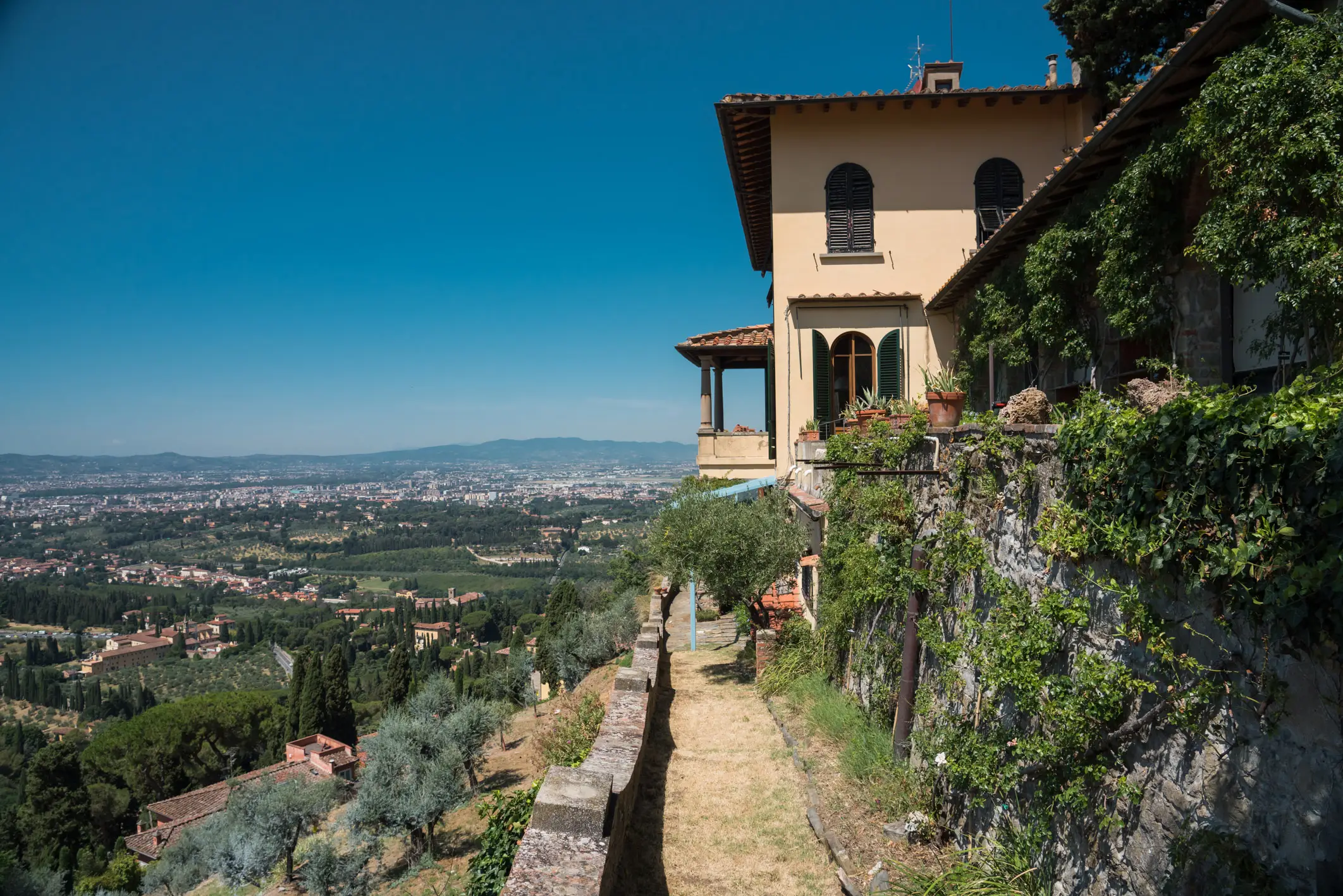
Villa Il Gioiello
The Villa Il Gioiello or Villa Galileo is the home where the great scientist Galilei spent the last part of his life, confined to house arrest by the condemnation of the Holy Office of 1633.
The villa is part of an estate under the management of the University of Florence, that takes care of the maintenance and promotion of the Villa and the surrounding land where Galileo had his own vegetable garden.
The building has a Renaissance shaping and is surrounded by an enchanting Tuscan landscape, not far from the city of Florence. Some pieces of furniture dating back to the age of Galileo are in the premises.
The Villa is used as meeting center for the scientific institutions on the hill of Arcetri.
Some guided visits are organised by the Educational Service of the University Museums.

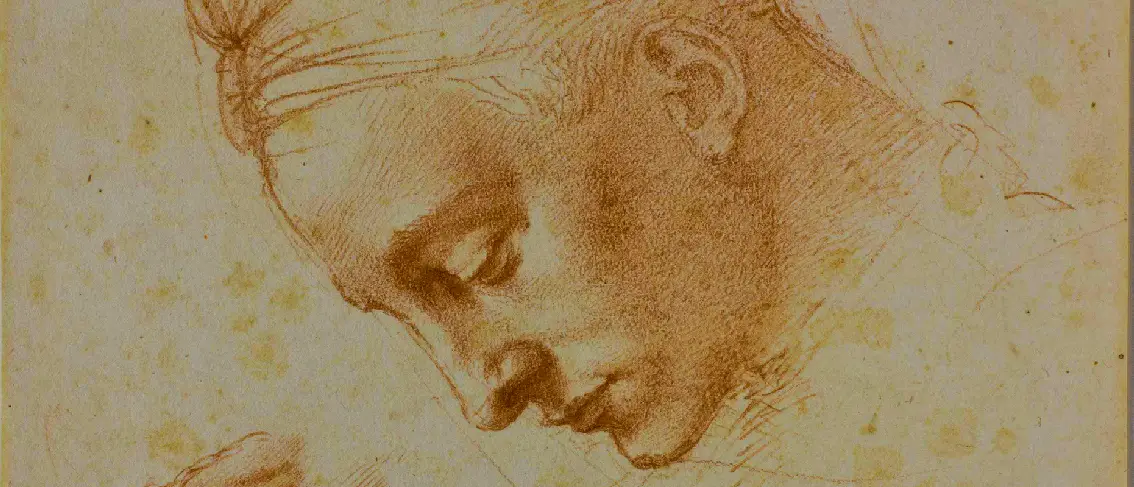
Fondazione Casa Buonarroti
The Museo di Casa Buonarroti is to all intents and purposes the temple of Michelangelo's memory.
Acquired by Michelangelo Buonarroti himself around 1510, the property only became central to the Buonarroti family in the 17th century, when the palace took on its current appearance. It was in fact thanks to his great-grandson Michelangelo the Younger, a prominent figure in 17th-century Florentine culture, that this house was decorated with paintings celebrating the family glory, to which four rooms were dedicated.
The core of the collection are Michelangelo's autograph works: exraordinary early sculptures such as the Madonna of the Staircase, the Battle of the Centaurs; the display includes Etruscan and Roman sculptures, Renaissance and 17th-century paintings, Della Robbia glazed terracotta. The great Master is also responsible for the large wooden model for the façade of San Lorenzo Church and the River God, a sketch for the New Sacristy (Medici Chapel Complex).
Thanks to the curatorship of the Fondazione Casa Buonarroti, the museum has an intense exhibition activity, and groups of Michelangelo's drawings are also temporarily exhibited in rotation.
The Filippo Dobrilla House Museum and Arts Centre
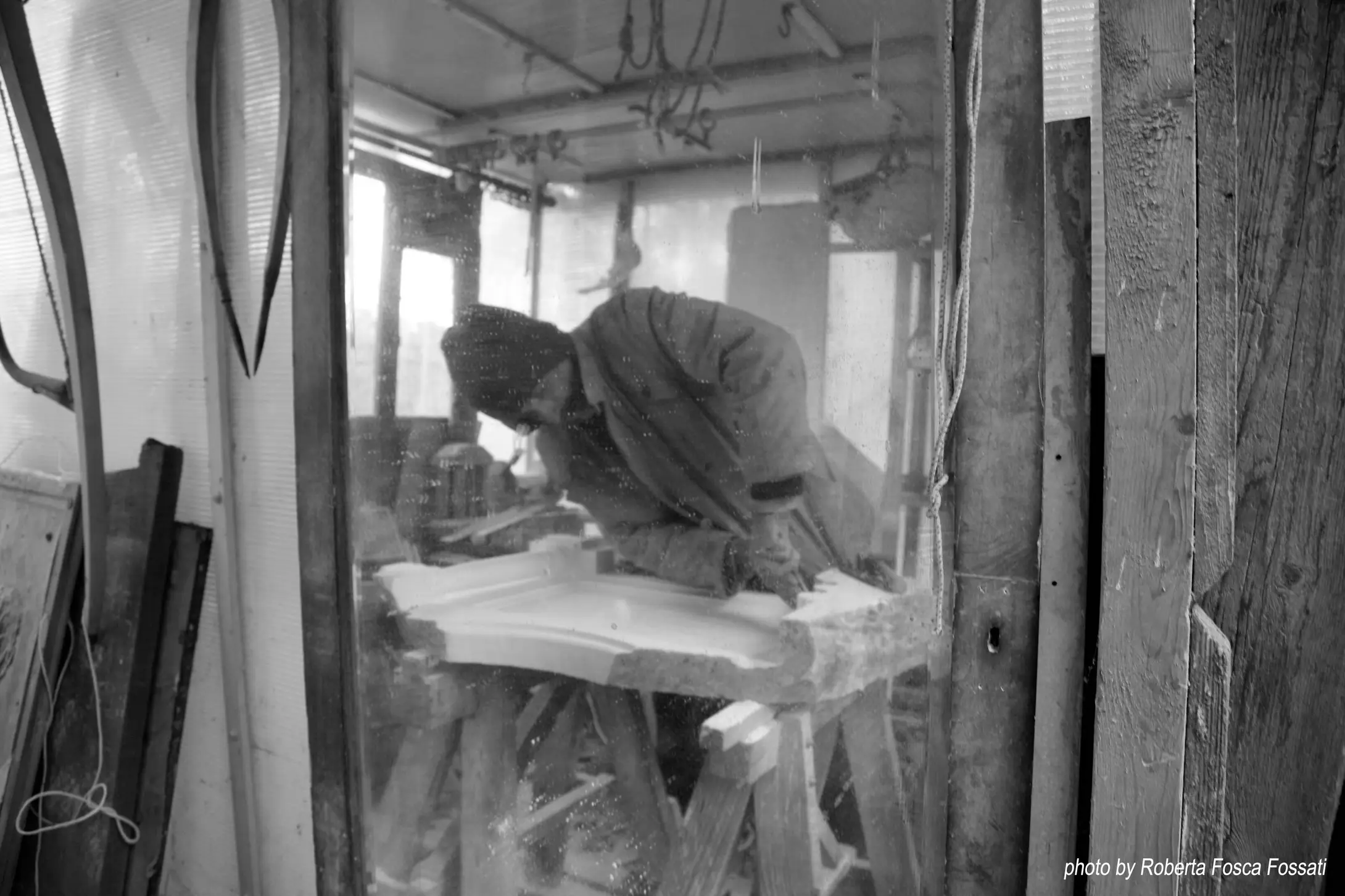
The Filippo Dobrilla House Museum and Arts Center is a place where art and everyday life are deeply intertwined. It was here that the sculptor Filippo Dobrilla (1968–2021) lived and worked, allowing time, movement and material to interact naturally.
The rooms still retain the authentic atmosphere of a lived-in home, conveying the artist’s living presence through the spaces, the tools and the works that fill them.
Filippo Dobrilla carved marble with respect and dedication, following the stone’s own voice and accepting its resistance as part of the creative process. His work sprang from a direct, physical relationship with the material, characterised by patience, attentiveness and profound understanding.
Each sculpture bears the mark of a long, shared process, in which the form emerged little by little.
Alongside art, the land played a central role in his life. Cultivating the fields, following the rhythm of the seasons and tending to the plants were activities that complemented his work as a sculptor. The earth and marble – different materials, yet equally alive – marked the rhythm of his days, providing a profound balance between artistic creation and agricultural labour.
Visiting the house-museum means stepping into a world where art is not separate from life, but is a natural extension of it. It is a place of memory and presence, where one can still sense the strong bond between people, materials and nature, and where visitors are invited to slow down, observe and listen.