Un parcours à travers les Maisons de la Mémoire
L'Association nationale des maisons de la mémoire regroupe les demeures (aujourd'hui transformées en maisons-musées) où ont vécu des personnalités éminentes issues de tous les domaines du savoir, de l'art, de la littérature, des sciences et de l'histoire.
Préservés dans leur intégrité, dans la mesure du possible, ou du moins confiés aux soins de chercheurs et d'experts spécialisés dans la vie de ce personnage et dans l'art qui lui est associé, ce sont des lieux où l'on respire encore les ambiances, les gestes, les rencontres d'autrefois. Des lieux où l'on peut admirer les mêmes objets, les mêmes livres, les mêmes vues, qui ont déjà été chéris par ce personnage
À quand les visiter
À deux reprises par an, à l'occasion de la Journée nationale et de la Journée internationale des Maisons de la mémoire, tout le monde peut découvrir les espaces les plus intimes d'artistes, de musiciens, d'intellectuels et de collectionneurs, au cours d'un parcours fascinant. Bon nombre de ces lieux, étant des musées, ont toutefois des horaires d'ouverture fixes et programmés.
Où se trouvent les maisons ?
Dans la zone urbaine de Florence et ses environs immédiats, on trouve de nombreuses maisons-musées : la plupart se situent en ville, dans des bâtiments historiques ou de belles villas à flanc de colline, mais aussi dans les petites villes ou les villages de la région. Chaque maison est une bonne raison de partir en excursion pour découvrir un territoire riche en histoire.
Nous pouvons « rendre visite » à Giovanni Spadolini, Galileo Galilei, Michelangelo Buonarroti, Elizabeth Barrett Browning, Enrico Caruso, Gino Bartali, Piero Bargellini, Sir Acton, Franco et Lidia Luciani ou Giovanni Michelucci
Suivez notre itinéraire
Ambito Firenze e Area Fiorentina
Les lieux
Étapes
The Spadolini Nuova Antologia Foundation
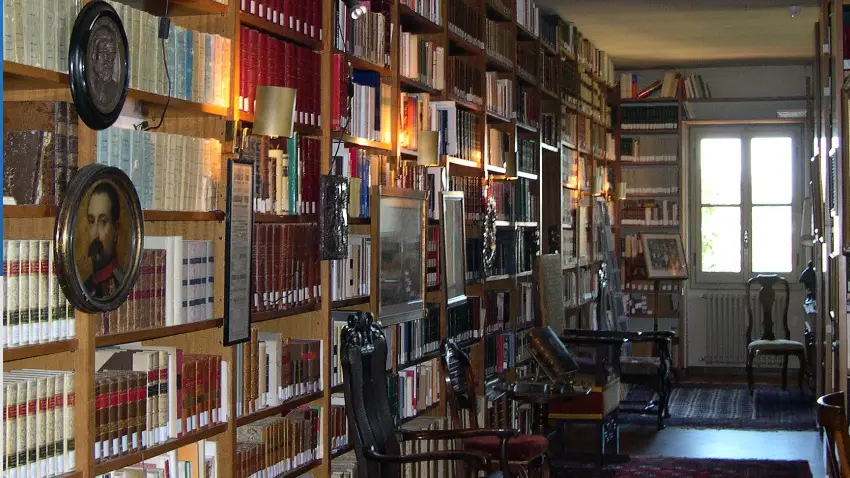
The Spadolini Nuova Antologia Foundation, established by Giovanni Spadolini in 1980 by decree of the President of the Republic, Sandro Pertini, is based in Florence, on the hill of Pian dei Giullari, above Piazzale Michelangelo: in accordance with its statutes, it makes available to scholars the vast cultural heritage and library that the statesman bequeathed to it upon his death in 1994.
Better known as the “House of Books” or “The Circle of Cypresses”, the villa – built in the 1960s – overlooks Florence’s most famous monuments and houses a rich cultural heritage: a prestigious library containing antique volumes, collections of Napoleonic and Risorgimento memorabilia, as well as works by Tuscan artists such as Guido Spadolini, Ottone Rosai and Ardengo Soffici, alongside masters from the rest of Italy, such as Giorgio Morandi and Nino Caffé.
Casa Guidi
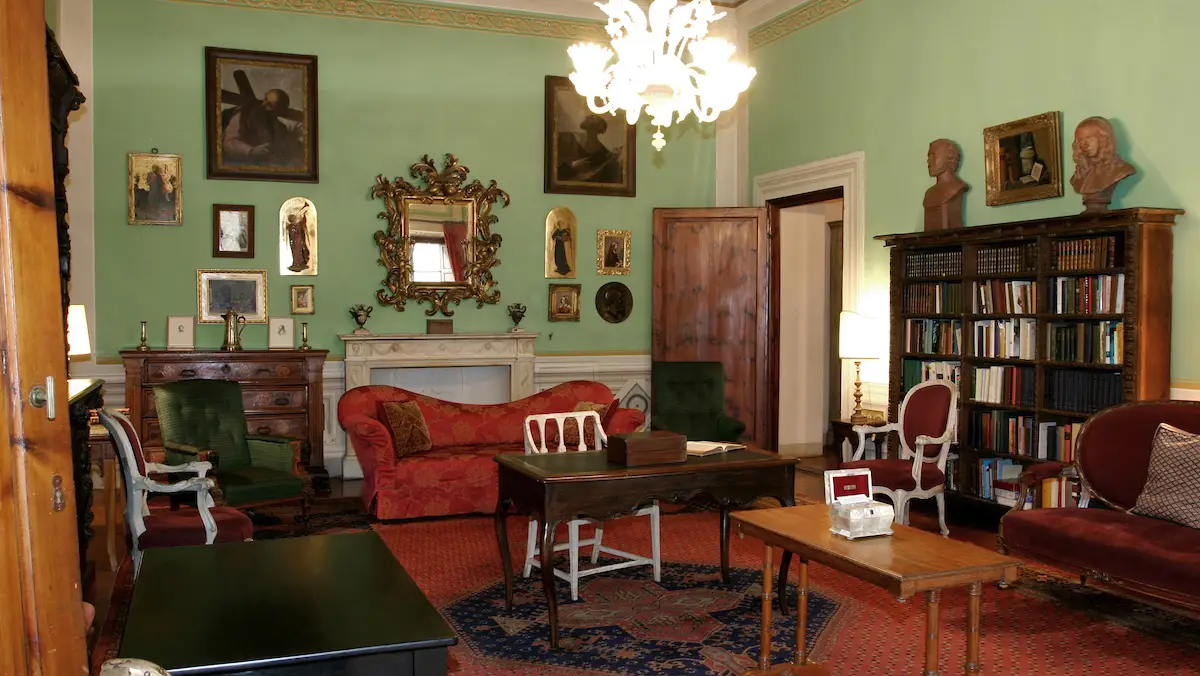
Robert Browning et Elizabeth Barrett arrivèrent à Florence en 1847, alors qu’Elizabeth était déjà une poétesse très connue, et ils y restèrent quatorze ans jusqu’à sa mort, en se liant d’amitié avec de nombreux Italiens célèbres.
Ce fut Elizabeth qui décida d'appeler le musée “Casa Guidi (maison Guidi)”, car il s'agissait d'une vraie demeure familiale: à l’exception de quelques pièces précieuses, tous les tableaux et les meubles furent achetés chez les brocanteurs florentins. Aujourd’hui, l’appartement conserve globalement l’aspect de l’époque.
Le Jardin de Villa La Pietra
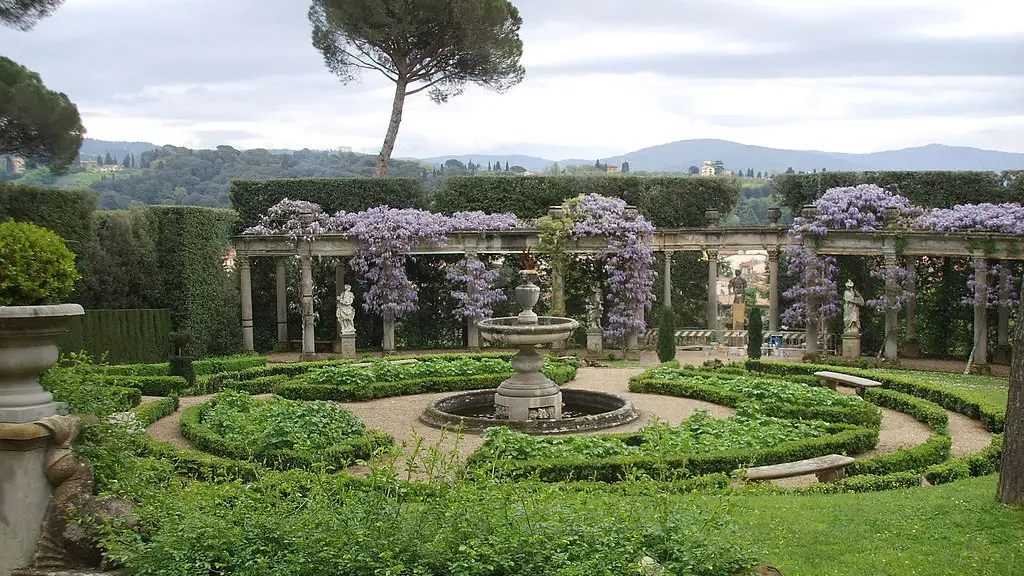
Le jardin en style baroque de la villa , qui appartenait autrefois à la famille Capponi, fut transformé en jardin à l’anglais au XIXe siècle. Le jardin actuel fut commissionné en 1904 par le propriétaire Arthur Acton aux grands jardiniers Ambroziewicz, Bonaiuti, Castellucci, Dodge et Watson.Le jardin constitue le prolongement naturel de la villa, créant une continuité entre l'intérieur et l'extérieur.
Le jardin est aménagé en terrasses, comme il est d'usage dans les jardins toscans, avec des « pièces de verdure » typiques de la tradition baroque, au sein desquelles se trouvent des éléments architecturaux et des statues d'origine vénitienne.
C'est dans ce jardin et dans cette villa que Sir Harold Acton, écrivain, intellectuel et esthète, a passé sa vie.
Villa Pozzolini in Bivigliano
The building is named after the last owner, Luigi Pozzolini, who bought it in 1859 at an auction of properties of the Ginori family.
The construction of the villa dates back to the 16th century, possibly to a design by Bernardo Buontalenti; it is surrounded by a wonderful formal garden and by a 12-hectare park, formerly used as a hunting reserve.
Gesualda Malenchini Pozzolini, who was Luigi's wife, funded in her villa a rural school for the children of the peasants. It was the very first example of popular education in unitarian Italy
The villa is currently used as a location for events and weddings.
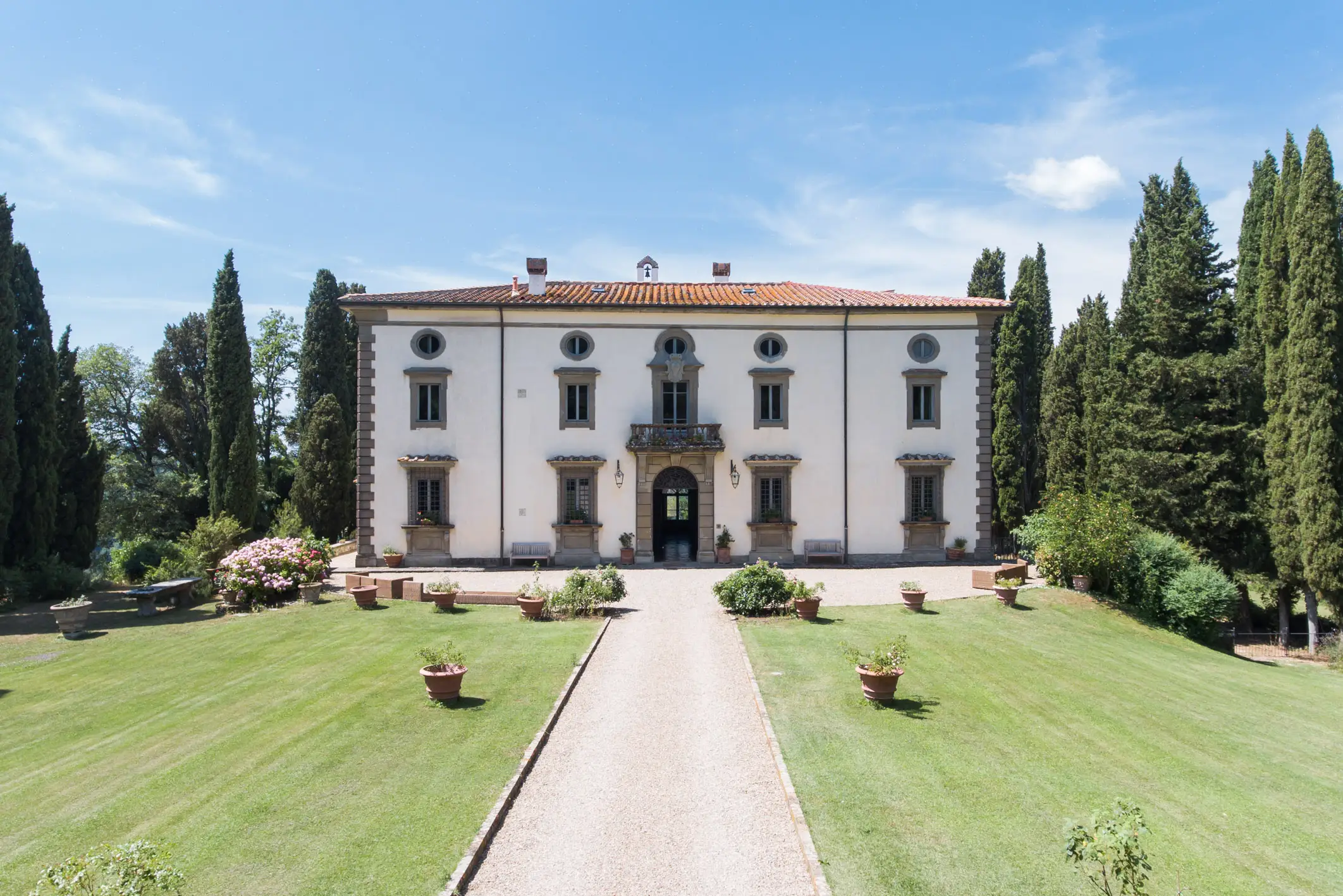
Casa Studio Piero Bargellini
Piero Bargellini (1897-1980) is, in the memory of all Florentines, the mayor of Florence who had to face the terrible tragedy of the 1966 flood. But not only that, from 1051 to 1956 he had been the Councillor for Fine Arts for the Municipality of Florence and, later, he also was a member of Parliament during two legislatures.
A prolific writer, passionate about the history of his city, during his long career he published more than 60 books.
His studio in the very centre of Florence was a meeting place for artists and writers, cinema and showbusiness personalities and intellectuals.
In the 16th century palazzo Da Cepparello, bought by Bargellini in 1946, you can visit the Studio, as it had been preserved and conceived by its owner: with high coffered ceilings and a cycle of 14th century frescoes hailing from the Chiesa delle Busche church near Carmignano (Prato).
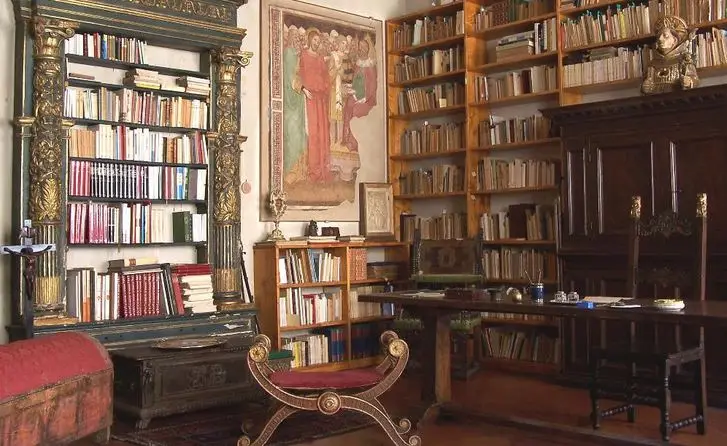
Enrico Caruso Museum
The bond between Enrico Caruso and the Bellosguardo Hill above Lastra a Signa was a love one, born after the relationship withAda Giachetti. They visited the ruined country house together, bought it and lived there more uxorio. Caruso invested a huge amount of money in the re-building of the house, giving work to the locals in a time when the major source of income -the straw manifacturing- had a strong crisis. The result was a beautiful mansion, in a dominant position above the Arno valley, with a majestic Italian garden and agricultural estate.
Enrico Caruso was the very first Italian divo, a tenor who knew how to use all the tools belonging to that age, from the (silent) cinema to the recording on vinyl to amplify his voice over and over, in addiction to the stage exhibitions. The exposition is in the rooms of the noble floor of the mansion, including the tenor bedroom, with original furniture. In another room there are Caruso's drawings, mostly caricatures that Caruso used to draw to relax. There is also a collection of gramophones of the first years of XX century, all working, to testify the importance of recording his works. You will see then photos, both private and of shows and colleagues, shedules of the numerous theatres where Caruso performed all over the world, and scenes costumes, that will be exposed in rotation.
The museum also boasts special visual and audio effects, the sonor gushes, that you can enjoy in the music room: as if Caruso's voice invests the vistor who comes closer to the showcase. The Enrico Caruso Museum is in Villa Caruso Bellosguardo, above Lasta a Signa.
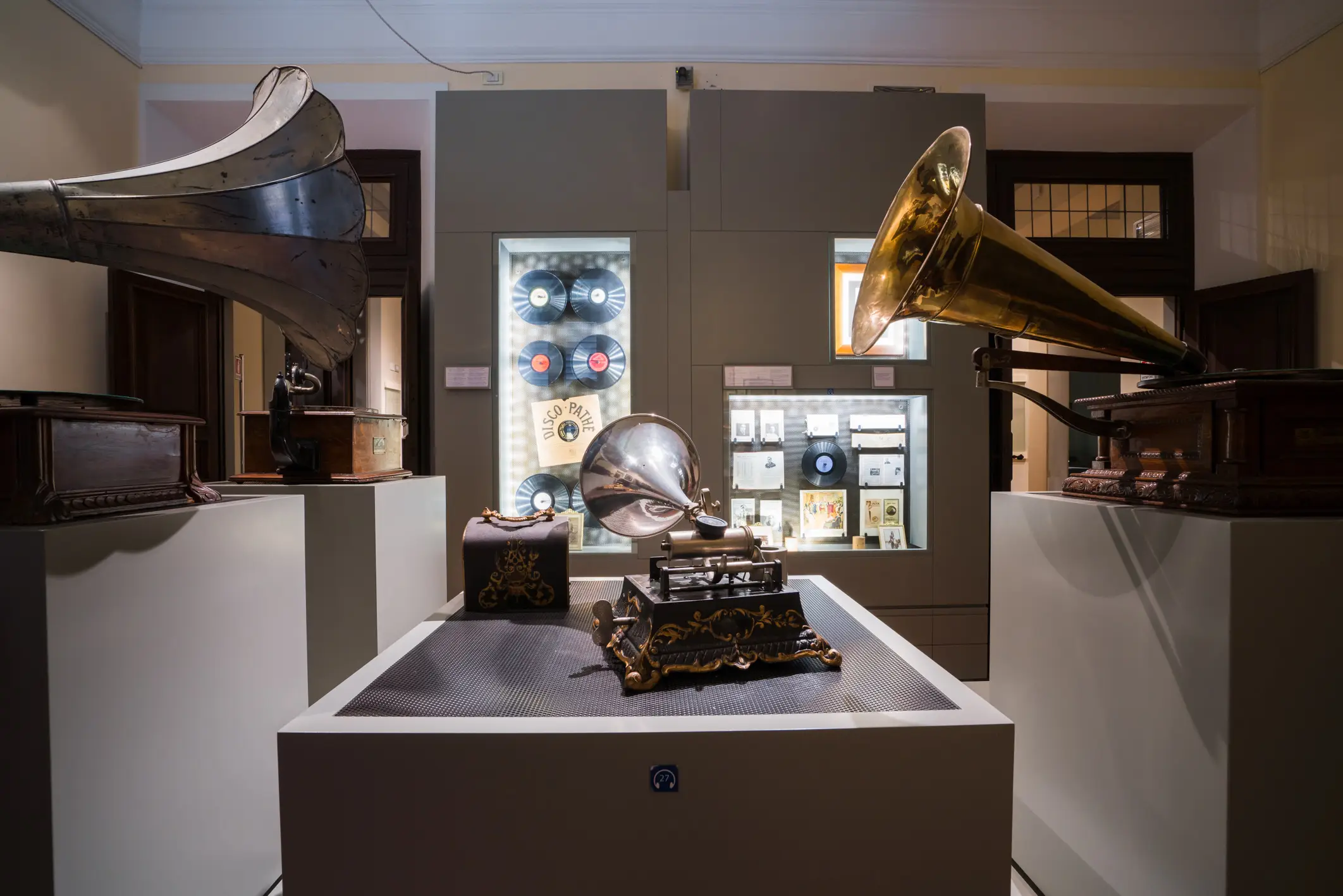
Museo del Ciclismo Gino Bartali
Le musée du cyclisme, qui porte le nom du champion toscan Gino Bartali, est situé à Ponte a Ema, lieu où le grand cycliste naquit et commença ses compétitions. Il est sur trois étages, et compte plus de 1000m² de surface.
Au sous-sol se trouve la salle où sont présentés des vélos de différentes époques, donnant un aperçu de leur évolution technique. Au premier étage se trouve le véritable musée, avec l'exposition de vélocipèdes, vélos, vêtements et de souvenirs documentant l'histoire du cyclisme et les exploits de Gino Bartali et d'autres champions. On y trouve également une collection de journaux anciens, de nombreuses publications et des vidéos.
Le musée est adapté aux enfants et aux jeunes qui aiment le vélo ou qui veulent en connaître l’histoire.

The House of Franco and Lidia Luciani
The House of Franco and Lidia Luciani was built in the mid-1920s with funds from the employees of Società Elettrica Sert Valdarno (today ENEL, the so-called "Gruppo Luce"). The House is located in the Gavinana district in the south-east part of Florence.
The House displays their hand-selected collection of paintings, engravings, prints, ceramics, majolica, bronzes, books, ancient postcards, and antique furnitures.
Both Franco and Lidia had a classical studies background: Franco was a pharmacist, and Lidia was an Italian Literature and History teacher. Both were particularly passionate about 19th century Tuscan paintings and, throughout their lives together, they bought numerous paintings by Macchiaioli and Post-Macchiaioli masters. These artists, starting from 1860, animated the Italian pictorial panorama and contributed decisively to the renewal of traditional pictorial aesthetics, and the anticipators of impressionism.
The collection in the house started to grow in the 1950’s thanks to Franco’s passion and Lidia’s support, year after year untill 2006, when Franco became ill and passed away. Many of the paintings in the house were loaned for exhibition and vernissages. Among the artists we mention Nomellini, Lomi, Natali, March, Filippelli, Corcos, and the Florentine Macchiaioli painters Signorini, Cabianca, Tommasi, Borrani.
With Franco and Lidia both gone, the collection they built and shaped remains intact and displayed just as it was when they lived – a precious collection that Franco and Lidia proudly showed to their family and friends.
So now, their two daughters would be delighted to share these works of art with sector experts, scholars or simply art lovers
The House is member of the Associazione Nazionale Case della memoria.
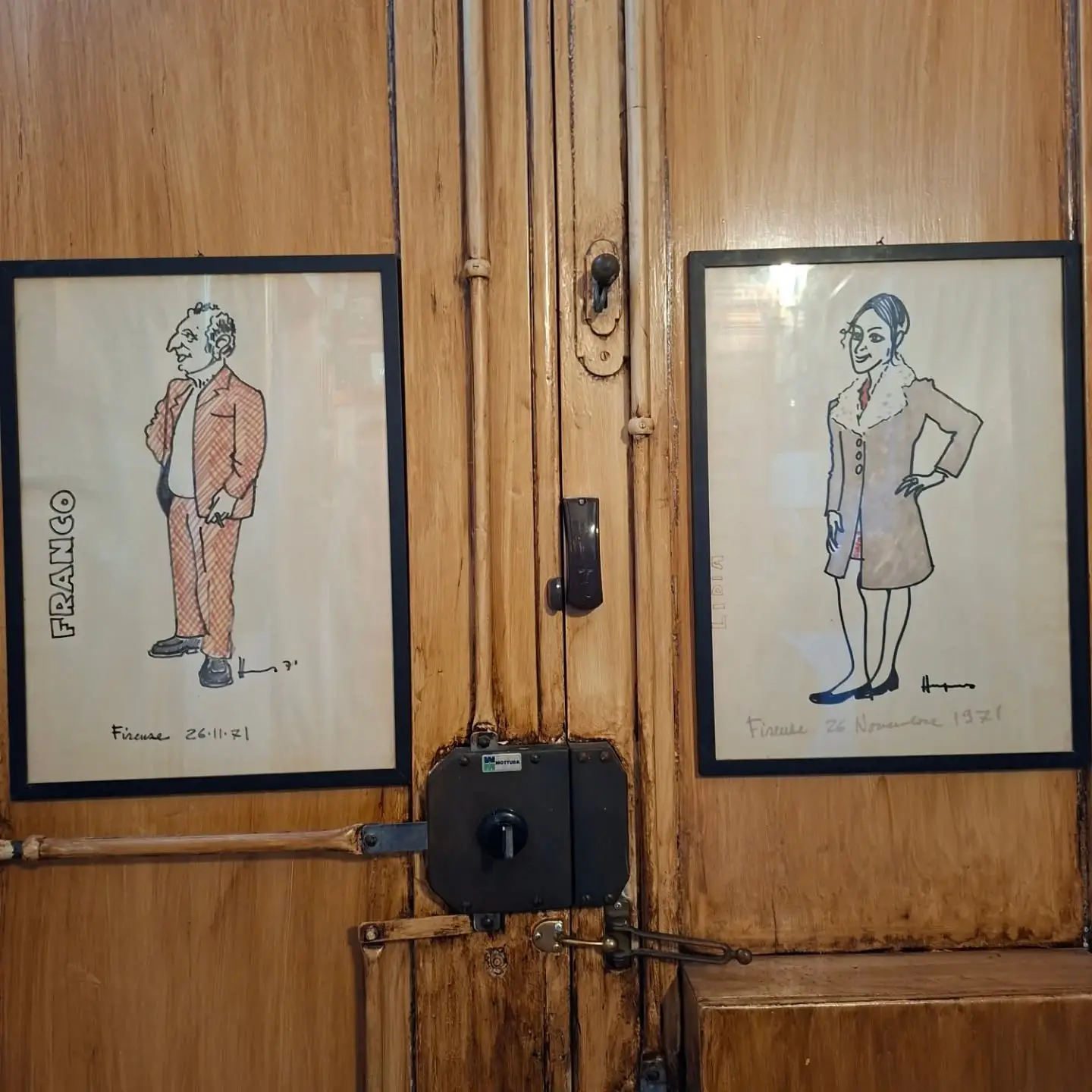
Museo Fondazione Primo Conti
Datant du XVe siècle, la Villa Le Coste fut la demeure de Primo Conti pendant plusieurs années. Aujourd’hui, sa maison abrite la Fondation avec ses archives (plus de cent mille documents concernant surtout le Futurisme et ses protagonistes) et le musée.
Ayant vécu de 1900 à 1988, Primo Conti était également compositeur et écrivain.
Le musée abrite notamment, soixante peintures et cent cinquante dessins de Primo Conti qui couvrent la période de 1911 à 1985. L'œuvre du peintre florentin nous permet d’étudier le développement des courants artistiques du XXe siècle en Italie et en Europe.
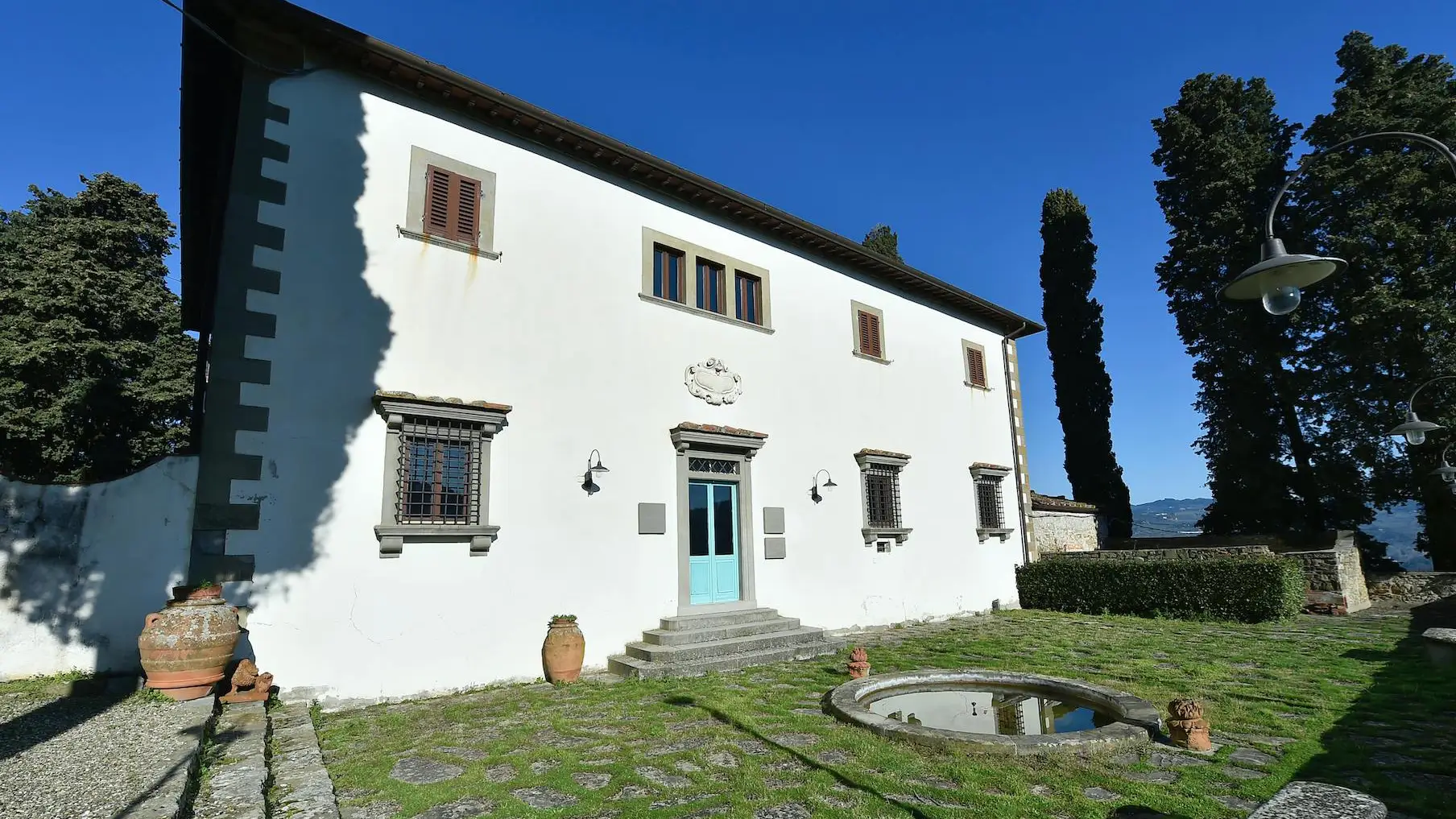
Michelucci Foundation
Giovanni Michelucci, a great protagonist of 20th century Italian culture, was one of the greatest Italian architects of the 20th century. In the Foundation's headquarters, Villa Il Roseto which is the house where he lived the last years of his life, the archive, the architect's memoirs, drawings, models and library collections can be consulted. Furniture designed by him and paintings by his wife Eloisa Pacini can be admired, along with many works of art by architect and artist friends.
The spot is breathtaking for the view on the city of Florence and it is is surrounded by a fully terraced garden full of hydrangeas, roses, azaleas and adorned with trees: olive, cypress, orange, pomegranate, cherry and typical Mediterranean plants.
The villa is the headquarters of the Michelucci Foundation, but on several occasions it can be visited.
Villa Il Gioiello
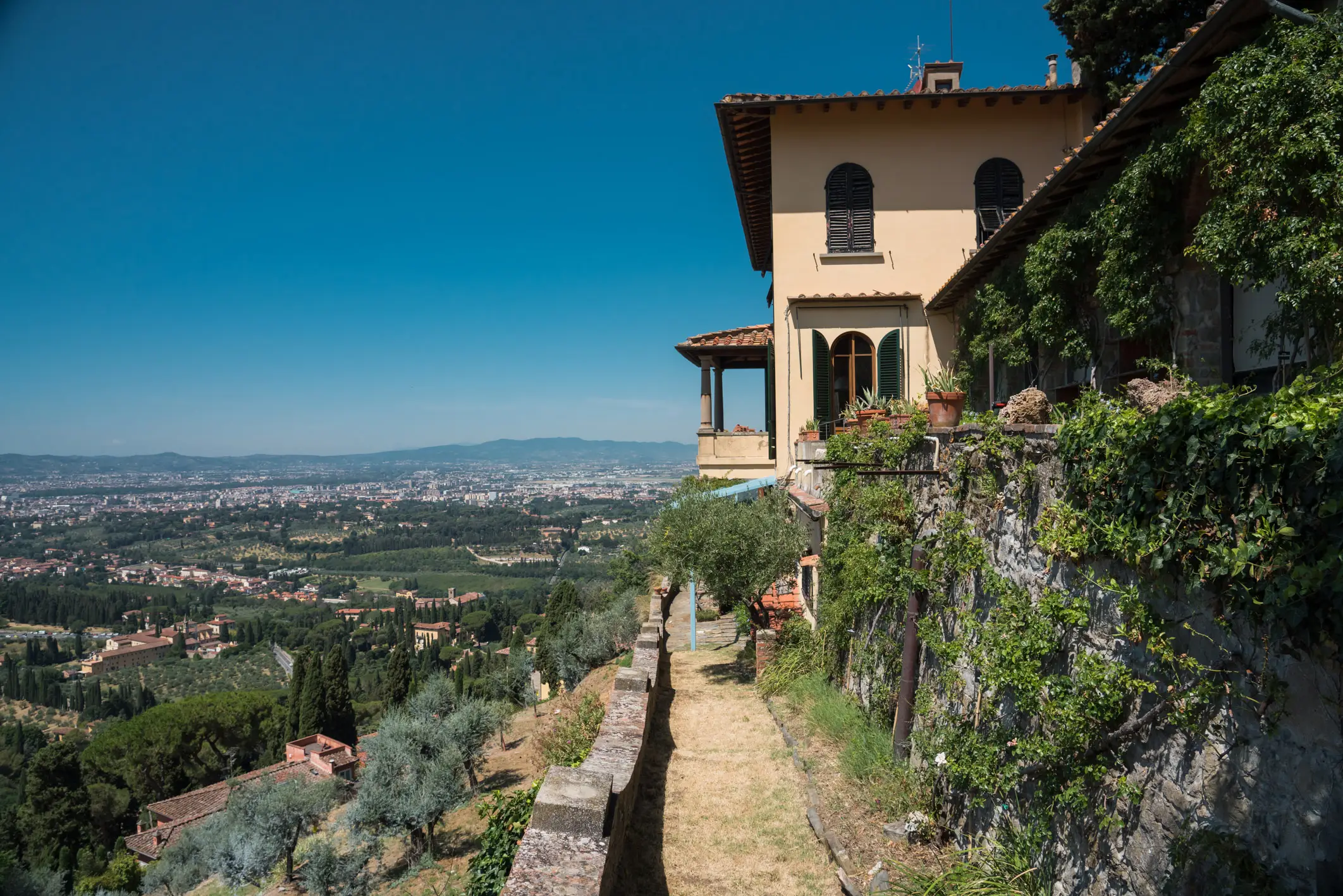
Villa il Gioiello, également appelée Villa Galileo, fut le lieu de résidence assigné à Galilée par l'Inquisition après sa condamnation en 1633, où il vécut jusqu'à sa mort. L’Université de Florence s'occupe de l'entretien et de la valorisation de la villa et du terrain où autrefois se trouvait le jardin potager.
Restaurée en 2006, la villa accueille des conférences et des meetings organisés par les centres de recherche de l’observatoire astrophysique d'Arcetri, pas loin.

Fondazione Casa Buonarroti
C’est le palais que Michel-Ange acheta vers 1510. Son aspect actuel est dû à son arrière-petit-fils Michel-Ange le Jeune, important personnage de la culture florentine du XVIIe siècle, qui fit décorer quatre salles de peintures célébrant la gloire de la famille. En plus des œuvres de Michel-Ange, qui comprenaient la collection de dessins, la Vierge à l’escalier et la Bataille des Centaures, se sont ajoutées au fil du temps des sculptures romaines, des peintures de la Renaissance et du XVIIe siècle, des faïences de la famille Della Robbia et enfin des trouvailles étrusques. La maquette en bois de la façade de l'église de San Lorenzo et l’esquisse du Dieu-fleuve de la Nouvelle Sacristie, tous deux de Michel-Ange, proviennent d’autres musées de la ville; quelques dessins du grand maître y sont exposés à tour de rôle.
The Filippo Dobrilla House Museum and Arts Centre
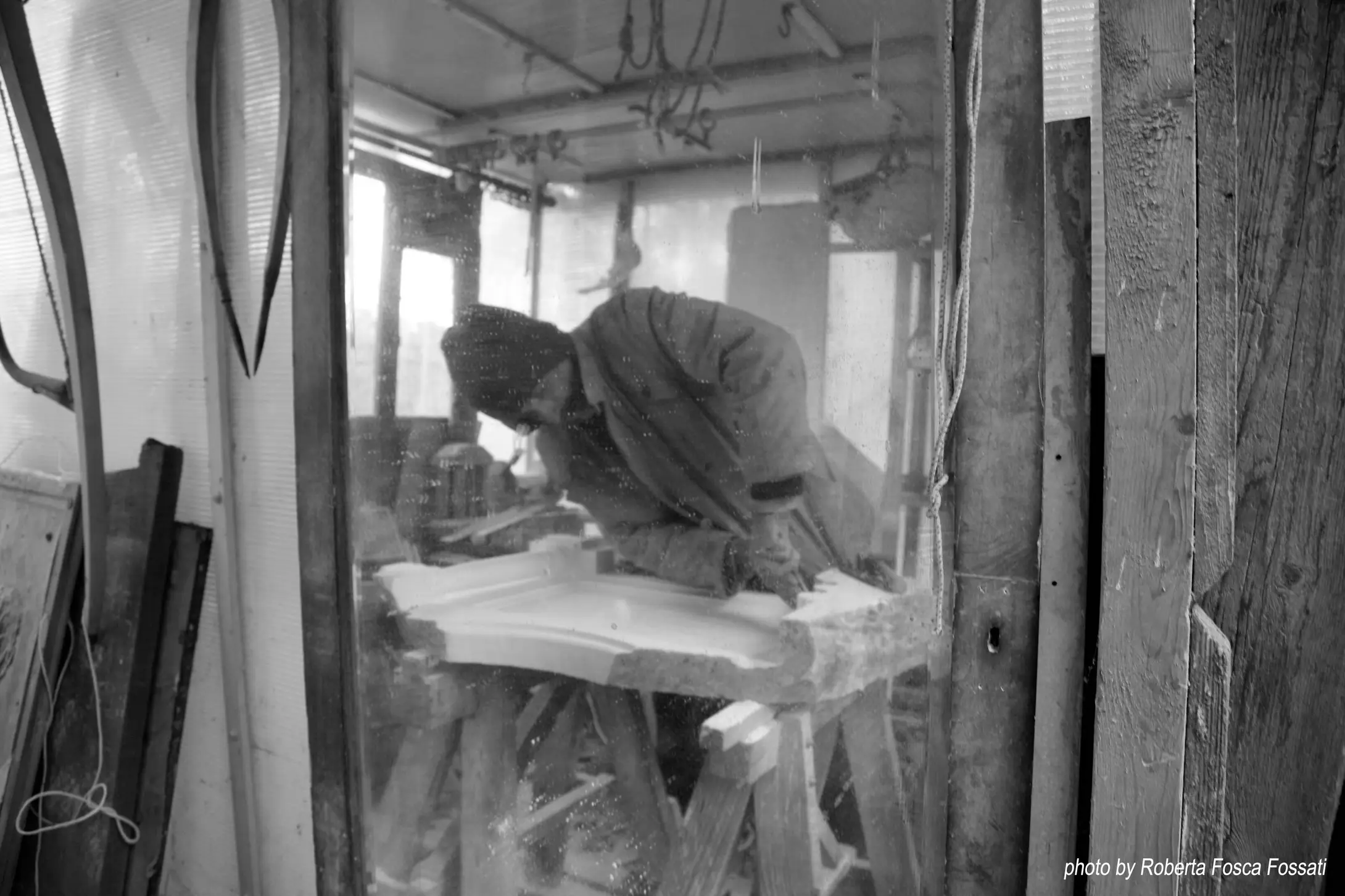
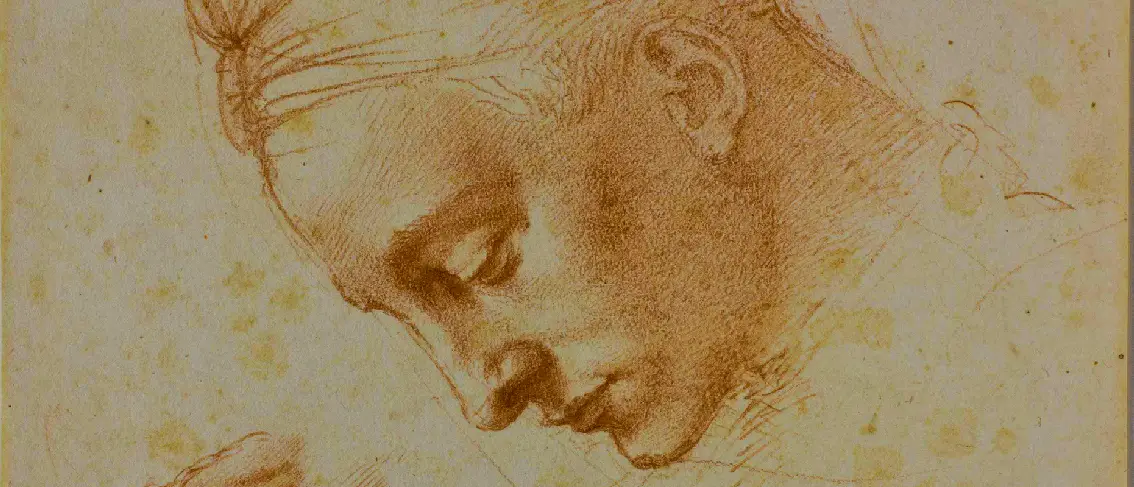
The Filippo Dobrilla House Museum and Arts Center is a place where art and everyday life are deeply intertwined. It was here that the sculptor Filippo Dobrilla (1968–2021) lived and worked, allowing time, movement and material to interact naturally.
The rooms still retain the authentic atmosphere of a lived-in home, conveying the artist’s living presence through the spaces, the tools and the works that fill them.
Filippo Dobrilla carved marble with respect and dedication, following the stone’s own voice and accepting its resistance as part of the creative process. His work sprang from a direct, physical relationship with the material, characterised by patience, attentiveness and profound understanding.
Each sculpture bears the mark of a long, shared process, in which the form emerged little by little.
Alongside art, the land played a central role in his life. Cultivating the fields, following the rhythm of the seasons and tending to the plants were activities that complemented his work as a sculptor. The earth and marble – different materials, yet equally alive – marked the rhythm of his days, providing a profound balance between artistic creation and agricultural labour.
Visiting the house-museum means stepping into a world where art is not separate from life, but is a natural extension of it. It is a place of memory and presence, where one can still sense the strong bond between people, materials and nature, and where visitors are invited to slow down, observe and listen.