From factory to attraction: 4 experiences around Florence
Demand changes over time, production processes are modernised, and tastes evolve. As a result, industrial sites, once closed down, often fall into oblivion, burying history, memory and expertise all at once.
That is why exploring examples of industrial sites that have been repurposed, refurbished and given a new use – including for tourism – can be an unusual way to discover a region. This short itinerary takes us from Florence to Sesto Fiorentino and then along the Via Bolognese.
In Florence, there are places that are taking on a new lease of life: the Manifattura Tabacchi and the tower of the former Fiat heating plant. They are both in the same part of the city, between the Parco delle Cascine and Novoli.
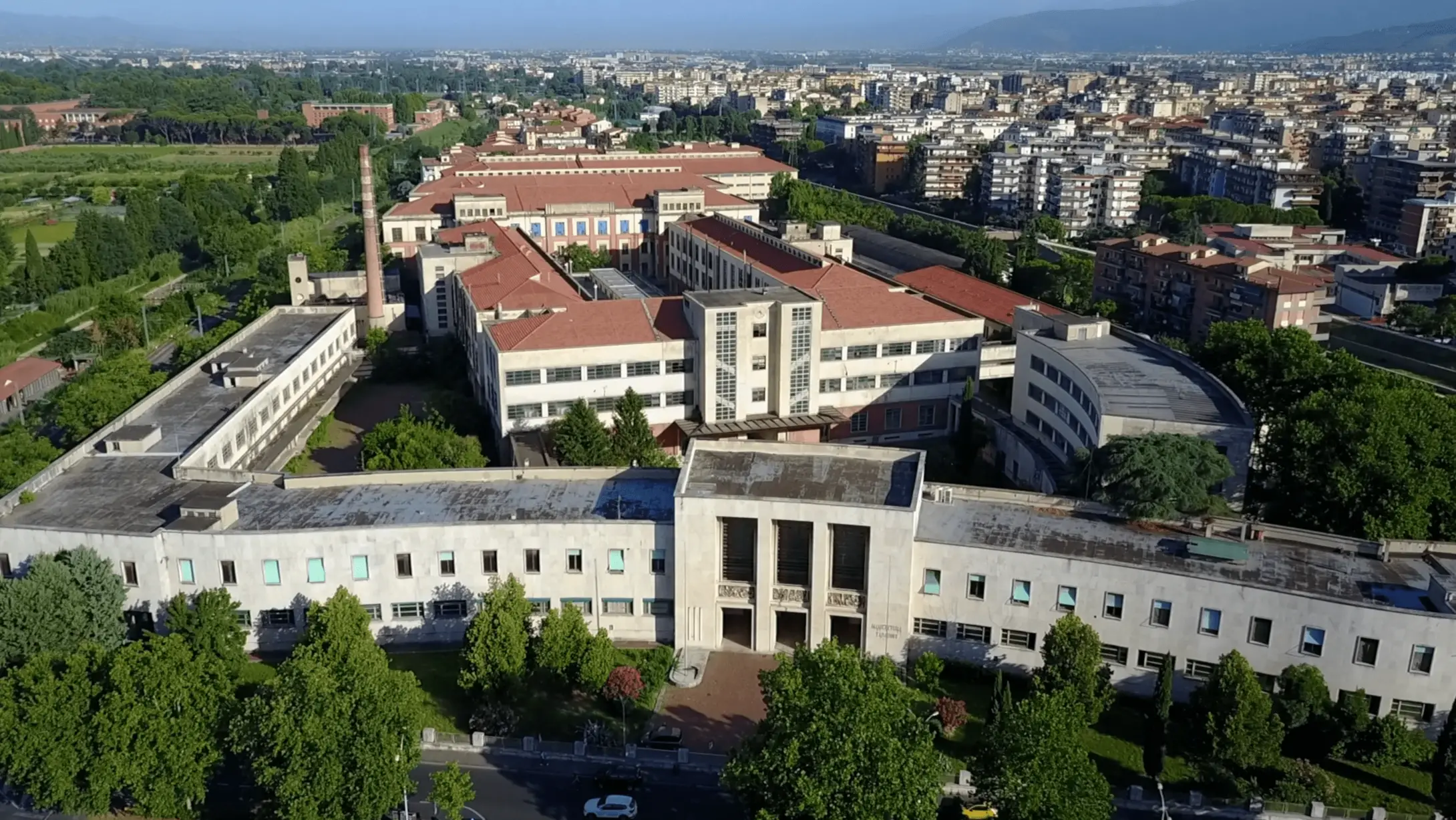
The Manifattura Tabacchi, one of the most significant examples of Italian Rationalist architecture, was abandoned after many years spent producing cigars. Following an extensive regeneration project, it is now one of the most interesting places in Florence, featuring cultural venues, residential accommodation, a hotel and retail spaces.
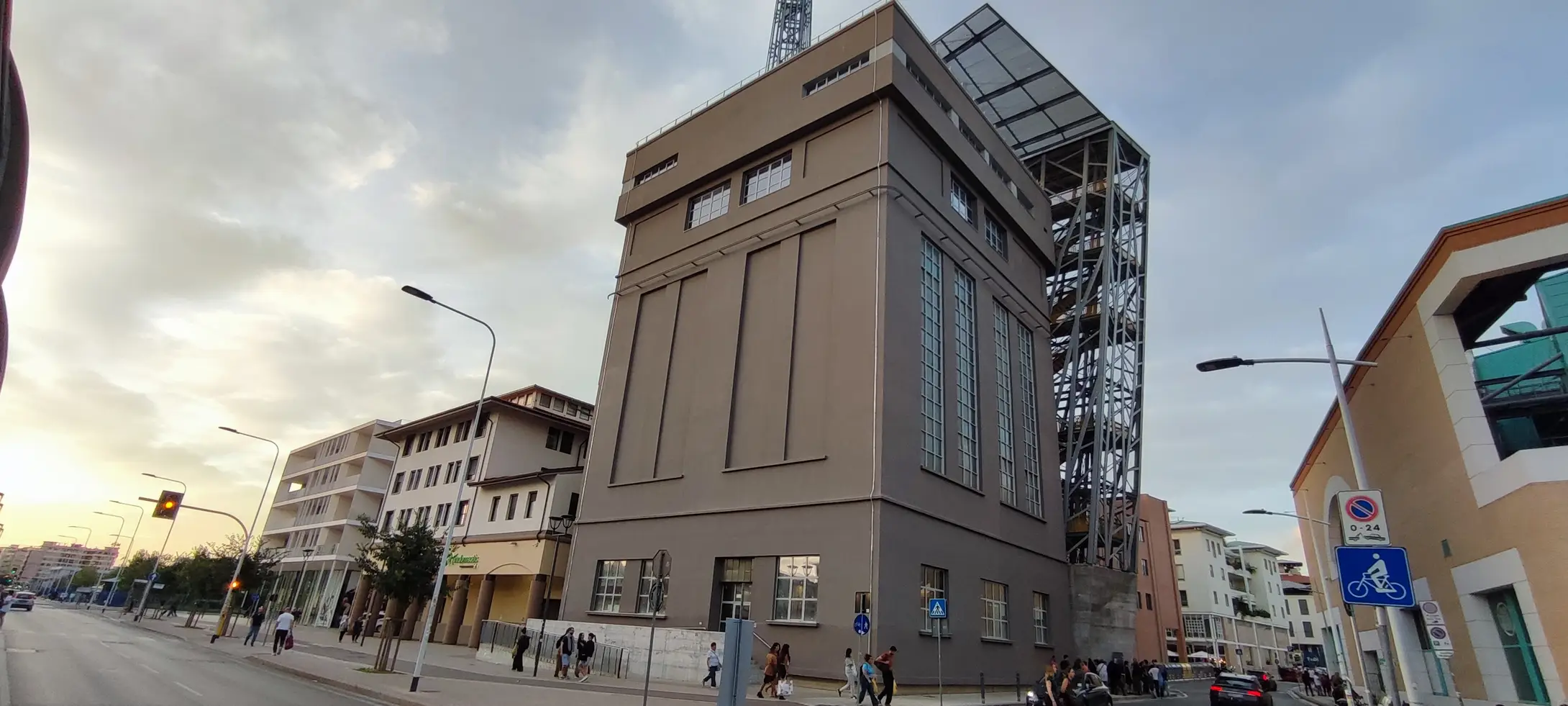
The power station tower was the energy hub of the now-disused FIAT site in Novoli. Standing 50 metres tall, it has been restored and is set to become a venue for cultural events. Inside, it boasts the beauty of a raw yet vast and captivating space, with a terrace at the top offering a 360-degree view.
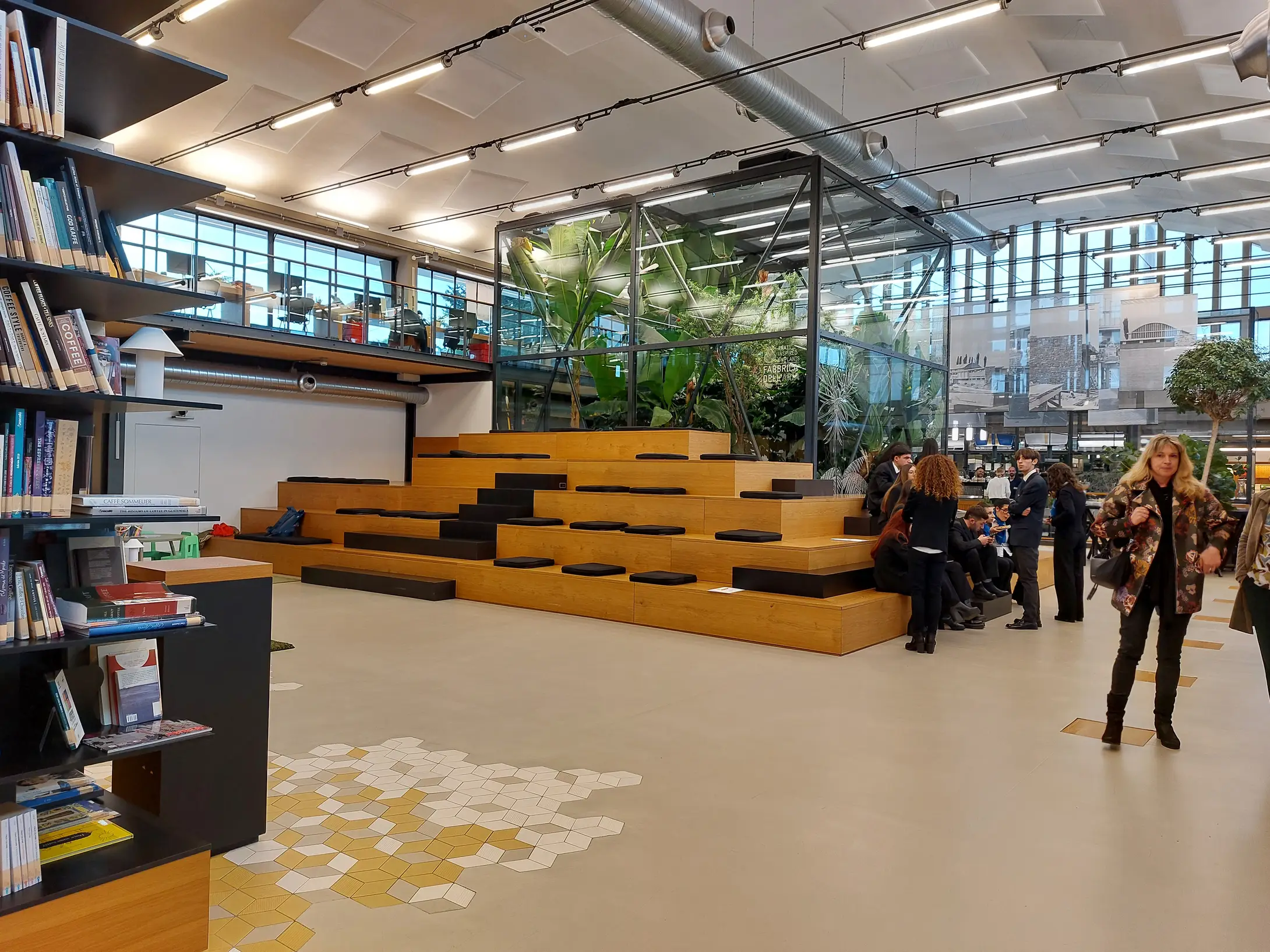
Leaving the city on Via Bolognese, on a stretch of road within the municipality of Fiesole, lies the former La Marzocco factory, which manufactured the espresso machines found in so many Italian cafés. Operating as a factory until 2009, it is now the ‘Accademia del Caffè Espresso’, a multifunctional space open to visitors that offers a 360° insight into the world of coffee.
Still to the north of the city, in Sesto Fiorentino, one cannot fail to mention Ginori porcelain.
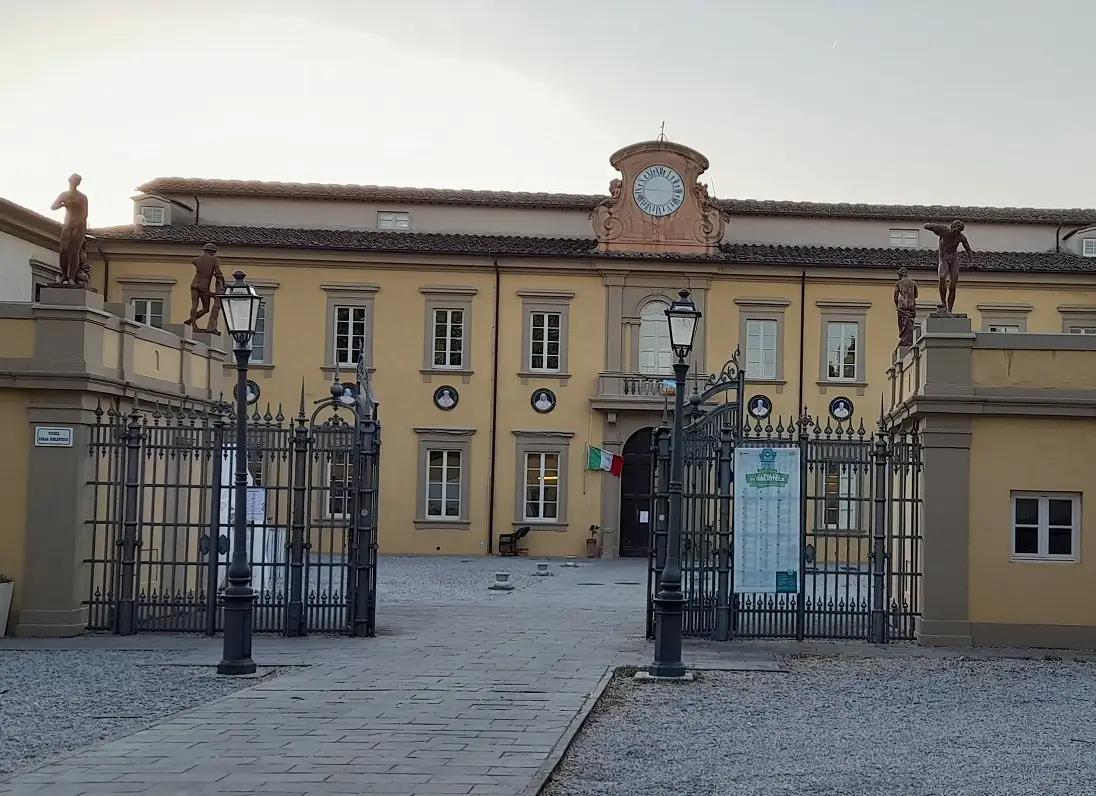
The Doccia factory is where production began as early as 1737. Following the relocation of the factory to the modern industrial estate, the entire factory complex – being a vast area with many original features – has taken on a new role as Villa Ginori, now converted into a public library (the Biblioteca Ragionieri), where exhibitions featuring original pieces by Richard Ginori are frequently held.
Comune di Firenze
Les lieux
Étapes
Manifattura Tabacchi
Manifattura Tabacchi is an ex-industrial area of 100,000 square metreswhich is located in the immediate vicinity of the historic centre of Florence: the complex houses 16 buildings, elegantly arranged to create a variety of squares, streets and alleyways. Constructed in the1930sby Pier Luigi Nervi, the Manifattura representsone of the most significant expressions of Italianrationalist architecture. Up until its closure in 2001, the site produced cigars and cigarettes.
The redevelopment project is based upon the restoration and conservation of the site, enhancing its unique character and historical importance. With an innovative process of urban regeneration, Manifattura Tabacchi, will actas a magnet for contemporary art, fashion, education andnew trends in craftsmanship.
Nowadays the premises house events, resident artists, crafts; the international fashion school Polimoda is there together with a lively café-restaurant. In summertime open air cinema.
Fiat former heating plant
The large tower of the heating plant dates back to 1938–1939 and was designed by engineer Vittorio Bonadè Bottino as part of the FIAT industrial complex located at Via di Novoli 2.
Separated from the main factory, the building housed boilers for the production of steam and electricity, fuelled by lignite stored in the adjacent coal bunker.
Dismantled in the 1980s–1990s, the power station is now one of the most significant examples of industrial archaeology in Florence and has been transformed into an urban cultural centre: inside, authentic historical traces remain, such as the furnace room, while outside, ecological, aesthetic and social innovations have been added, including an Urban Centre, exhibition spaces, a panoramic terrace and areas for refreshments and socialising.
Accademia del Caffè Espresso
In Pian di San Bartolo (Fiesole), the building that was once the seat of “La Marzocco”, the prestigious factory that produces coffee machines, today houses the Academy of Caffè Espresso, a cultural center promoting this important aspect of Italian tradition.
Thanks to an ambitious restoration program aimed to give a new life to industrial areas, the former factory today houses laboratories, a thematic library, as well as social and exposition spaces. The interactive exhibitions alternating during the year all revolve around coffee: from the history of its production, to the lives of women and men who contributed to the diffusion of this worldly beloved beverage.
The Academy organizes courses, tastings and guided tours, in Italian and in English.
The building also features a beautiful “Air Factory” (designed by neurobiologist Stefano Mancusa), an air purification system that was made within the existing coffee plantation so that now it’s coffee plants that clean the Academy indoor air.
Ragionieri Library | Sesto Fiorentino
The Ernesto Ragionieri public library in Sesto Fiorentino has very old origins and an evocative history, in fact it was born in 1886 out of the donation of books by French doctor Claude Henry Amédée Chambion to the Biblioteca Circolante, a popular institution.
On this foundation the current library was constituted and since 2010 it has found a home in Villa Buondelmonti, the building where Marquis Carlo Ginori founded the historic Porcelain Manufacture of Doccia in 1737.
The villa perfectly served the functions of representation and museum of porcelain production; today the Library occupies it with its open shelves.
The Library features a children’s area, a multimedia area, Internet stations, magazines, as well as books. In the hall frescoed by Vincenzo Meucci is a conference room.
The Library is part of SDIAF (Sistema Documentario Integrato Area Fiorentina)