Pinocchio, Collodi and Florence
The adventures of Pinocchio, a mischievous and cheeky puppet, were published in instalments in the children’s magazine Giornale per i Bambini from its first issue on 7 July 1881.
The author of this ‘childish tale’, as he himself described it, was Carlo Lorenzini, a writer and journalist, who signed his work as Collodi, after the village in the Valdinievole where his mother Angiolina was from.
Places and people in the origins of the world’s most famous puppet
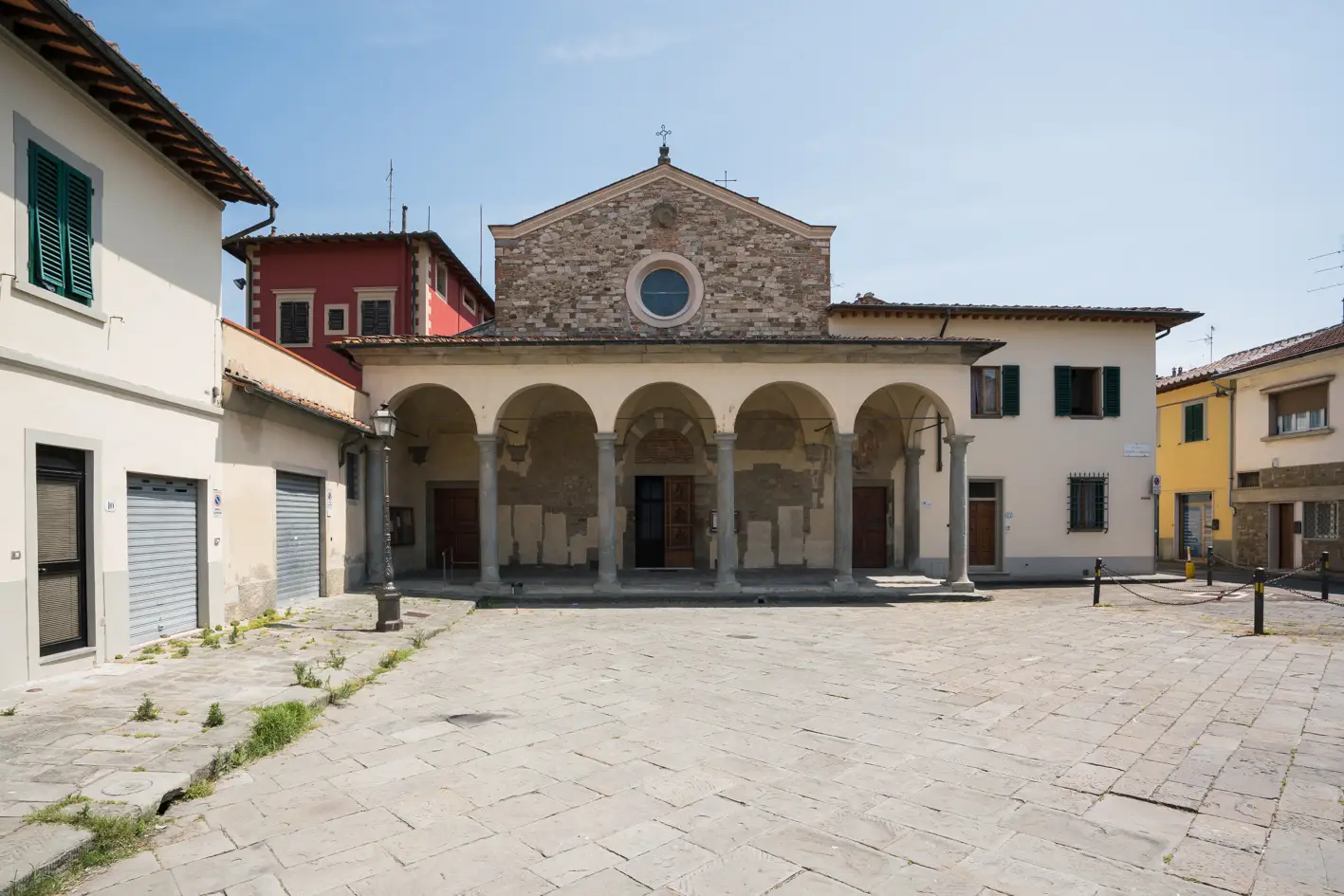
Pinocchio and Florence – or at least the area surrounding the city – are, however, very closely linked. The inspirations, places and characters of the novel can be traced back to a ‘suggestion of the landscape’, which meant that the first readers of the puppet’s adventures – collected in a single volume that would go on to become a global literary success – recognised Florence, Castello, Peretola and Sesto Fiorentino behind the fictional place names.
Collodi and Florence
Carlo Lorenzini was a Florentine, born in 1826 – exactly two hundred years ago – in Via Taddea, near the San Lorenzo Market. On the façade of number 21 there is a plaque commemorating the birth of Carlo Lorenzini, ‘known as Collodi, father of Pinocchio’.
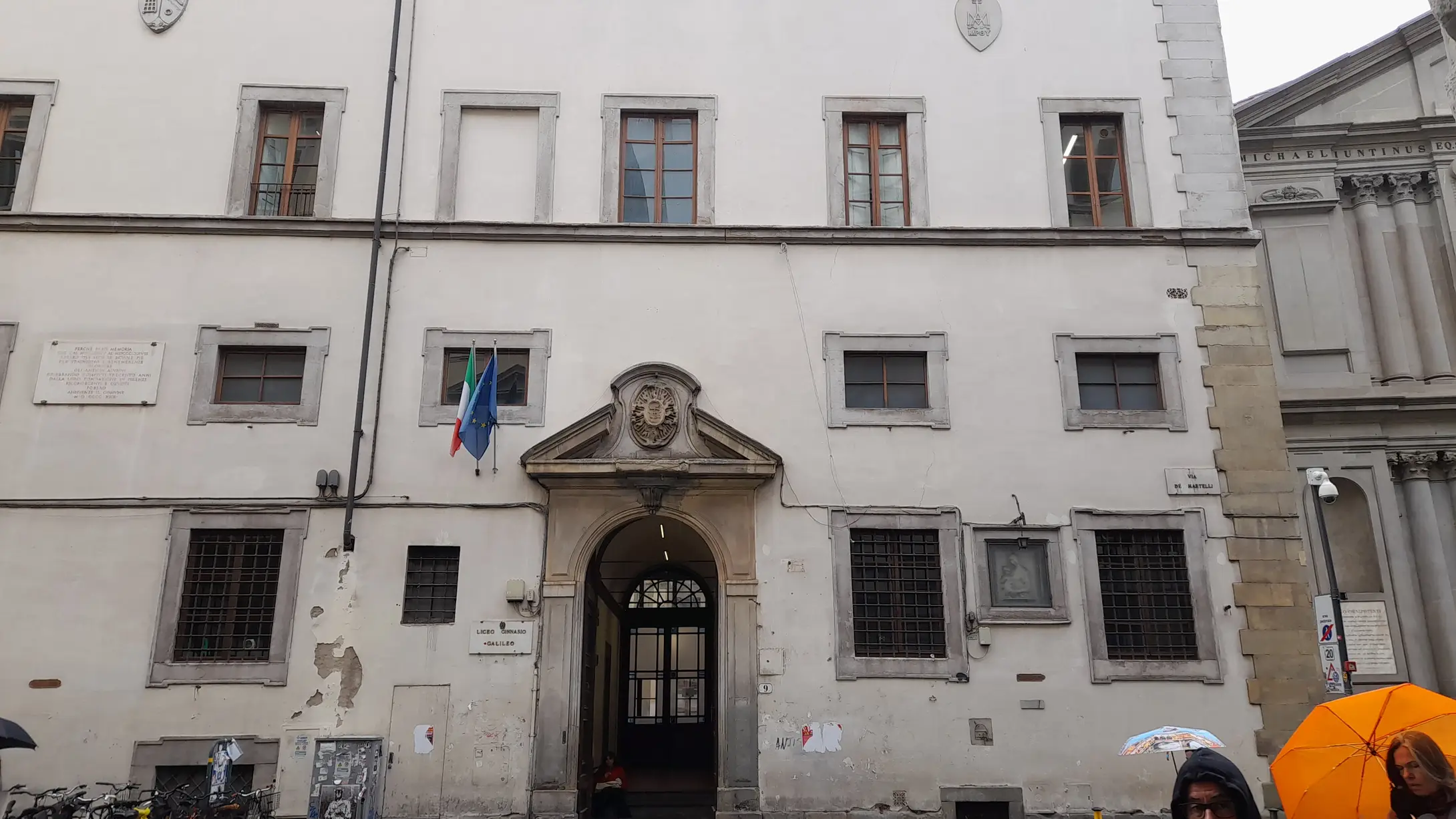
His parents, both of humble origins, found themselves working for the family of Marquis Leopoldo Carlo Ginori, whose family played an important role in the young Carlo’s life; he also received his education at the Liceo Classico Galileo, in Via Martelli, where another plaque commemorates him.
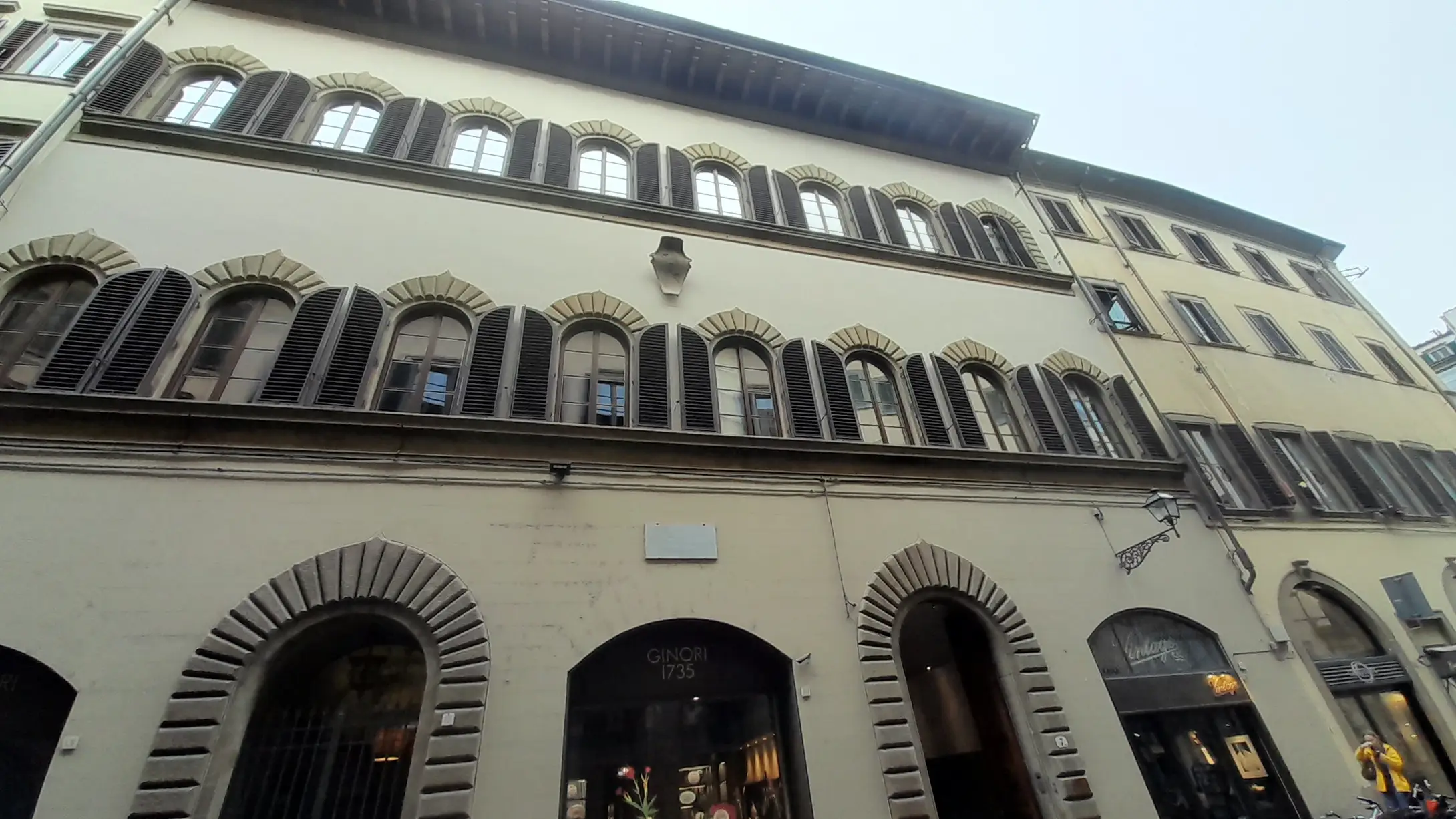
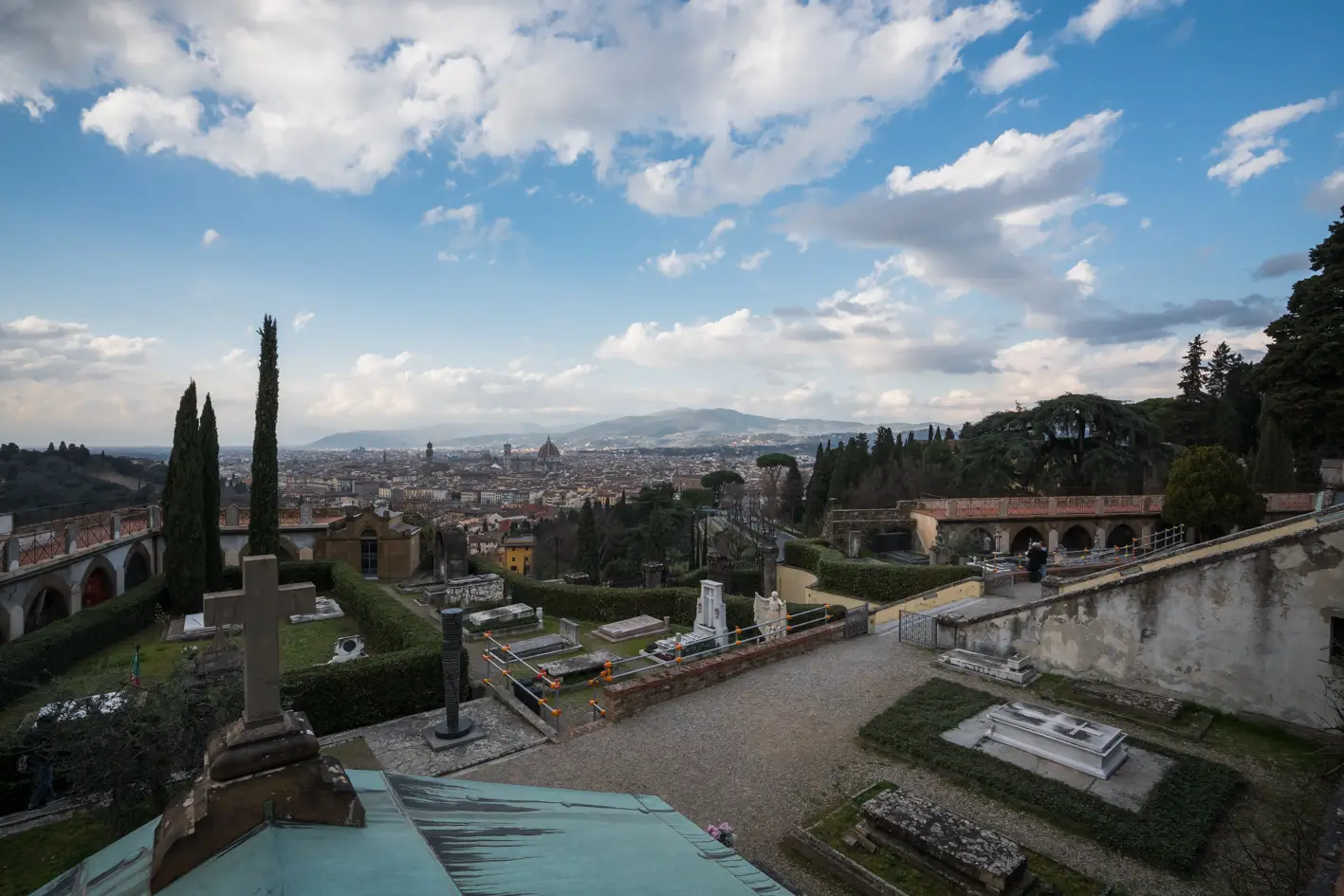
Palazzo Ginori in Via Rondinelli is another site associated with Collodi, where the writer lived and died; his grave, however, is in the Cimitero delle Porte Sante, at the foot of San Miniato al Monte and overlooking the city..
But during his lifetime, Collodi also spent a great deal of time in Castello, the hillside area between Florence and Sesto Fiorentino, where the Medici family had their villas and where his brother Paolo owned Villa Il Bel Riposo, a peaceful holiday retreat nestled within a landscape of great beauty.
Paolo Lorenzini was, for many years, from 1854 to 1891, the director of the Manifattura di Doccia, situated on the outskirts of Sesto Fiorentino.
The places
If all works of art are rooted in concrete reality, one might embark on a journey into the origins of Pinocchio and his whimsical adventures.
It is precisely the narrow streets of Castello that served as the backdrop to Pinocchio’s life, with the craftsmen’s workshops (those of Geppetto and Mastro Ciliegia) and the presence of a maid, little more than a child, blonde and blue-eyed, who lived in the villa Il Bel Riposo: the prototype of the fairy, who in the book is also called the beautiful little girl with blue hair.
And since we are situated between Florence and Sesto Fiorentino, the colourful, popular street festival held in Sesto Fiorentino at the end of August was probably the source of inspiration for the Land of Toys.
The "sea"
The most intriguing and unexpected aspect of the origins of the locations associated with Pinocchio around Florence is the one linked to Peretola. A suburb of the city, associated with the name of Florence’s airport, Peretola has historically been home to ancient families, such as the Vespuccis (yes, the family of Amerigo, the navigator).
We are in the so-called ‘plain’, which, as records from the nineteenth century confirm, was a marshy area characterised by the presence of water. Thus, the numerous references to the sea in the book of Pinocchio could well refer to this very “sea/lake” of Peretola, traversed by shallow-bottomed boats typical of marshes. A “sea”, an expanse of water, which could be clearly seen from the hill of Castello. A sea that has now been supplanted by extensive urbanisation and the airport
A worldwide hit
A fantastic journey, this one, taking us to the places where the inspiration was born for an author who went on to become world-famous and for a character, Pinocchio, the puppet whose nose grows when he tells lies, whose adventures, full of meaning and narrative depth, go far beyond a mere children’s fairy tale.
The Adventures of Pinocchio is a literary masterpiece, translated into at least 240 languages with hundreds of editions. It has been the subject of dozens of stage and film adaptations, including Walt Disney’s version, and has captivated many directors, from Comencini to Benigni, from Guillermo del Toro to Garrone.
We would like to thank the authors of the book *La guida ai luoghi di Pinocchio* (The Guide to the Places of Pinocchio), Maurizio Bruschi and Anna Soldani (Florence Art Edizioni), for their suggestions for this itinerary.
.
The places
Stages
via Taddea 21
Carlo Lorenzini, better known as Collodi, the author of The Adventures of Pinocchio, was born in 1826 at 21 Via Taddea.
A plaque commemorates him.
Liceo Galileo
The Liceo Classico Galileo is situated in the heart of Florence, where it plays a key role in the city’s cultural life: throughout its long history, which began in the second half of the 16th century, the school has welcomed distinguished figures from the worlds of literature, politics and science.
Palazzo Ginori - via dei Rondinelli
The building was erected on the site of several houses belonging to the Carnesecchi family, probably during the 16th century. Although its overall design reflects the architectural features of that period, the palace has undergone alterations dating from the second half of the 19th century; nevertheless, it retains its overall proportions and balance of form.
The ownership of the building is indicated by the coat of arms adorning the centre of the façade, bearing the Ginori family crest (azure, a band of gold charged with three six-pointed stars of the field). Carlo Lorenzini, author of Pinocchio and known as Collodi (commemorated by a plaque affixed to the front of the building in 1981), lived in the palace during the period when he was a guest of his brother Paolo, who resided here as manager of the Ginori porcelain factory. A Ginori shop can still be found on the ground floor.
Cemetery of Porte Sante
On the beautiful hill of San Miniato al Monte, at the foot of the Romanesque church is one of the most important monumental cemeteries in Florence, the Cimitero delle Porte sante.
You can see the tombs of many important Florentine personalities, including some well known writers (such as Carlo Collodi, the creator of "Pinocchio", painters like Ottone Rosai and Pietro Annigoni, the father of Italian cuisine, Pellegrino Artusi, fashion designer Enrico Coveri, and actor Paolo Poli are also buried here, along with director Franco Zeffirelli.
Many tombs have been designed or decorated by important artists (Galileo Chini, Libero Andreotti) to such an extent that over the years this cemetery has become a veritable open-air museum. Among the architecture and decorations, in fact, there is an authentic repertoire of styles: from the Byzantine revival style to the neo-Gothic/Renaissance Florentine tradition, from Neoclassicism to Art Nouveau. The most scenic part of the cemetery is below the façade of San Miniato, while the oldest section (with the 19th-century tombs) is at the back of the Basilica.
Medici Villa of Petraia
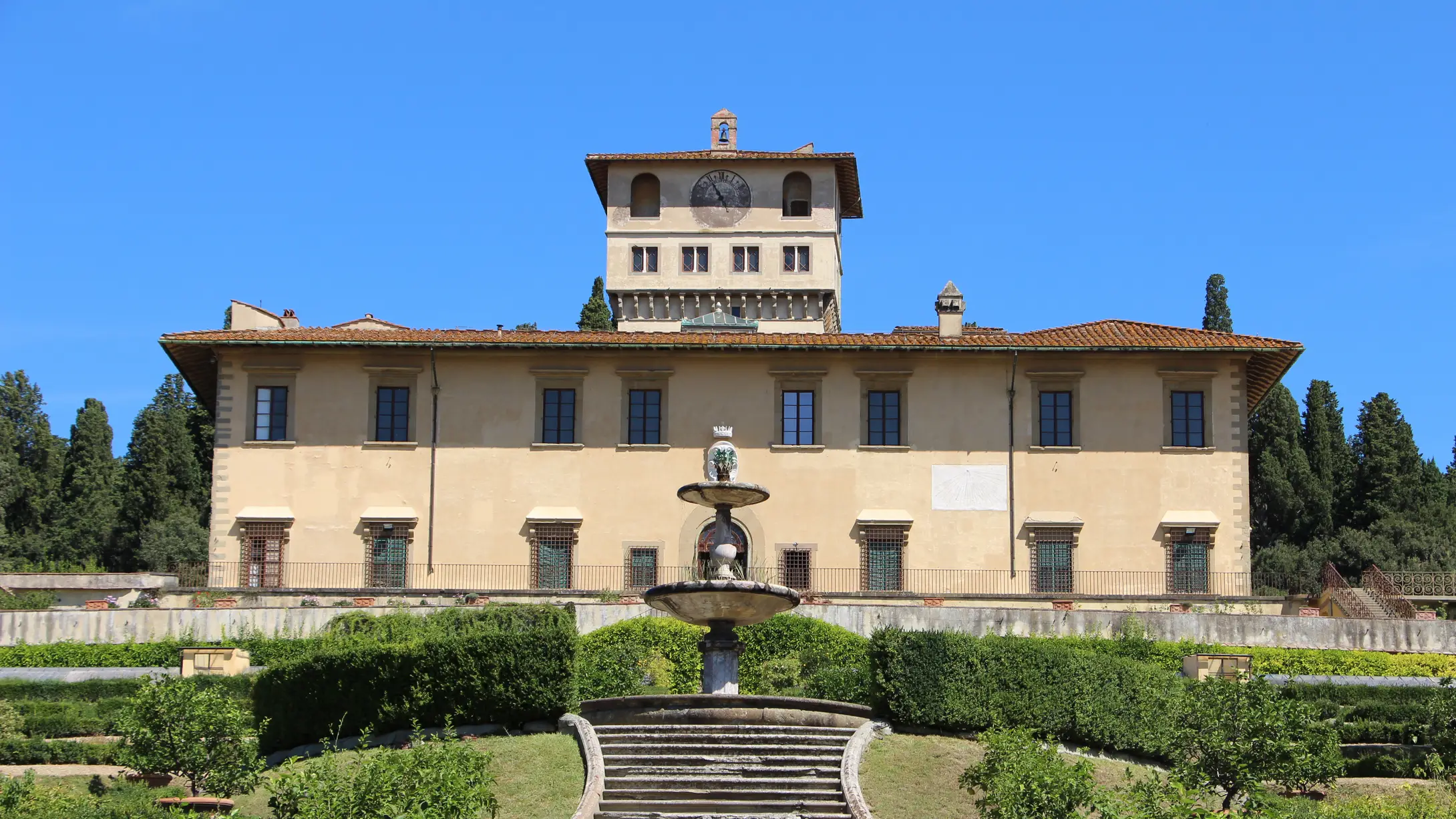
Villa della Petraia is situated a few kilometres from the city centre; the ancient fortified building, of which the large tower still remains today, was enlarged towards the end of the 16th century and turned into a grand-ducal residence. A terraced garden was laid out on the surrounding land.
The courtyard is decorated with late 16th- and early 17th-century frescoes, and was covered over in the 19th century. King Vittorio Emanuele II lived here when Florence was the capital of Italy, and the current furnishings date largely to that period.
Garden of the Medici Villa of Castello
The Villa Medici at Castello is one of the oldest suburban residences of the Medici family, who came into possession of it in 1477. In 1538 Cosimo I commissioned the sculptor and architect Niccolò Tribolo to lay out a large new garden designed to celebrate the power of the prince through the symbology of its statues, fountains and grottos. Only the garden, which has a wealth of citrus trees and rare plants and is dotted with ancient and Renaissance sculptures, is currently open to the public. There is also a fascinating ‘Grotto of Animals’, once enlivened with dazzling water tricks.

Ragionieri Library | Sesto Fiorentino
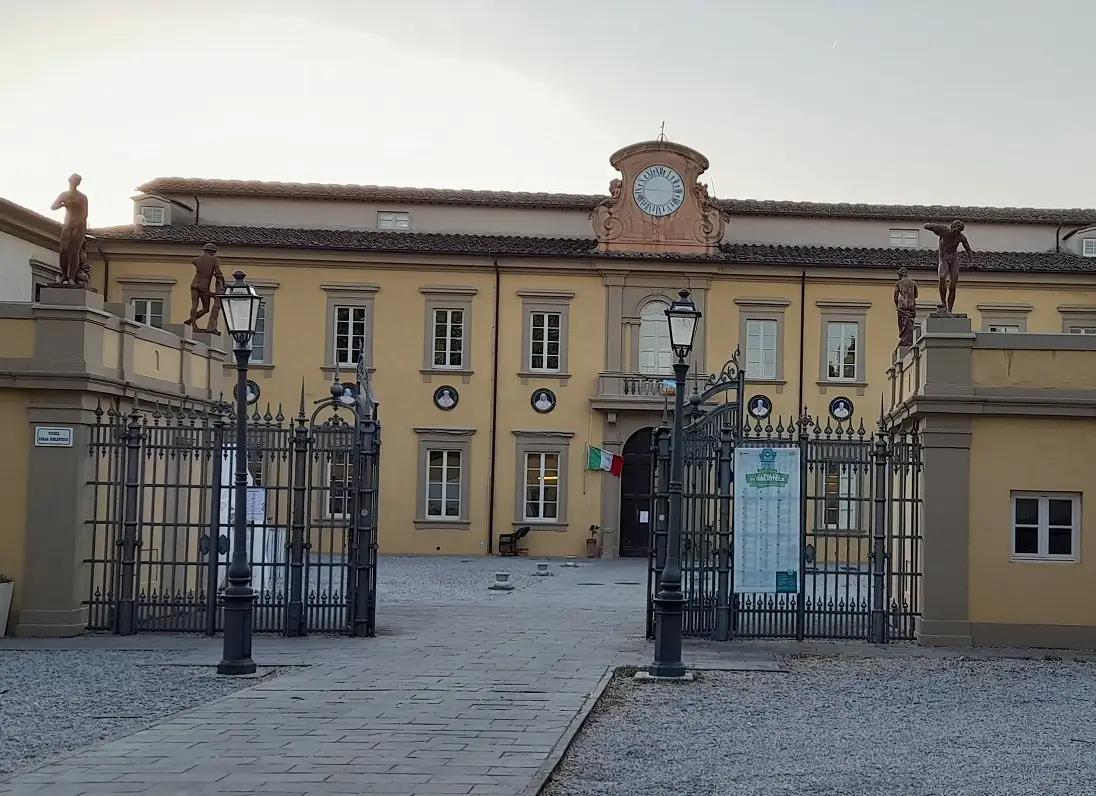
The Ernesto Ragionieri public library in Sesto Fiorentino has very old origins and an evocative history, in fact it was born in 1886 out of the donation of books by French doctor Claude Henry Amédée Chambion to the Biblioteca Circolante, a popular institution.
On this foundation the current library was constituted and since 2010 it has found a home in Villa Buondelmonti, the building where Marquis Carlo Ginori founded the historic Porcelain Manufacture of Doccia in 1737.
The villa perfectly served the functions of representation and museum of porcelain production; today the Library occupies it with its open shelves.
The Library features a children’s area, a multimedia area, Internet stations, magazines, as well as books. In the hall frescoed by Vincenzo Meucci is a conference room.
The Library is part of SDIAF (Sistema Documentario Integrato Area Fiorentina)
Piazza Garibaldi a Peretola