De l'usine au lieu touristique : 4 expériences à découvrir autour de Florence
Au fil du temps, les besoins évoluent, les modes de production se modernisent, les goûts changent. Ainsi, bien souvent, les sites de production industrielle, une fois désaffectés, tombent dans l'oubli, enterrant d'un seul coup l'histoire, la mémoire et le savoir-faire.
C'est pourquoi partir à la découverte d'exemples de reconversion de sites industriels, remis en état et destinés à de nouvelles utilisations, y compris touristiques, peut constituer une façon originale de visiter une région. Ce petit itinéraire nous mène de Florence à Sesto Fiorentino, puis sur la via Bolognese.
À Florence, certains lieux connaissent une nouvelle vie : la Manifattura Tabacchi et la tour de l'ancienne centrale thermique de Fiat. Ils se trouvent dans le même quartier, entre le parc des Cascine et Novoli.
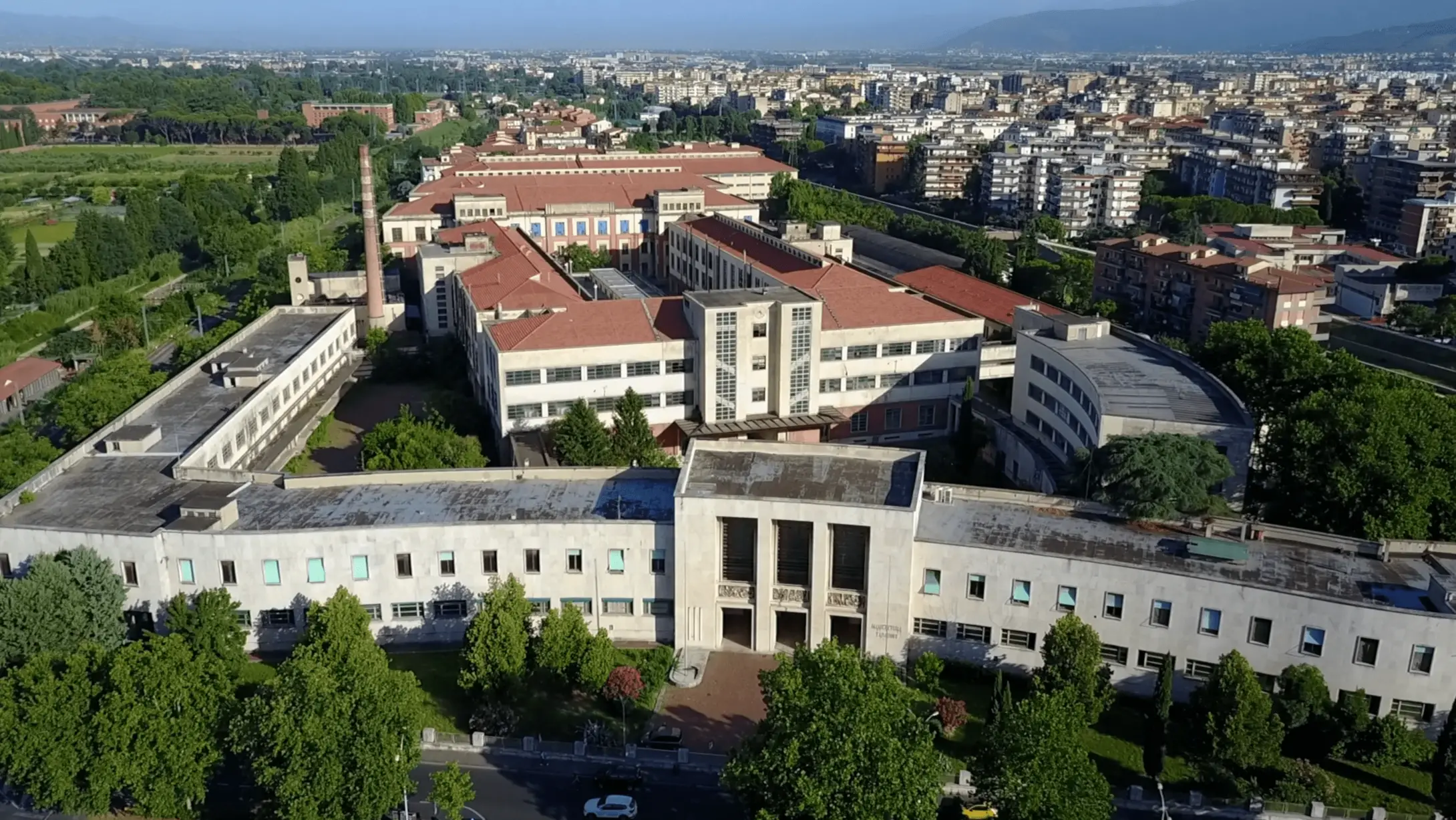
La Manifattura Tabacchi, l’une des expressions les plus marquantes du style rationaliste italien, a été abandonnée après des années et des années de production de cigares. Faisant l’objet d’un vaste projet de réaménagement, elle est aujourd’hui l’un des lieux les plus intéressants de Florence, avec des espaces culturels, des logements, un hôtel et des espaces commerciaux.
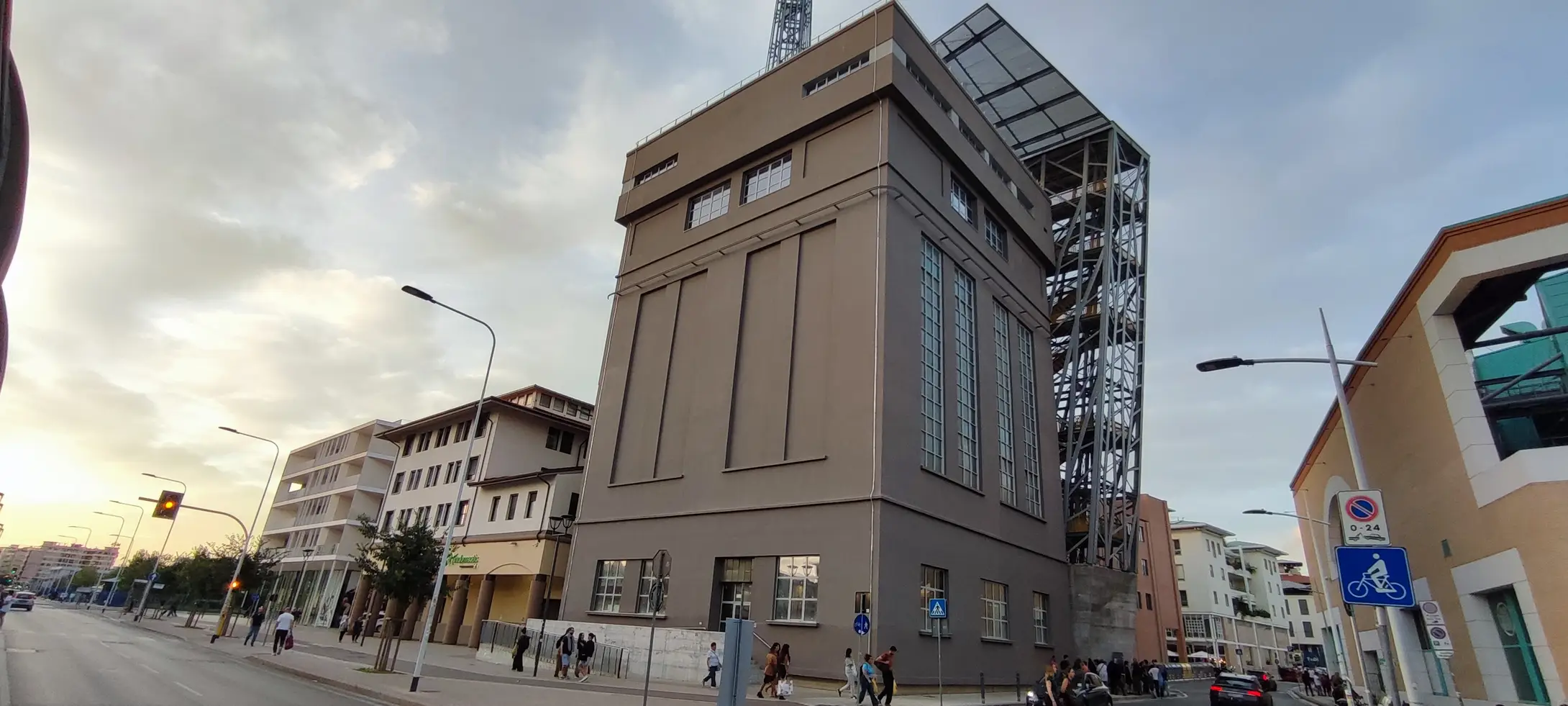
La tour de la centrale était le cœur énergétique du site FIAT de Novoli, aujourd’hui désaffecté. Haute de 50 mètres, elle a été restaurée et est destinée à accueillir des événements culturels. À l’intérieur, on découvre la beauté d’un espace brut, mais immense et fascinant, avec une terrasse au sommet offrant une vue à 360 degrés.i.
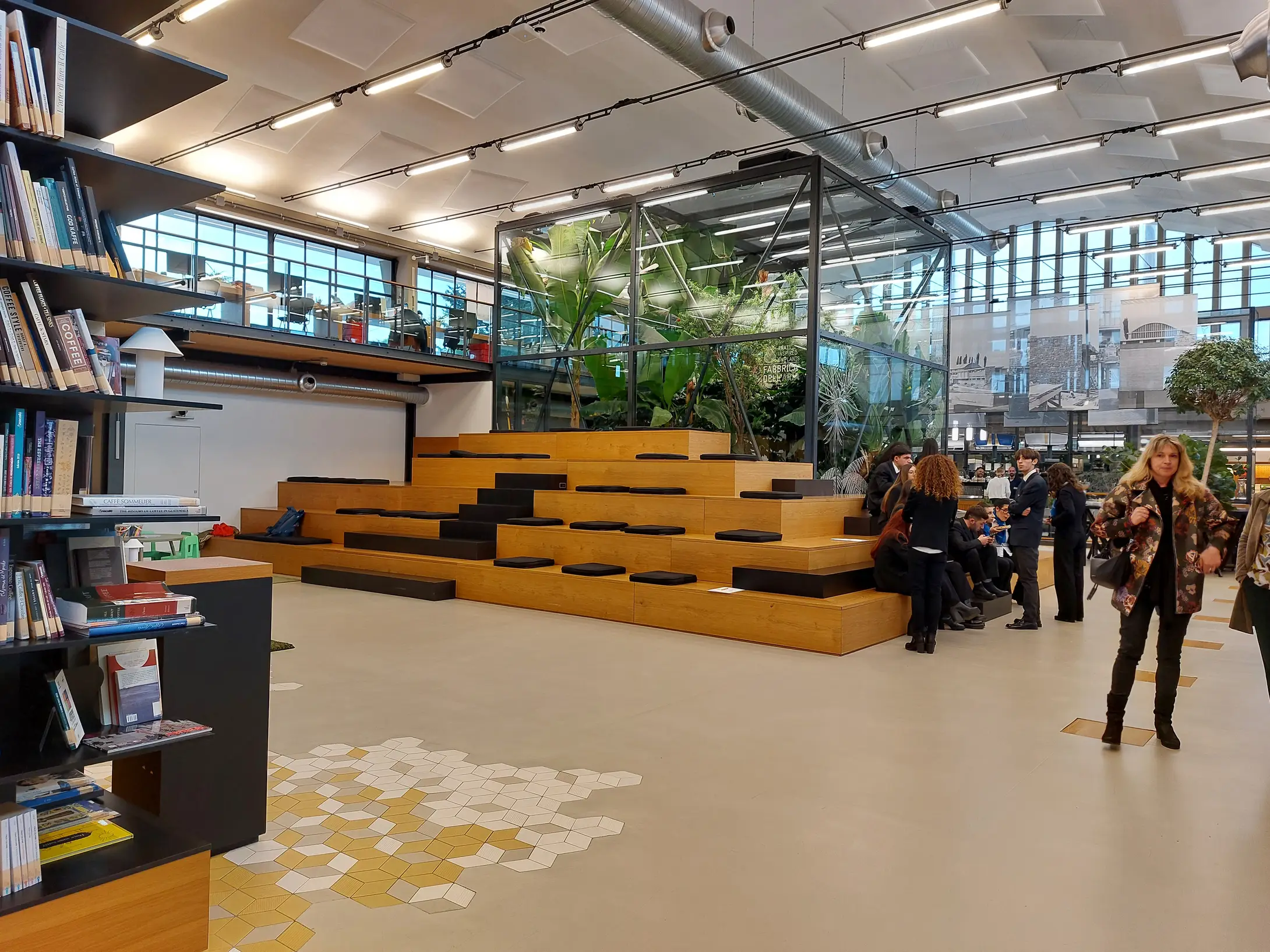
En quittant la ville, sur la via Bolognese, dans un endroit qui appartient à la commune de Fiesole, se trouve l'ancienne usine La Marzocco, fabricant de machines à expresso que l'on retrouve dans de nombreux cafés italiens. En activité jusqu'en 2009 en tant qu'usine, elle abrite désormais l'Accademia del Caffè Espresso, un espace multifonctionnel ouvert au public qui offre un aperçu complet de l'univers du café.
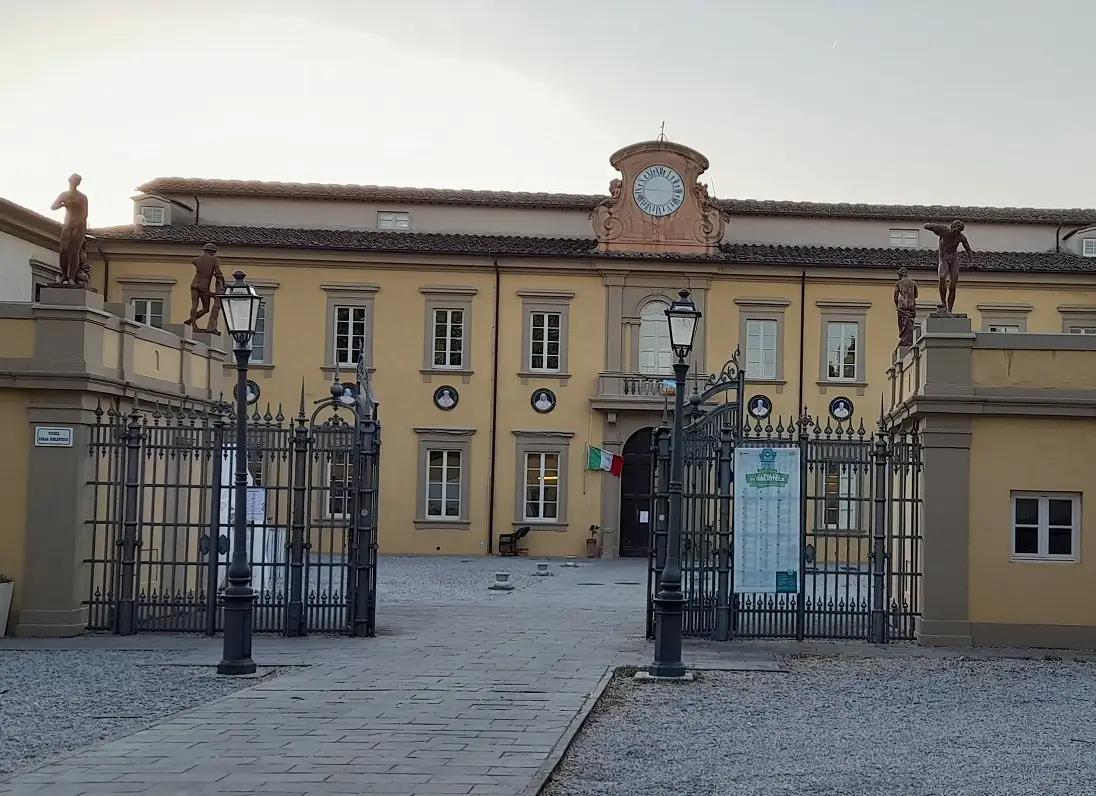
Toujours au nord de la ville, à Sesto Fiorentino, on ne peut manquer de mentionner Ginori. La Manifattura di Doccia est le lieu où la production a débuté dès 1737. L'usine ayant été transférée dans la zone industrielle moderne, l'ensemble du complexe de la manufacture, vaste et comportant de nombreux éléments d'origine, a trouvé une nouvelle vocation sous le nom de villa Ginori, désormais transformée en bibliothèque municipale (la Biblioteca Ragionieri) où sont souvent organisées des expositions présentant des pièces originales de Richard Ginori..
Comune di Firenze
Les lieux
Étapes
Manifattura Tabacchi
Il s’agissait auparavant d’une usine de fabrication de cigarettes et de cigares (Manifattura Tabacchi), réalisée dans les années 1930 par l’ingénieur Pier Luigi Nervi sur le grand emplacement industriel (100 000 mètres carrés) situé à proximité du centre historique de Florence. Son architecture est l’un des symboles du Rationalisme italien en ville. Fermée en 2001, elle abrite aujourd’hui 16 bâtiments, élégamment disposés autour de petites places, rues et passages.
Le projet de requalification prévoyait la récupération et la conservation du site, en valorisant son caractère unique et son importance historique. Grâce à un projet innovateur de restructuration urbaine, la Manifattura Tabacchi est devenue un important centre d’activités diverses, allant de l’art contemporain, à la mode et à la formation, en passant par les nouvelles tendances de l’artisanat.
Fiat former heating plant
The large tower of the heating plant dates back to 1938–1939 and was designed by engineer Vittorio Bonadè Bottino as part of the FIAT industrial complex located at Via di Novoli 2.
Separated from the main factory, the building housed boilers for the production of steam and electricity, fuelled by lignite stored in the adjacent coal bunker.
Dismantled in the 1980s–1990s, the power station is now one of the most significant examples of industrial archaeology in Florence and has been transformed into an urban cultural centre: inside, authentic historical traces remain, such as the furnace room, while outside, ecological, aesthetic and social innovations have been added, including an Urban Centre, exhibition spaces, a panoramic terrace and areas for refreshments and socialising.
Accademia del Caffè Espresso
In Pian di San Bartolo (Fiesole), the building that was once the seat of “La Marzocco”, the prestigious factory that produces coffee machines, today houses the Academy of Caffè Espresso, a cultural center promoting this important aspect of Italian tradition.
Thanks to an ambitious restoration program aimed to give a new life to industrial areas, the former factory today houses laboratories, a thematic library, as well as social and exposition spaces. The interactive exhibitions alternating during the year all revolve around coffee: from the history of its production, to the lives of women and men who contributed to the diffusion of this worldly beloved beverage.
The Academy organizes courses, tastings and guided tours, in Italian and in English.
The building also features a beautiful “Air Factory” (designed by neurobiologist Stefano Mancusa), an air purification system that was made within the existing coffee plantation so that now it’s coffee plants that clean the Academy indoor air.
Ragionieri Library | Sesto Fiorentino
The Ernesto Ragionieri public library in Sesto Fiorentino has very old origins and an evocative history, in fact it was born in 1886 out of the donation of books by French doctor Claude Henry Amédée Chambion to the Biblioteca Circolante, a popular institution.
On this foundation the current library was constituted and since 2010 it has found a home in Villa Buondelmonti, the building where Marquis Carlo Ginori founded the historic Porcelain Manufacture of Doccia in 1737.
The villa perfectly served the functions of representation and museum of porcelain production; today the Library occupies it with its open shelves.
The Library features a children’s area, a multimedia area, Internet stations, magazines, as well as books. In the hall frescoed by Vincenzo Meucci is a conference room.
The Library is part of SDIAF (Sistema Documentario Integrato Area Fiorentina)